Yes, wearing gloves is highly recommended. While a bee suit covers the majority of your body, your hands are the primary point of contact with the hive and require specific protection. This is widely considered essential for beginners to ensure safety and build confidence while learning to handle bees.
While the veil and helmet are the most critical safety components for protecting sensitive areas, gloves complete the protective system. They provide a necessary barrier that allows you to focus on hive management rather than the immediate fear of stings.
The Role of Gloves in Beekeeping Safety
Completing the Protective System
A bee suit is not a singular item; it is part of a broader system of gear.
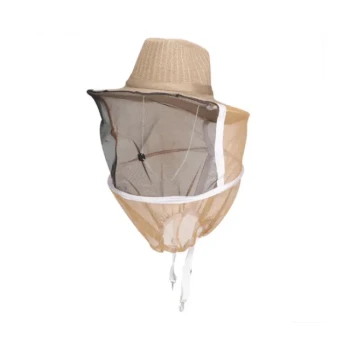
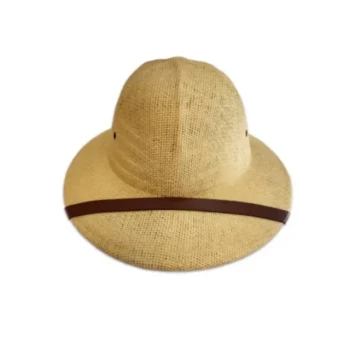
The helmet and veil are the most important components because stings to the eyes, nose, and lips are dangerous and painful.
However, leaving your hands exposed undermines the protection provided by the suit, jacket, or coveralls.
Why Hands are Vulnerable
Your hands are constantly moving frames and interacting with the colony.
Because they are the closest part of your body to the bees, they are statistically the most likely area to be stung during inspections.
Gloves act as the final seal in your armor, preventing bees from crawling up sleeves or stinging high-contact areas.
The Importance for Beginners
For those new to beekeeping, the primary reference emphasizes that gloves are especially important.
New beekeepers often lack the calm, steady movements of experts.
Wearing gloves mitigates the consequences of nervous mistakes, allowing you to learn without the immediate negative feedback of a sting.
Understanding the Trade-offs
Protection vs. Dexterity
While gloves offer protection, they can reduce tactile sensitivity.
Thick leather gloves may make it difficult to feel the frames or handle delicate queen cages.
This lack of dexterity can sometimes lead to clumsy movements, which may accidentally crush bees and agitate the hive.
Heat and Comfort
Beekeeping is often performed in warm weather, and full gear can become hot.
Adding thick gloves to a full-body suit increases your overall body temperature.
It is vital to balance protection with the risk of overheating, especially during long inspections.
Optimizing Your Protective Layering
What to Wear Underneath
The protection offered by your suit and gloves is enhanced by what you wear underneath.
It is recommended to wear loose-fitting, light clothes to maintain airflow and avoid overheating.
The Second Line of Defense
Tight clothing can allow stings to penetrate through to the skin.
Wearing long sleeves and pants provides an extra layer of material that a stinger must pass through.
Loose jeans are often cited as an excellent secondary safeguard because the denim is thick and creates a gap between the fabric and your skin.
Making the Right Choice for Your Experience Level
Regardless of the gear you choose, the goal is to work the hive safely and effectively.
- If your primary focus is learning the basics: Wear gloves to maximize confidence and protection while you master hive mechanics.
- If your primary focus is managing heat: Ensure you wear light, loose-fitting clothing under your suit to compensate for the warmth of the extra gear.
- If your primary focus is maximum safety: Utilize a full-body suit, a secure veil, and gloves to cover every inch of skin.
Prioritize your safety first; you can always adjust your gear as your experience and comfort level grow.
Summary Table:
| Aspect | Importance | Key Benefit |
|---|---|---|
| Hand Protection | High | Prevents stings during high-contact tasks like moving frames. |
| Beginner Safety | Critical | Builds confidence by mitigating the impact of nervous movements. |
| System Seal | High | Prevents bees from crawling up sleeves and ensures full coverage. |
| Dexterity | Moderate | Thicker gloves offer more protection but may reduce tactile sensitivity. |
| Secondary Layer | Recommended | Wearing loose clothing underneath adds an extra sting barrier. |
Elevate Your Beekeeping Operation with HONESTBEE
At HONESTBEE, we specialize in empowering commercial apiaries and distributors with premium-grade beekeeping solutions. Whether you need professional-grade protective gear, automated hive-making and honey-filling machinery, or a steady supply of industry consumables, we provide the full spectrum of equipment to scale your business.
Why partner with HONESTBEE?
- Wholesale Excellence: Comprehensive inventory tailored for large-scale operations and retailers.
- End-to-End Solutions: From specialized hardware to honey-themed cultural merchandise.
- Reliable Protection: Our gear ensures your team stays safe and productive in any environment.
Ready to enhance your apiary's efficiency and safety standards? Contact us today to discuss our wholesale offerings and how we can support your growth!
Related Products
- Beekeeping Gloves Goatskin Leather with Long Cotton Sleeve for Beekeepers
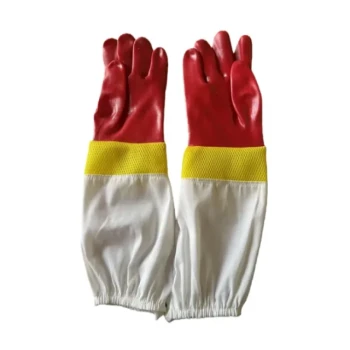
- Heavy Duty Red Rubber Beekeeping Gloves with Vented Mesh Cotton Sleeves
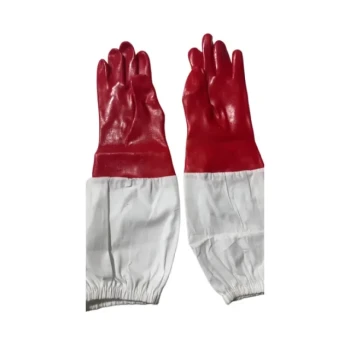
- Heavy Duty Red Rubber Beekeeping Gloves with Extended Pure Cotton Sleeves for Beekeepers
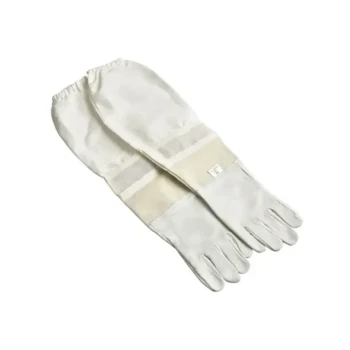
- Goatskin Leather Beekeeper Gloves with Vent Long Sleeve for Beekeeping Honey Bee Sting Proof Protection
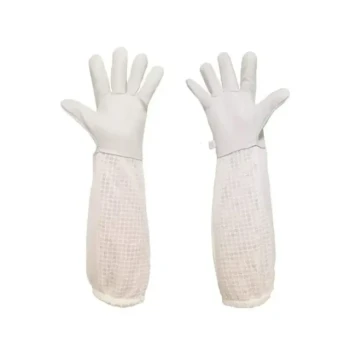
- Premium Ventilated Goatskin Beekeeping Gloves with Full 3-Layer Mesh Sleeve
People Also Ask
- What are the characteristics of the best gloves for beekeeping? Choose Protection & Dexterity
- What are the primary purposes of using beekeeping gloves? Protect Your Hands and Ensure Apiary Hygiene
- What types of gloves are available for beekeeping? Choose the Right Protection for Your Hive
- Why is it important for beekeepers to wear gloves? Essential Safety and Confidence for Hive Management
- Why do some experienced beekeepers opt not to wear gloves? Discover the Benefits of Tactile Precision