For commercial beehive construction, use light, well-seasoned timber with standard 22 mm wall thickness and a durable, light-colored exterior coating. The wood should be free from insect holes, dead knots, splits, cracks, shakes, and strong natural odors that could repel or harm bees. Exposed exterior surfaces should receive at least two coats of high-quality outdoor oil-based or latex paint, preferably white or a light pastel color, while all internal hive surfaces must remain natural and untreated.
The commercial standard is a sound balance of material quality, thermal performance, weather resistance, and bee safety: use stable, readily available timber, construct brood boxes and supers with approximately 22 mm walls, and protect only the exterior with bee-safe, weather-resistant finishes.
Selecting Timber for Commercial Hive Production
Use Light, Well-Seasoned Wood
Hive bodies, supers, covers, and related wooden components should be made from lightweight, well-seasoned timber. Properly seasoned wood reduces the risk of warping, splitting, and dimensional movement after assembly.
The timber must be free from insect holes, dead knots, shakes, splits, cracks, and strong natural odors. Defects can weaken joints, shorten service life, and create openings that allow moisture or pests to enter the hive.
Prioritize Commercially Available Species
Common commercial choices include pine and cypress, which provide a practical balance of cost, workability, structural stability, and outdoor performance. Teak, kail, toon, and other suitable seasoned woods may also be used where regional supply and cost make them commercially viable.
For distributors and wholesalers, standard lumberyard species are usually more appropriate than expensive exotic hardwoods. Readily available timber supports consistent production, predictable pricing, replacement-part availability, and faster order fulfillment.
Avoid Repellent or Contaminating Odors
Wood should not emit strong natural or chemical odors that may disturb colony behavior. This requirement is particularly important when selecting unfamiliar species, adhesives, sealants, stains, or factory-applied treatments.
A low-cost material is not commercially suitable if its odor, treatment, or emissions create a bee-safety concern or make the equipment unacceptable to professional beekeepers.
Meeting the Required Hive Dimensions
Specify Approximately 22 mm Wall Thickness
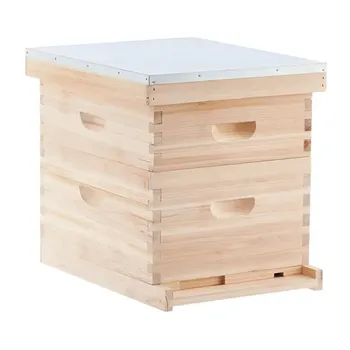
Brood chambers and honey supers should use 22 mm thick wooden planks as the primary commercial specification. This thickness provides the structural integrity needed for repeated handling and contributes to insulation against severe winter cold and summer heat.
Some specifications cite 20 mm walls, but a buyer seeking alignment with the stated commercial construction standard should specify 22 mm and confirm the finished thickness during quality inspection.
Maintain Consistent Dimensions
Consistent plank thickness is essential for interchangeable boxes, reliable frame spacing, stable stacking, and efficient packing and distribution. Excessive variation can cause misalignment, gaps, unstable joints, or difficulty fitting standardized components.
Manufacturers should control moisture content, machining accuracy, squareness, and joint quality across production batches. These details matter when equipment is sold as a compatible system rather than as isolated wooden boxes.
Build for Seasonal Outdoor Exposure
Hive components must withstand rain, summer heat, winter frost, and repeated inspection. Weather-resistant construction should include sound joints, durable outdoor plywood where appropriate, rust-resistant galvanized nails or fasteners, and moisture-resistant adhesive.
A waterproof top cover should rest securely on the super-chamber edges while remaining easy to lift during inspections. The cover must protect the colony without making routine handling unnecessarily disruptive.
Applying the Exterior Finish
Coat All Exposed Exterior Wood
The exterior walls of hive bodies and honey supers, bottom boards, hive stands, and outer covers should be protected with at least two coats of high-quality outdoor latex or oil-based paint.
Exterior polyurethane is another possible protective finish where it is suitable for the product specification and local operating conditions. The coating should be intended for outdoor exposure and applied according to the manufacturer’s preparation and curing requirements.
Choose White or Light Pastel Colors
White and light pastel colors are preferred because they reflect more solar radiation than dark finishes. This can reduce excessive heat absorption and help colonies maintain more stable internal temperature and humidity conditions during hot weather.
Color selection also has commercial value: a consistent, recognizable finish can support product presentation while meeting the practical needs of apiary operators.
Protect the Wood Before Distribution
The finish must be fully cured before the hive is packaged, shipped, or placed near bees. Uncured paint, polyurethane, adhesive, or other coatings may release odors or fumes that are unsuitable for colony use.
A distributor or wholesaler should confirm the coating system, number of coats, curing status, and exterior coverage as part of the product specification rather than treating painting as a cosmetic option.
Keeping Internal Surfaces Untreated
Do Not Paint Interior Hive Components
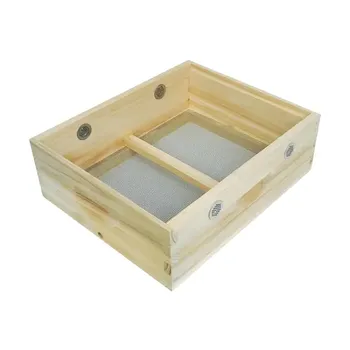
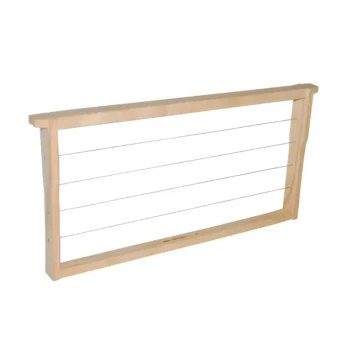
The interiors of brood boxes and honey supers, deep and shallow frames, crown boards, inner covers, and queen excluders should remain completely unpainted and untreated.
Internal surfaces should not be varnished or coated with synthetic finishes because chemical residues or odors may contaminate the hive environment and interfere with natural colony chemistry.
Separate Exterior Protection From Bee Safety
The basic rule is simple: protect exposed wood from weather, but leave bee-contact and internal surfaces natural. This distinction allows manufacturers to extend equipment life without introducing unnecessary coatings into the colony’s working environment.
Product documentation should clearly identify which surfaces are finished and which are intentionally untreated. This helps buyers verify that the equipment is suitable for immediate apiary use.
Understanding the Trade-offs
Balance Durability Against Cost
Teak and other hardwoods may offer durability or a premium appearance, but they can increase material costs, weight, machining requirements, and supply risk. Pine and cypress are generally more practical for high-volume commercial production.
The best timber is therefore not necessarily the most expensive species. It is a stable, well-seasoned, readily available material that meets the required dimensional and safety standards consistently.
Do Not Reduce Thickness Without a Clear Specification
Using 20 mm timber may lower material consumption or product weight, but it does not match the primary 22 mm commercial specification. Thinner walls may also provide less structural rigidity and thermal buffering, depending on the design and local climate.
If a market specifically requires 20 mm components, that dimension should be treated as a separate product specification and validated for compatibility, strength, and regional weather conditions.
Avoid Over-Treating the Hive
Paint, varnish, wood preservatives, and synthetic sealants may protect timber, but applying them to internal surfaces creates avoidable colony-safety risks. Exterior-only finishing is the more appropriate default for wooden hive equipment.
Likewise, exterior coating cannot compensate for poorly seasoned timber, defective knots, open splits, weak joints, or inadequate roof protection. Material selection and construction quality remain the foundation of service life.
Making the Right Choice for Your Goal
For commercial sourcing and product specification, prioritize the requirements that match your operating model:
- If your primary focus is large-scale manufacturing: Use consistent, well-seasoned pine or cypress with 22 mm walls, standardized dimensions, galvanized fasteners, and weather-resistant adhesive.
- If your primary focus is wholesale reliability: Select readily available regional timber species and document moisture quality, defect limits, dimensions, coating system, and curing status.
- If your primary focus is premium equipment: Consider higher-grade timber or specialty hardwoods, but preserve the same requirements for sound material, bee-safe interiors, durable exteriors, and light-colored finishes.
- If your primary focus is hot or severe climates: Retain the 22 mm wall specification, use a waterproof top cover, and apply at least two coats of white or light pastel exterior paint to limit heat absorption and moisture damage.
- If your primary focus is bee safety: Leave all internal components natural and untreated, and ensure exterior coatings and adhesives are fully cured before the equipment reaches the apiary.
Reliable commercial hives result from combining sound timber, consistent dimensions, weatherproof exterior protection, and untreated internal surfaces.
Summary Table:
| Specification | Recommendation |
|---|---|
| Timber Type | Pine, cypress, or similar seasoned light wood |
| Wall Thickness | 22 mm for brood boxes and supers |
| Wood Quality | Free from defects, strong odors |
| Exterior Finish | 2+ coats of outdoor latex or oil-based paint |
| Color | White or light pastel |
| Interior Finish | Untreated, no paint or varnish |
For reliable, bee-safe hives that meet commercial standards, trust HONESTBEE. As a leading wholesale supplier, we offer a full spectrum of beekeeping equipment, from precision-milled woodenware to complete hive kits. Our rapid response, dedicated service, and ultra-fast delivery ensure your apiary thrives. Contact us today to discuss your bulk needs and discover how HONESTBEE can boost your business.
Related Products
- Wholesales Dadant Size Wooden Bee Hives for Beekeeping
- Wooden Bee Hive Frames for Beekeeping and Wholesale
- Solid Bottom Board Australian Pine Wood Langstroth Bottom Board for Wholesale
- Professional Beekeeping Quilt Box with Multi Vent Moisture Control
- High-Performance Langstroth Bee Hives for Global Professional Beekeeping
People Also Ask
- What are the strategic benefits of installing beekeeping hives at an elevation of 1 to 6 meters? Protect Your Assets
- What are the key advantages of modern improved beekeeping hives? Scale Your Honey Yield and Production Efficiency
- What is the proper way to store unused bee hives? Expert Stacking Tips for Equipment Longevity
- What are the 2 types of bee hives? Langstroth vs. Top-Bar for Your Apiary
- How does the design of improved beekeeping hives contribute to maintaining honey quality and purity? Enhancing Purity