Effective bee vacuum usage requires a delicate balance between capture speed and colony safety. To ensure a successful extraction, you must always wear full protective gear, test your equipment rigorously before use, and strictly regulate suction pressure to prevent physical trauma to the bees.
Core Takeaway A bee vacuum is a relocation tool, not an extermination device; its successful use depends on minimizing stress to the colony. The two critical failure points to avoid are physical injury from excessive suction and mortality caused by overheating or suffocation in the collection chamber.
Preparation and Operational Strategy
Prioritize Personal Safety
Always wear full protective gear. Even docile colonies can become aggressive when their hive is disturbed or mechanically aspirated.
Verify Equipment Integrity
Test your vacuum multiple times before arriving at the site. This is non-negotiable for DIY builds, as you must ensure the suction is not strong enough to harm the bees.
Time Your Operation
If possible, schedule the extraction for nightfall. Bees are less active during this time, making the capture process more efficient and reducing the number of stragglers left behind.
Managing Suction and Pressure
Regulate the Relief Gate
Ensure the relief gate on the vacuum is open. This mechanism is critical for preventing excessive suction power, which is the leading cause of injury during the vacuuming process.
Mitigate Physical Trauma
If suction is too powerful, bees can strike the container walls with lethal force. This often results in broken wings or immediate death, defeating the purpose of a humane relocation.
Control Smoker Usage
Use a smoker to calm the bees, but apply it sparingly. Excessive smoke causes bees to overeat honey; under the stress of the vacuum, they may regurgitate this honey, leading to a sticky mess that can suffocate the colony.
Logistics and Heat Management
Plan the Transfer
Have a clear, pre-defined plan for transferring the bees immediately after capture. Minimizing the time bees spend inside the vacuum container is vital for their survival.
Monitor Capacity to Prevent Overheating
If the collection container becomes too full, pause operations and transfer the bees to a nucleus box on-site. Overheating is a rapid killer; a dense ball of bees in a container with poor ventilation can die quickly once the airflow from the vacuum stops.
Addressing Hard-to-Reach Areas
Utilize the vacuum specifically for recesses, chimneys, or high branches where manual removal is dangerous or impossible. It allows for the removal of unwanted hives with minimal direct contact.
Common Pitfalls to Avoid
The Liquid Honey Hazard
Be extremely cautious when dealing with hives containing significant liquid honey. If honey coats the bees, it can block their spiracles (breathing holes), leading to high mortality rates through suffocation.
Ventilation Failures
Inadequate ventilation in the collection container is a critical design flaw, particularly in DIY models. Once the vacuum motor is turned off, the active airflow ceases, and the internal temperature can spike dangerously if passive vents are insufficient.
Making the Right Choice for Your Goal
- If your primary focus is Beekeeper Safety: Prioritize high-quality protective gear and utilize the vacuum to maintain distance from potentially aggressive colonies in enclosed spaces.
- If your primary focus is Colony Survival: Obsessively monitor suction levels to prevent wing damage and transfer bees to a well-ventilated nucleus box immediately to prevent overheating.
- If your primary focus is Efficiency: Operate at night when the colony is clustered and use a relief gate to maintain a steady, safe suction flow without pausing constantly.
Treat the bee vacuum as a precision instrument for humane relocation, never as a brute-force method for removal.
Summary Table:
| Operational Phase | Key Safety Action | Primary Risk Mitigated |
|---|---|---|
| Preparation | Test suction & wear full gear | Physical injury & bee stings |
| Extraction | Adjust relief gate & use light smoke | Wing damage & suffocation |
| Post-Capture | Immediate transfer to nucleus box | Overheating & colony mortality |
| Hard-to-Reach | Use for chimneys/high branches | Beekeeper falls & direct contact |
Maximize Your Colony Success with HONESTBEE
At HONESTBEE, we understand that for commercial apiaries and beekeeping distributors, equipment reliability is non-negotiable. Whether you are performing complex removals or scaling your operation, our comprehensive wholesale portfolio offers the specialized tools you need.
From high-precision bee vacuums and honey-filling machinery to essential consumables and hive-making equipment, we provide the hardware that ensures efficiency and humane colony management.
Ready to elevate your beekeeping business? Contact HONESTBEE Today to discuss our bulk pricing and professional-grade solutions tailored for the industry's leaders.
Related Products
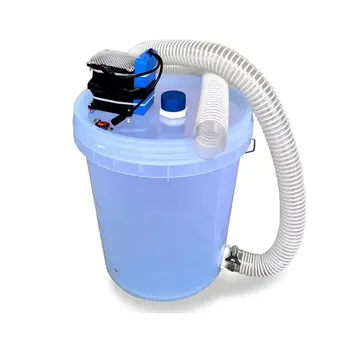
- Portable Electric Bee Vacuum with Lithium Battery and 20L Collection Bucket
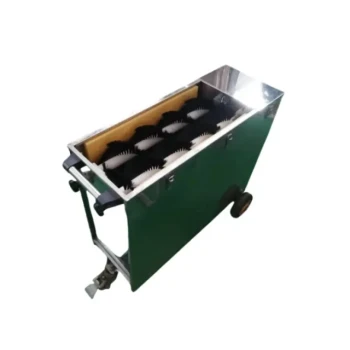
- Commercial Grade Vertical Electric Bee Sweeper for Bee Removal
- Double Row Artificial Fiber Bee Brush for Beekeeping
- Stainless Steel Round Beehive Air Vents for Ventilation
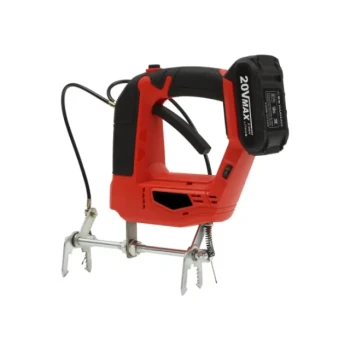
- High Performance Cordless Electric Bee Shaker for Beekeeping
People Also Ask
- What are the advantages of using portable bee vacuums for sampling honey bees? Optimize Nosema Detection Efficiency
- Who is qualified to use a bee vacuum? Essential Safety and Experience Requirements for Effective Bee Relocation
- What potential problems can occur when using a bee vacuum? Prevent Colony Mortality and Ensure Safe Bee Removal
- What are the benefits of using a bee vacuum? Safely Remove & Preserve Honey Bee Colonies
- Why do people use bee vacuums? A Humane Solution for Live Bee Removal