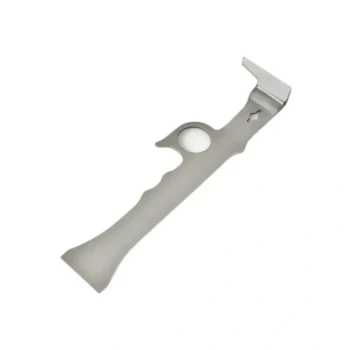
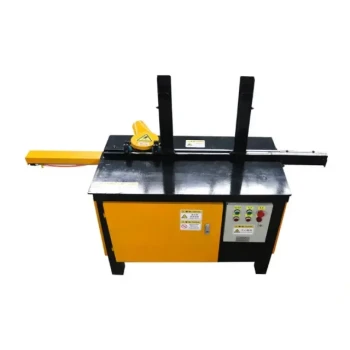
Professional beekeeping toolkits and modern management machinery serve as the critical infrastructure for maintaining productivity while adhering to strict organic standards. These advanced tools enable beekeepers to monitor colony health with scientific precision and facilitate the efficient harvesting of high-purity organic honey. By balancing environmental conservation with economic viability, this technology bridges the gap between traditional agriculture and sustainable, commercial-scale organic production.
The Core Reality Transitioning to organic honey production is not merely about removing chemicals; it requires a fundamental shift in operational precision. Modern machinery mitigates the risks of this transition by standardizing hygiene, reducing manual interference, and ensuring the economic stability necessary to support biodiversity conservation.
Ensuring Purity Through Precision Engineering
Minimizing Contamination Risks
In organic production, maintaining the absolute purity of the final product is non-negotiable. Industrial-grade honey extractors and automated processing equipment replace traditional manual methods that often introduce impurities.
By mechanizing the extraction process, these tools significantly reduce the honey's exposure to open air. This prevents the absorption of excess moisture and airborne contaminants, ensuring the honey meets the rigorous hygiene standards required for export-grade organic certification.
Scientific Health Monitoring
The transition to organic methods prohibits the use of many synthetic treatments for pests and diseases. Consequently, monitoring colony health with scientific precision becomes the primary defense against hive collapse.
Modern toolkits allow for data-driven management, enabling beekeepers to detect issues early without relying on chemical interventions. This supports the conservation of forest biodiversity by maintaining healthy pollinators through sustainable, non-invasive observation.
Enabling Deep Inspections
Specialized protective consumables, such as advanced suits and veils, are not just safety gear; they are management tools. By creating an effective barrier against stings, they empower personnel to perform regular, deep inspections of the colony.
This access is critical for physically verifying pollen reserves and identifying disease vectors early. It ensures that the timing of the honey harvest is optimized based on the actual biological state of the hive rather than guesswork.
Operational Efficiency and Standardization
Reducing Labor Intensity
Organic beekeeping is inherently labor-intensive due to strict compliance requirements. Modern machinery offsets this burden by automating heavy tasks, such as hive migration and honey filling.
This shift lowers the unit cost of production and allows apiaries to scale up operations. By reducing physical strain, beekeepers can focus their energy on skilled colony management rather than manual labor.
The Power of Standardized Hives
Modern management relies heavily on standardized beehives with uniform frame specifications. This physical uniformity provides a stable nesting environment that directly influences overwintering survival rates and honey yields.
Furthermore, standardization ensures compatibility with advanced processing machinery. It creates a seamless workflow from the hive to the extraction line, significantly increasing the efficiency of the entire production chain.
Understanding the Trade-offs
Capital Investment vs. Long-Term Stability
While modern machinery lowers labor costs, it requires a significant upfront financial investment. Transitioning apiaries must balance the cost of high-quality equipment against the potential for increased organic premiums.
Complexity of Operation
Moving from traditional methods to mechanized systems requires a higher level of technical skill. Beekeepers must be trained not only in biology but also in the operation and maintenance of industrial equipment to prevent downtime.
Reliance on Hardware
There is a risk of over-relying on equipment to solve biological problems. Machinery provides the conditions for success (stable nesting, hygiene), but it cannot replace the beekeeper's judgment regarding environmental factors and colony behavior.
Making the Right Choice for Your Transition
To successfully leverage technology in your shift to organic production, align your equipment choices with your specific operational bottlenecks.
- If your primary focus is Purity and Certification: Prioritize industrial-grade extraction and filtration systems to eliminate contamination and moisture risks.
- If your primary focus is Colony Survival: Invest in high-quality standardized hives and protective gear to facilitate frequent, deep health inspections without chemical reliance.
- If your primary focus is Scaling Production: Focus on automation for hive migration and bottling to reduce unit costs and labor intensity.
The successful transition to organic honey lies in using technology to create a hygienic, standardized environment where natural biological processes can thrive without chemical interference.
Summary Table:
| Feature | Role in Organic Production | Impact on Certification |
|---|---|---|
| Industrial Extractors | Minimizes exposure and prevents contamination | Ensures export-grade hygiene standards |
| Standardized Hives | Provides stable nesting & equipment compatibility | Improves colony survival & yield consistency |
| Scientific Toolkits | Non-invasive health monitoring & deep inspection | Reduces reliance on synthetic treatments |
| Automation Gear | Mechanizes hive migration and honey filling | Lowers labor intensity & production costs |
Elevate Your Apiary with HONESTBEE
Transitioning to organic honey production demands precision and the right infrastructure. HONESTBEE specializes in supporting commercial apiaries and distributors with a comprehensive wholesale offering designed for the modern industry. From industrial-grade honey-filling machines and standardized hive-making hardware to high-durability protective consumables and beekeeping tools, we provide the full spectrum of equipment needed to scale your operations.
Partner with us to enhance your production efficiency and secure your place in the premium organic market. Contact our specialists today to discuss your wholesale needs.
References
- Nsabimana Prince Alexandre, Ngirinshuti Henri Jacques. Effect of Farming Practices on Honey Production in Boundary of Gishwati Forest National Park. DOI: 10.4236/gep.2020.85007
This article is also based on technical information from HonestBee Knowledge Base .
Related Products
- Ergonomic Plastic Frame Spacer Tool for Rapid Hive Management Beekeeping
- HONESTBEE 15-in-1 Beekeeper Multi-Tool with Hammer and Pliers for Beekeeping
- HONESTBEE Professional Mini J-Hook Hive Tool for Beekeeping
- Stainless Steel J Hook Hive Tool for Beekeeping
- HONESTBEE Advanced Ergonomic Stainless Steel Hive Tool for Beekeeping
People Also Ask
- What specific challenges do beekeeping hive tools address during hive maintenance? Essential Solutions for Apiaries
- How do specialized beehive management tools assist in the routine maintenance of bee colonies? Boost Hive Efficiency
- How do specialized beehive management tools support high-purity honey production? Master Monofloral Isolation
- How do traditional harvesting tools like axes and machetes negatively affect bee colonies? Upgrade to Professional Gear
- What are the approximate costs of basic beekeeping tools? Start Your Apiary for Under $85