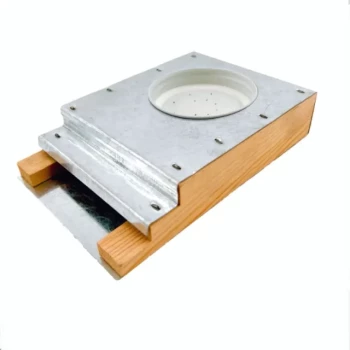
The optimal supplemental feed for honeybees is dictated by the ambient temperature and the colony’s developmental stage. During the cold temperatures of winter and very early spring, candy boards are the most suitable carbohydrate source. As the season progresses into spring, sugar syrup becomes the standard feed, while pollen supplements are reserved for later in the spring to support colonies that are actively rearing large amounts of brood.
Effective supplementation is a balancing act: you must match the physical consistency of the feed to the weather conditions and the nutrient profile to the colony's immediate biological needs.
Matching Carbohydrates to Temperature
Winter and Early Spring Nutrition
When temperatures are low, liquid feed can be difficult for bees to process and manage.
During winter and very early spring, candy boards are the recommended method for delivering carbohydrates. They provide a solid, accessible food source that helps the colony survive until the weather warms.
Standard Spring Feeding
Once the deep cold subsides, the nutritional strategy shifts.
In the spring, sugar syrup becomes the standard supplemental feed. This is used specifically to support the colony until the natural nectar flow begins, at which point the bees can return to foraging.
Supporting Brood Development
The Role of Protein
Carbohydrates provide energy, but protein is required for growth.
For colonies that are actively rearing large amounts of brood, pollen supplements are essential. This specific type of feed ensures that larvae receive the adequate nutrition necessary for healthy development.
Timing the Protein Feed
Protein supplementation is not a year-round requirement.
Pollen supplements are typically provided later in the spring. This timing aligns with the colony's natural cycle of expansion and increased brood production.
Understanding the Trade-offs
The Risk of Over-Supplementation
While feeding is necessary, more is not always better.
Beekeepers must monitor the local climate and natural pollen flow to avoid over-supplementing. Providing too much feed can cause the colony to grow too quickly for its environment, potentially leading to resource exhaustion or swarming.
Avoiding Dependency
The objective is temporary support, not permanent sustenance.
Excessive feeding can lead to the colony becoming reliant on supplements rather than foraging naturally. The goal is to provide just enough support until the bees can independently gather natural resources.
Making the Right Choice for Your Goal
To select the correct feed, assess your current conditions against the colony's needs:
- If your primary focus is winter survival: Utilize candy boards to ensure the bees have a solid, accessible food source during freezing temperatures.
- If your primary focus is spring preparation: Switch to sugar syrup to bridge the nutritional gap until the natural nectar flow begins.
- If your primary focus is population growth: Introduce pollen supplements later in the spring to provide the necessary protein for larvae and brood rearing.
Feed the bees what they need to bridge the gap, but allow nature to take over as soon as the environment allows.
Summary Table:
| Season / Condition | Recommended Feed | Primary Benefit | Nutritional Focus |
|---|---|---|---|
| Winter / Early Spring | Candy Boards | Prevents freezing/moisture issues; easy access | Carbohydrates (Energy) |
| Mid to Late Spring | Sugar Syrup | Mimics nectar; bridges gap to natural flow | Carbohydrates (Energy) |
| Late Spring (Brood Peak) | Pollen Supplements | Supports larval growth and colony expansion | Protein (Growth) |
| Natural Nectar Flow | None (Foraging) | Encourages natural behavior and independence | Balanced Diet |
Scaling Your Beekeeping Success with HONESTBEE
Maintaining healthy colonies requires more than just the right feed—it demands high-quality tools and efficient infrastructure. HONESTBEE is dedicated to supporting commercial apiaries and distributors with our comprehensive wholesale range. From high-capacity honey-filling machines and specialized hive-making hardware to a full spectrum of essential consumables and beekeeping tools, we provide everything your business needs to thrive.
Why partner with HONESTBEE?
- Wholesale Excellence: Bulk supplies tailored for large-scale operations.
- Technical Edge: Advanced machinery to streamline your honey production.
- Diverse Portfolio: Everything from hardware to unique honey-themed cultural merchandise.
Ready to elevate your apiary's productivity? Contact our expert team today to discuss how our professional equipment solutions can grow your business.
Related Products
- White Plastic 0.5L Beekeeping Entrance Feeder for Bees
- HONESTBEE Professional Hive Top Bee Feeder Feeding Solution
- HONESTBEE Professional Entrance Bee Feeder Hive Nutrition Solution
- HONESTBEE Entrance Bee Feeder Efficient Hive Front Liquid Feeding Solution for Beekeeping
- HONESTBEE Entrance Bee Feeder Professional Hive Nutrition Solution for Beekeeping
People Also Ask
- How do you make an entrance feeder for bees? A Guide to Safe & Effective Hive Feeding
- How to make an entrance feeder for bees? A DIY Guide for Safe & Effective Feeding
- How does a bee entrance feeder work? A Simple Guide to Convenient Hive Feeding
- What is a bee entrance feeder and what are its drawbacks? Essential Guide to Hive Security and Feeding Efficiency
- What are the advantages and disadvantages of using an entrance feeder for bees? Balance Convenience and Hive Security.