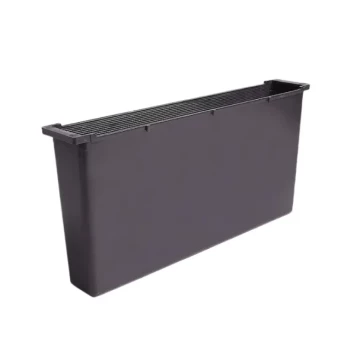
To properly house dry pollen for honeybees, the container requires two specific physical characteristics to function correctly. First, it must provide complete protection from the elements to ensure the pollen remains perfectly dry. Second, it must offer sufficient internal volume for bees to actively roll the powder into their pollen baskets before flight.
The effectiveness of a dry pollen feeder hinges on moisture control and maneuverability. While the container protects the feed, it must also facilitate the bees' natural gathering behavior to ensure successful transport to the hive.
The Physical Essentials of the Feeder
The design of your feeder dictates whether the bees can actually utilize the resources you are providing. Neglecting these requirements will result in wasted feed or ignored resources.
Moisture Control
The primary requirement is that the container must keep the pollen completely dry.
If moisture enters the container, the powder or granules can clump, spoil, or become impossible for the bees to gather. You must ensure the feeder is sheltered or designed to shed rain and humidity effectively.
Spatial Requirements for Foraging
Bees do not simply consume dry pollen on the spot; they must pack it onto their bodies to transport it.
The container must provide enough internal space for the bees to perform this specific behavior. They need room to maneuver and roll the dust into the "baskets" on their hind legs before flying back to the hive.
The Strategic Role of Dry Feeding
Understanding why you are feeding pollen helps determine if a dry container is the right approach for your apiary. This method is primarily used to encourage brood rearing or to support the colony when natural pollen is scarce.
Operational Efficiency
Bulk dry feeding is significantly less labor-intensive than other methods.
Because the feeder is external, you do not need to open hives or lift heavy boxes to replenish the supply. This saves time and energy for the beekeeper while minimizing disturbance to the colony.
Pest and Robber Management
Using a dry feeder offers distinct defensive advantages for the apiary.
Dry pollen substitute is generally ignored by small hive beetles, which are frequently attracted to moist protein patties. Furthermore, an external dry feeder can distract aggressive foragers late in the season, reducing the likelihood of them robbing weaker hives.
Understanding the Trade-offs
While dry feeding is efficient, it functions differently than feeding patties inside the hive. You must understand how the bees utilize the resource to align it with your goals.
Storage vs. Immediate Consumption
The most critical distinction is how the bees treat the protein.
Protein patties placed inside the hive are typically consumed immediately. In contrast, bees tend to store dry pollen substitute in the comb for later use. This makes dry feeding excellent for building reserves, but it may not provide the instant protein spike of a patty.
Making the Right Choice for Your Goal
To determine if a dry pollen container is the correct tool for your current situation, consider your primary management objective.
- If your primary focus is minimizing hive disturbance: Choose a dry container to provide nutrients without the need to smoke or open individual colonies.
- If your primary focus is pest control: Utilize dry pollen feeding to avoid attracting small hive beetles, which thrive on moist pollen patties.
- If your primary focus is building long-term reserves: Use dry feeders, as bees will instinctively store this powder in the comb for future brood rearing needs.
Successful beekeeping requires matching the feeder mechanics to the bees' biological needs.
Summary Table:
| Requirement | Purpose | Importance |
|---|---|---|
| Moisture Control | Keeps pollen dry and prevents clumping or spoilage. | Critical for feed usability. |
| Internal Volume | Provides space for bees to roll powder into pollen baskets. | Necessary for successful transport. |
| External Placement | Reduces labor and avoids disturbing the hive. | Optimizes operational efficiency. |
| Pest Resistance | Prevents attraction of small hive beetles (SHB). | Enhances colony health. |
Scale Your Apiary Operations with HONESTBEE
At HONESTBEE, we specialize in empowering commercial apiaries and distributors with the high-performance tools and machinery needed to succeed at scale. From advanced beekeeping machinery and hive-making equipment to high-volume honey-filling machines, our comprehensive wholesale catalog is designed to streamline your production.
Whether you are sourcing essential industry consumables or looking for unique honey-themed cultural merchandise to expand your brand, we provide the quality and reliability you demand. Contact us today to explore our full range of solutions and see how our expertise can drive your business growth.
Related Products
- Stainless Steel Pollen Shovel with Wooden Handle
- Plastic Bee Pollen Trap Strips Comb Catcher Collector
- Professional Hive Top Bee Feeder for Beekeeping
- HONESTBEE Entrance Bee Feeder Efficient Hive Front Liquid Feeding Solution for Beekeeping
- Removable Plastic Pollen Trap With Ventilated Tray for Bees Pollen Collector
People Also Ask
- How do bee pollen collection tools affect the quality of bee pollen used in functional dairy ice cream production?
- Why should commercial apiaries focus on the collection of diversified bee products? Maximize Your Hive’s Profit Potential
- How does a specialized pollen collector facilitate the harvesting of diverse bee products? Automate High-Value Yields
- What is the impact of pollen collectors and associated equipment on the cost structure of pollen production? Maximize ROI
- What is the technical significance of using specialized cutting tools for propolis? Master Precision Pollen Harvesting