The introduction of pathogens is the primary risk associated with feeding external honey to a bee colony. While honey is the natural food source for bees, introducing honey from outside sources—whether from other hives or a grocery store—can inadvertently transmit diseases to an otherwise healthy colony.
Core Takeaway: To maintain apiary biosecurity, you should only feed a colony honey that was produced by that specific colony. Using external or store-bought honey is a high-risk vector for spreading disease.
The Biosecurity Implications
The Mechanism of Transmission
Honey is not just nutrition; it is a biological product that can carry dormant disease agents.
When you take honey from Source A (an external hive) and feed it to Source B (your colony), you bypass the natural barriers between hives. If the source colony harbored any illness, you are directly inoculating your healthy bees with those pathogens.
The Danger of Store-Bought Honey
A common misconception is that honey safe for human consumption is safe for insects.
Store-bought honey often comes from aggregated sources where the health status of the origin hives is unknown. While these pathogens may be harmless to humans, they can be devastating to a bee colony.
Assessing the Risks
Understanding the Trade-offs
The convenience of using available honey does not outweigh the biological risk.
The perceived benefit is providing a natural food source to a starving colony. However, the hidden cost is the potential introduction of a contagious pathogen that could destroy the colony you are trying to save.
Limitations of Diagnosis
You cannot determine if honey is infected simply by looking at it.
Pathogens are microscopic and can survive in honey for long periods. Relying on visual inspection of the honey is an unreliable method for ensuring safety.
Establishing Safe Feeding Protocols
Guidelines for Hive Health
To prevent the spread of disease, adhere to strict sourcing rules when feeding your bees.
- If your primary focus is colony safety: Never feed honey from an unknown source, including store-bought jars or honey from other beekeepers.
- If your primary focus is resource management: Only extract and feed back honey that was produced by the specific colony you are feeding.
Isolate your resources to ensure the long-term survival of your hives.
Summary Table:
| Risk Factor | Impact on Bee Colony | Mitigation Strategy |
|---|---|---|
| Pathogen Transmission | Introduces dormant diseases (e.g., American Foulbrood) | Only feed honey produced by the specific colony. |
| Store-Bought Honey | High risk due to unknown origins and aggregated sources | Avoid human-grade honey for bee feeding entirely. |
| Visual Inspection | Ineffective; pathogens are microscopic and invisible | Assume all external honey is potentially contaminated. |
| Colony Survival | Possible total loss of the hive due to infection | Use sterilized sugar syrup if own-hive honey is unavailable. |
Secure Your Apiary’s Future with HONESTBEE
Biosecurity is the cornerstone of a successful commercial beekeeping operation. At HONESTBEE, we understand that protecting your colonies requires more than just knowledge—it requires the right tools. We cater to commercial apiaries and distributors by providing a comprehensive range of professional-grade beekeeping equipment.
From high-efficiency honey-filling machines to durable hive-making hardware and essential consumables, our portfolio is designed to help you manage your resources safely and efficiently. Don't let preventable diseases compromise your honey production.
Ready to scale your business with industry-leading equipment?
Contact HONESTBEE Today to Explore Wholesale Solutions
Related Products
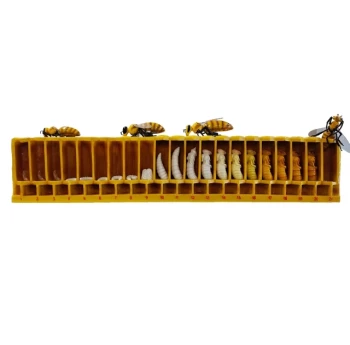
- Honey Bee Lifecycle Model: A Detailed Honeycomb Display of Bee Development
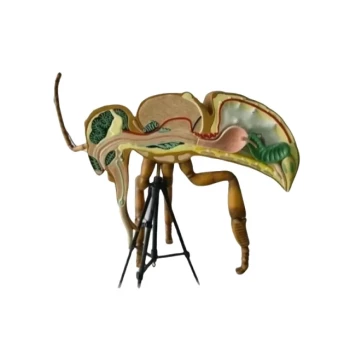
- HONESTBEE Anatomy Bee Model Detailed Anatomical Display for Education and Study
- In-Hive Dual Compartment Frame Bee Feeder for Targeted Colony Nutrition
- HONESTBEE Round Hive Top Bee Feeder for Syrup
- HONESTBEE Entrance Bee Feeder Efficient Hive Front Liquid Feeding Solution for Beekeeping
People Also Ask
- Are honey bees good to have around? The Essential Role and Ecological Impact of Bees
- Why does standardized equipment lower honey bee winter loss? Master Large-Scale Beekeeping Success
- Do honey bees leave their hives? Understanding the Critical Role of Swarming
- What activities require a lot of energy for honey bees? Understanding the Colony's Energy Budget
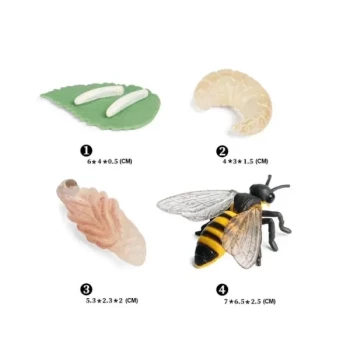
- How do honey bees develop from egg to adult? The Complete 4-Stage Metamorphosis Guide