Internal hive moisture is the leading cause of colony mortality during winter months, often surpassing the danger of the cold itself. Unlike in summer, honey bees cannot actively ventilate or regulate humidity when they are clustered for warmth. This inability creates a dangerous environment where condensation and mold thrive, rapidly turning a healthy hive into a dead one.
While bees can endure extreme cold by clustering, they cannot survive being wet and cold simultaneously. The accumulation of moisture neutralizes the colony’s ability to generate heat, leading to hypothermia, mold growth, and total colony collapse.
The Mechanics of Moisture Accumulation
The Regulation Deficit
During the summer, bees actively manage humidity by fanning their wings to circulate air. In winter, this is biologically impossible.
To survive the cold, bees form a tight cluster to conserve heat. Because they cannot break this cluster to ventilate the hive, they lose control over the internal humidity levels.
The Condensation Cycle
The bee cluster generates significant heat and respiration moisture. When this warm, moist air rises and hits a cold surface—typically the inner cover or uninsulated walls—it condenses into liquid water.
This condensation creates a lethal cycle. The cold water drips back down onto the cluster, chilling the bees. Once a bee becomes wet in freezing temperatures, it can no longer maintain body heat and dies.
Biological Hazards and Mold
Fungal Proliferation
Excessive dampness creates the perfect breeding ground for mold. The primary reference indicates that mold growth is a direct consequence of unregulated humidity in cold weather.
Resource Spoilage
Mold does not just affect the physical structure of the hive; it attacks the colony's food stores. If pollen and honey become moldy, the bees may be left without viable food sources, leading to starvation despite having full frames.
Understanding the Trade-offs: Heat vs. Humidity
The Insulation Paradox
To prevent condensation, beekeepers often insulate hives. However, insulation alone can be dangerous.
If you seal a hive too tightly to retain heat, you trap the moisture generated by the bees' respiration. This turns the hive into a damp incubator for pathogens.
The Necessity of Ventilation
Effective winter management requires a balance. You must retain heat while allowing moisture to escape.
As noted in the supplementary data regarding "Hot Box" systems, a thermal barrier is useful only if paired with a mechanism to draw liquid away. Systems that utilize moisture boards and controlled ventilation allow water to evaporate without stripping away the colony's essential warmth.
Strategies for Winter Survival
If your primary focus is Colony Survival:
- Prioritize dryness over warmth; ensure your hive setup allows moist air to vent or be absorbed rather than condensing on the bees.
If your primary focus is Equipment Preservation:
- Implement moisture wicking (such as moisture boards) to prevent mold from penetrating wooden ware and ruining drawn comb.
If your primary focus is Temperature Stability:
- Use insulation to create a thermal barrier, but ensure it is paired with adequate airflow to facilitate evaporation.
The difference between a dead colony and a thriving spring hive is often just a matter of keeping the bees dry.
Summary Table:
| Hazard Factor | Impact on Colony | Mitigation Strategy |
|---|---|---|
| Condensation | Drips on cluster causing lethal hypothermia | Use moisture boards and upper ventilation |
| Mold Growth | Destroys food stores (pollen/honey) and comb | Reduce humidity and improve airflow |
| Insulation Paradox | Traps respiration moisture, creating dampness | Balance thermal barriers with moisture wicking |
| Respiration | Continuous moisture release from the cluster | Ensure hive design allows for evaporation |
Secure Your Apiary’s Success with HONESTBEE
Winter moisture is a silent killer, but with the right professional-grade equipment, your colonies don't just survive—they thrive. HONESTBEE provides commercial apiaries and distributors with high-performance beekeeping tools, from moisture-regulating hive components to advanced hive-making machinery.
Whether you are scaling your commercial operations or supplying the industry with essential consumables, our comprehensive wholesale portfolio offers the specialized hardware and technical reliability you need to eliminate colony loss.
Protect your investment and boost your productivity. Contact HONESTBEE today to explore our full spectrum of beekeeping solutions and equipment.
Related Products
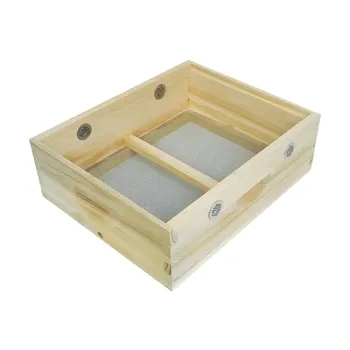
- Professional Beekeeping Quilt Box with Multi Vent Moisture Control
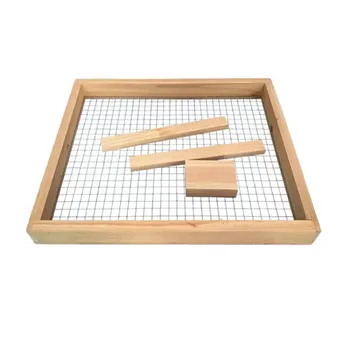
- Heavy-Duty Candy Board with Galvanized Mesh for Beekeeping
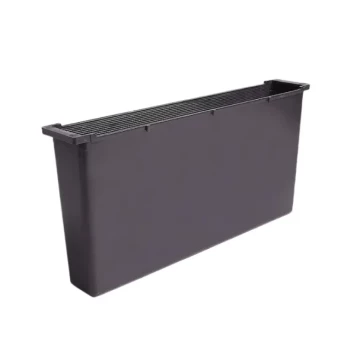
- Professional In-Hive Bee Feeder HONESTBEE Frame for Beekeeping
People Also Ask
- What moisture control accessories and techniques can be used to prevent excess humidity inside beehives? Discover top solutions
- What are the production benefits of transitioning from traditional beehives to modern box hives in apiculture management? Boost Yields and Efficiency
- How should different hive box sizes be configured within a beekeeping hive system to optimize brood rearing and honey harvest? Optimize with Our Wholesale Hive Components
- What operational advantages does deploying multiple hive boxes provide? Boost Apiary Monitoring & Colony Management
- What role does moisture play in a honey bee colony during winter? Essential for Survival, But a Deadly Threat if Mismanaged