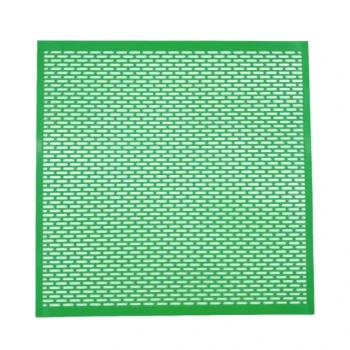
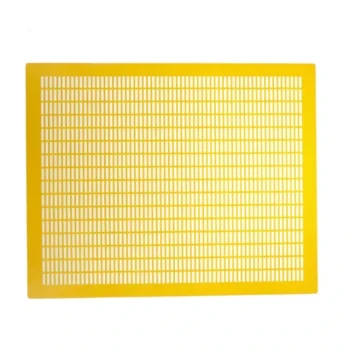
Excluders and supers are essential components for managing the internal structure and production of a beehive. An excluder serves as a selective barrier that confines the queen to the brood chamber, preventing her from laying eggs in the honey stores. A super is an additional box placed on the hive to provide the necessary volume for bees to store surplus honey, particularly during the active summer months.
The core objective of using these components is to separate the colony's "nursery" from its "pantry." By restricting the queen with an excluder and expanding storage with supers, you ensure a clean honey harvest while maintaining a healthy, growing brood.
The Role of the Queen Excluder
The queen excluder is a management tool designed to dictate where the queen acts within the hive. Its primary function is spatial control.
Preventing Brood Contamination
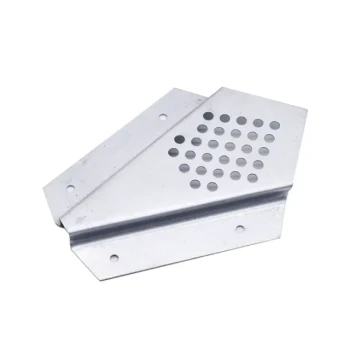
The excluder allows worker bees to pass through freely but is too narrow for the larger queen bee.
This prevents the queen from moving into the upper boxes (supers) to lay eggs.
Without an excluder, the queen may lay brood in the honey combs, making extraction difficult and resulting in honey contaminated with larvae.
Critical Timing for Installation
For an excluder to be effective, timing is non-negotiable.
You must install the excluder before the queen has begun laying eggs in the upper sections of the hive.
If installed after the queen has already moved up, you risk trapping her in the honey supers, defeating the device's purpose entirely.
The Role of the Super
While the hive body (or brood chamber) is for raising young bees, the super is strictly for resource accumulation.
Expanding Storage Capacity
Supers are modular boxes added to the hive structure, typically above the brood chamber.
They provide the physical space required for bees to store nectar and pollen during the productive summer months.
Without adequate supers, a colony may run out of room to store resources, which can limit productivity.
Structural Composition
Supers are designed to hold frames, which act as the foundation for the honeycomb.
Depending on the equipment size, supers typically hold either 8 or 10 frames.
These frames support the comb where the surplus honey is deposited and eventually harvested by the beekeeper.
Operational Considerations
Using these components correctly requires understanding the trade-offs regarding hive dynamics and timing.
The Risk of Trapping the Queen
The most common error involving excluders is failing to verify the queen's location.
If the queen is inadvertently trapped above the excluder, she will turn the honey super into a brood chamber.
This forces the colony to store honey in the lower boxes, disrupting the standard vertical organization of the hive.
Managing Vertical Growth
Supers should be added in response to the colony's growth and the season.
Adding supers provides the "real estate" necessary for the colony to capitalize on a strong nectar flow.
However, these are distinct from the hive bodies used for brood; they represent the harvestable surplus of the colony.
Making the Right Choice for Your Goal
To manage your hive effectively, apply these components based on your specific objectives:
- If your primary focus is clean honey extraction: Prioritize the timely installation of a queen excluder to ensure your harvest frames contain only honey, not brood.
- If your primary focus is maximizing yield: Monitor the season closely and add supers immediately as the summer flow begins to prevent storage bottlenecks.
Strategic use of excluders and supers allows you to harness the colony's natural instincts for maximum productivity and ease of management.
Summary Table:
| Component | Primary Function | Main Benefit | Timing / Requirement |
|---|---|---|---|
| Queen Excluder | Spatial Control | Prevents brood in honey combs | Install before queen moves to upper boxes |
| Honey Super | Resource Storage | Provides space for surplus nectar | Add during active summer nectar flows |
| Brood Chamber | Colony Nursery | Houses the queen and developing larvae | Permanent base of the hive structure |
Elevate Your Beekeeping Operation with HONESTBEE
As a dedicated partner to commercial apiaries and global distributors, HONESTBEE understands that precision in hive management leads to higher yields. We provide a comprehensive wholesale range of professional-grade beekeeping tools, from durable queen excluders and modular supers to advanced honey-filling and hive-making machinery.
Whether you are scaling your production or stocking essential industry consumables, our expertise in specialized hardware and honey-themed merchandise ensures your business stays productive and profitable.
Ready to upgrade your equipment? Contact us today to explore our wholesale solutions!
Related Products
- High Performance Plastic Queen Excluder for Beekeeping and Apiary Management
- Professional Plastic Queen Excluder for Modern Beekeeping
- Lightweight Durable Plastic Queen Excluder Scraper for Beekeeping
- Metal Queen Bee Excluder for Beekeeping
- Premium Wood Framed Metal Wire Queen Bee Excluder
People Also Ask
- What are the characteristics of a plastic queen excluder? Key Benefits for Cost-Effective Beekeeping
- What are the operational and cost advantages of using plastic queen excluders over metal or wire excluders in commercial hive management? Discover how they reduce labor, prevent wing damage, and lower total costs.
- What types of queen excluders are available for beekeepers? Choose the Right Tool for Your Hive
- Why are standardized hive frames and queen excluders essential for maintaining honey purity and quality? Scale Your Purity
- Do plastic queen excluders work? A Cost-Effective Solution for Modern Apiaries