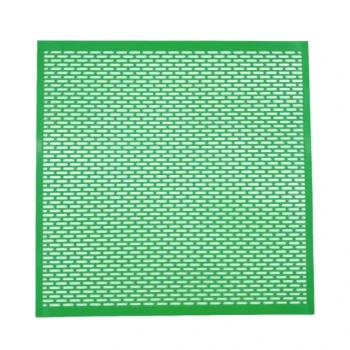
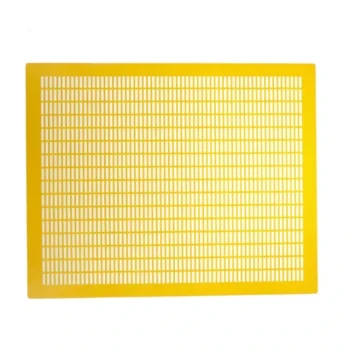
Queen excluders assist in honey production by establishing a physical boundary between the colony's reproductive center and its food storage. By placing a specialized grid between the brood chambers and honey supers, you confine the queen to the lower level. This prevents her from laying eggs in the upper honey frames while allowing smaller worker bees to pass through and store nectar freely.
Core Takeaway By leveraging the size difference between the queen and worker bees, excluders create a dedicated "honey zone" entirely free of brood. This guarantees the purity of the harvest and simplifies extraction, though it requires careful management to ensure the colony remains willing to cross the barrier.
The Mechanics of Hive Zoning
Exploiting Physical Differences
The fundamental principle of a queen excluder is size discrimination. The device utilizes a grid with precise gap widths that are perfectly calibrated to the anatomy of the bees.
These apertures are large enough for the smaller worker bees to traverse easily as they move resources through the hive. However, they are too narrow for the larger abdomen of the queen bee, physically restricting her movement.
Establishing Vertical Boundaries
In a managed hive, the excluder is installed horizontally between the lower brood boxes and the upper honey supers.
This creates a strict zoning system. The area below the excluder is reserved for egg-laying and brood rearing, while the area above is designated exclusively for honey storage.
Benefits for Quality and Processing
Guaranteeing Honey Purity
The primary technical benefit of an excluder is the prevention of contamination. Without a barrier, a prolific queen may move upward to lay eggs in fresh wax, resulting in larvae and pupae developing in the honey frames.
By blocking the queen, you ensure the harvested frames contain pure honey only. This eliminates biological impurities such as larvae or brood cocoons from the extraction process.
Simplifying Extraction
Harvesting honey from frames that contain brood is difficult and destructive to the colony's future workforce.
When an excluder is used, beekeepers can remove honey supers with the confidence that they are not accidentally culling the next generation of bees. This allows for faster assessment and removal of honey frames.
Understanding the Trade-offs
The "Honey Barrier" Effect
While excluders guarantee purity, they can sometimes impede production. The impact is not definitive and varies significantly by colony.
Some colonies view the excluder as a "ceiling" rather than a gateway. In these cases, worker bees may refuse to pass through the grid to store honey in the supers, potentially leading to lower yields or congestion in the brood nest.
Genetic Considerations
The necessity of an excluder often depends on the specific genetics of your bees.
Wild-caught swarms or highly prolific breeds often have an aggressive drive to expand the brood nest and benefit greatly from the containment an excluder provides. Conversely, bee strains bred to maintain smaller, tighter brood nests may naturally separate honey from brood without mechanical intervention.
Making the Right Choice for Your Goal
The decision to use an excluder balances the need for purity against the potential for reduced traffic into the supers.
- If your primary focus is Commercial Grade Purity: Use an excluder to guarantee that your final product is 100% free of larvae and biological impurities.
- If your primary focus is Maximum Colony Acceptance: Monitor the hive closely; if bees refuse to cross the excluder, consider removing it temporarily to encourage upward movement.
- If your primary focus is Swarm Management: Ensure you add supers early; while the excluder organizes the hive, the supers themselves provide the vertical space needed to alleviate overcrowding.
Effective hive management relies on observation: use the excluder to enforce order, but be ready to adapt if your specific colony resists the restriction.
Summary Table:
| Feature | Mechanism/Benefit | Impact on Management |
|---|---|---|
| Physical Boundary | Size-calibrated grid gaps | Confines queen to brood chamber while workers pass. |
| Honey Purity | Prevents egg-laying in supers | Guarantees frames are free of larvae and biological impurities. |
| Extraction Efficiency | Eliminates brood in honey frames | Faster harvesting without damaging future colony workforce. |
| Hive Zoning | Vertical separation | Simplifies hive organization and resource monitoring. |
| Yield Management | Space regulation | Prevents brood nest congestion when monitored correctly. |
Elevate Your Commercial Apiary with HONESTBEE
Maximize your honey purity and operational efficiency with professional-grade solutions. At HONESTBEE, we understand the needs of commercial apiaries and distributors. We provide a comprehensive wholesale offering of the entire spectrum of beekeeping tools, from precision queen excluders to specialized honey-filling and hive-making machinery.
Whether you need essential industry consumables or high-end hardware, our portfolio is designed to help you scale. Contact us today to explore our wholesale catalog and see how we can add value to your business.
Related Products
- High Performance Plastic Queen Excluder for Beekeeping and Apiary Management
- Professional Plastic Queen Excluder for Modern Beekeeping
- Lightweight Durable Plastic Queen Excluder Scraper for Beekeeping
- Metal Queen Bee Excluder for Beekeeping
- Premium Wood Framed Metal Wire Queen Bee Excluder
People Also Ask
- What are the characteristics of a plastic queen excluder? Key Benefits for Cost-Effective Beekeeping
- What are the operational and cost advantages of using plastic queen excluders over metal or wire excluders in commercial hive management? Discover how they reduce labor, prevent wing damage, and lower total costs.
- What types of queen excluders are available for beekeepers? Choose the Right Tool for Your Hive
- Why are standardized hive frames and queen excluders essential for maintaining honey purity and quality? Scale Your Purity
- Do plastic queen excluders work? A Cost-Effective Solution for Modern Apiaries