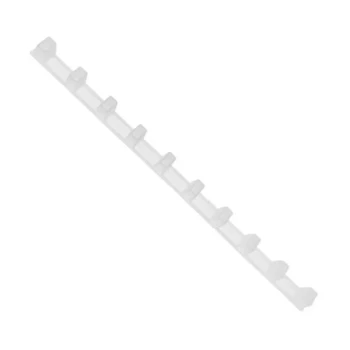
The primary technical advantage of plastic molded grids is the superior elimination of physical contaminants. By simulating natural hive gaps, these grids leverage the honeybee’s instinct to seal crevices, resulting in the collection of raw propolis that is virtually free of the wood chips, paint residues, and bee fragments inherent to traditional scraping methods.
The Core Shift: From Extraction to Interception Traditional scraping treats propolis as a surface deposit to be removed, inevitably harvesting the substrate (wood) along with the resin. Plastic molded grids fundamentally change the physics of collection by intercepting the propolis in suspension, yielding a standardized, high-purity feedstock essential for industrial bio-fungicide and pharmaceutical production.
Elevating Raw Material Purity
Elimination of Substrate Contamination
When propolis is scraped directly from wooden hive structures, the mechanical action almost always gouges the underlying material. This introduces wood chips, splinters, and paint residues into the raw product. Plastic grids isolate the deposition area from the hive walls, ensuring the harvested material is free of these heavy impurities.
Leveraging Biological Instincts
Bees have a natural drive to seal gaps to maintain hive homeostasis. Plastic grids are designed with specific dimensions that trigger this filling behavior. Because the bees are depositing propolis into empty space rather than coating a surface, the resulting matrix is composed almost entirely of resin and wax, excluding the bee fragments and debris often found on hive floors or frames.
Standardization for Industrial Application
Stable Physicochemical Properties
For commercial apiaries supplying industrial clients, consistency is as valuable as volume. Propolis collected via grids exhibits more stable physicochemical properties compared to scraped samples. This stability provides a predictable baseline for the production of bio-fungicides, ensuring that each batch acts consistently.
Uniform Chemical Composition
Scraped propolis varies wildly depending on where in the hive it was scraped from and how much debris is included. Grid-collected propolis offers a more uniform chemical composition. This uniformity is critical for downstream applications, such as the production of concentrated ethanolic extracts, where precise dosing of active ingredients is required.
Operational and Downstream Efficiency
Optimization of Refining Processes
The purity of the raw material directly impacts the cost of processing. High-purity propolis harvested from grids significantly lowers the consumption of solvents (such as ethanol) during the extraction phase. With fewer impurities to filter out and dissolve, the refining process becomes more efficient and less wasteful.
Preservation of Hive Infrastructure
Scraping is an abrasive process that slowly degrades hive boxes and frames over time, creating rough surfaces that are harder to sterilize. Using a dedicated collection grid preserves the structural integrity of the wooden hive components, extending the lifespan of the apiary's primary assets.
Understanding the Trade-offs
Equipment vs. Labor Intensity
While scraping requires only a hive tool, it demands significant post-collection labor to clean and filter the dirty material. Plastic grids require an upfront investment in equipment but shift the labor dynamic. The effort moves from cleaning dirty wax to managing the rotation of grids.
Implementation Specifics
To be effective, these grids must be placed correctly—typically beneath the hive cover. This requires a specific operational workflow during hive inspections. If the grids are not sized correctly to simulate the specific "bee space" required to trigger propolis deposition, yield may be inconsistent.
Making the Right Choice for Your Goal
To determine the best method for your apiary, assess the requirements of your final product:
- If your primary focus is Pharmaceutical or Food-Grade Extracts: Adopt plastic molded grids to minimize solvent usage and ensure the chemical uniformity required for regulatory compliance.
- If your primary focus is Industrial Bio-Fungicides: Use grids to guarantee the stable physicochemical properties necessary for a standardized, effective agricultural product.
- If your primary focus is Asset Longevity: Switch to grids to stop the abrasive damage caused by scraping, prolonging the life of your wooden hive bodies.
Adopting plastic molded grids transforms propolis from a byproduct of hive cleaning into a purpose-harvested, high-value agricultural commodity.
Summary Table:
| Feature | Traditional Scraping Method | Plastic Molded Grids | benefit |
|---|---|---|---|
| Purity Level | High contamination (wood/paint) | High purity (low debris) | Reduced refining costs |
| Consistency | Variable chemical composition | Stable physicochemical properties | Better for industrial extraction |
| Hive Impact | Abrasive damage to hive bodies | Preserves structural integrity | Extended equipment lifespan |
| Labor Focus | Intensive manual cleaning | Management of grid rotation | Improved operational efficiency |
| Primary Use | Low-grade raw material | Pharmaceutical/Food-grade | Higher market value |
Maximize Your Propolis Value with HONESTBEE
Transitioning from traditional scraping to professional collection methods is essential for scaling your commercial apiary operations. At HONESTBEE, we specialize in supporting commercial apiaries and distributors with a comprehensive wholesale offering.
Our portfolio includes high-precision plastic molded grids, hive-making machinery, and honey-filling equipment designed to ensure your propolis meets the highest industrial and pharmaceutical standards. By partnering with us, you gain access to the tools needed to reduce solvent consumption and improve the chemical uniformity of your products.
Ready to elevate your production? Contact us today to explore our full spectrum of beekeeping tools and hardware tailored for industry leaders.
References
- Irene Laura Cibanal, Liliana Gallez. Avances en el desarrollo de un biofungicida: Caracterización físico-química y actividad antifúngica de propóleos. DOI: 10.31285/agro.23.83
This article is also based on technical information from HonestBee Knowledge Base .
Related Products
- Durable Plastic Frame Spacer
- Professional Insulated Plastic Bee Hives
- 3D Square Honeycomb Pillar Silicone Candle Molds for Making Beeswax Candles
People Also Ask
- Are plastic bee hive frames good? A Guide to Modern Durability vs. Natural Appeal
- Are plastic bee frames good? A Guide to Durability, Efficiency & Bee Acceptance
- What are the advantages of using Standard Langstroth 10-frame equipment? Scale Your Commercial Apiary Efficiency
- How do you clean plastic frames? A Gentle Guide to Preserving Your Frames
- How must plastic frames be prepared for bees? Expert Tips for 100% Acceptance & Success