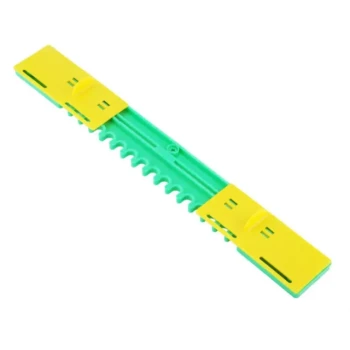
Rear-opening beehives, such as the AZ-style design, offer a critical technical advantage for field trials by decoupling hive management from environmental disruption. By permitting access from the back of the unit, these hives allow researchers to collect samples and manage the colony without removing the top cover, thereby preserving the hive's internal homeostasis and ensuring data integrity.
Core Takeaway In scientific field trials, the observer effect—where the act of observation alters the subject—is a major liability. Rear-opening hives neutralize this variable by maintaining stable internal temperatures and natural behavioral rhythms, ensuring that experimental data reflects the colony's true physiological state rather than a stress response to inspection.
Preserving Environmental Stability
Minimizing Thermal Disruption
The primary technical benefit of the rear-opening design is the preservation of the internal hive temperature. Traditional top-opening inspections release the colony's heat envelope, forcing bees to expend energy regulating the temperature rather than behaving naturally.
Eliminating Ventilation Stress
By accessing the hive from the back, the top cover remains sealed. This prevents the sudden "chimney effect" of heat loss associated with standard hives. Consequently, the colony remains in a physiological state that is closest to its natural environment, providing a stable baseline for observation.
Enhancing Data Reliability
Reducing Behavioral Disturbances
Field trials often require frequent interaction with the colony. Rear access minimizes the vibration and light exposure that typically triggers defensive or stress behaviors in honeybees. This ensures that the natural behavioral rhythms of the bees are preserved throughout the study.
Consistent Nutritional Observations
For long-term studies, particularly those focusing on nutrition, maintaining a constant state is vital. Because the colony is not forced to react to the stress of a full hive opening, researchers can be confident that changes in colony health are due to experimental variables, not inspection interference. This directly enhances the reliability of experimental results.
Operational Efficiency in Research
Streamlined Daily Management
The design facilitates daily management without the heavy lifting or major disruption required by Langstroth-style stacking boxes. Researchers can check specific frames or feeders quickly.
Simplified Sample Collection
Samples can be collected from specific areas of the hive via the rear panel. This allows for high-frequency data collection with low-impact intrusion, a critical requirement for rigorous field trials.
Understanding the Variables (Trade-offs)
The Cost of Disruption
While the reference highlights the benefits of rear-opening hives, it implicitly outlines the "trade-off" or pitfall of using standard hives. In a standard top-opening hive, every data point collected comes with a "disturbance cost"—a temporary spike in stress and temperature fluctuation.
Contextual Necessity
If a study does not require high-frequency sampling (e.g., daily checks), the specific advantages of the rear-opening design may be less pronounced. However, for studies requiring daily fidelity to natural conditions, relying on standard hives introduces a variable of disturbance that can skew sensitive physiological data.
Making the Right Choice for Your Goal
When designing your field trial protocols, align your equipment choice with your data fidelity requirements.
- If your primary focus is behavioral or nutritional accuracy: Choose rear-opening hives to eliminate temperature fluctuations and stress variables that could corrupt your dataset.
- If your primary focus is high-frequency sampling: Utilize rear-opening designs to enable daily access without triggering the colony's defensive or thermoregulatory responses.
Adopting rear-opening architecture transforms the hive from a variable into a constant, ensuring your research measures the biology of the bee, not the interference of the beekeeper.
Summary Table:
| Feature | Rear-Opening Hive (AZ-Style) | Traditional Top-Opening Hive |
|---|---|---|
| Thermal Regulation | High: Preserves internal heat envelope | Low: Heat escapes via 'chimney effect' |
| Colony Stress | Minimal: Low vibration and light exposure | High: Frequent defensive/stress triggers |
| Data Integrity | High: Eliminates the 'observer effect' | Variable: Skewed by inspection disturbance |
| Management | Rear access; no heavy lifting required | Requires removal of heavy stacking boxes |
| Ideal Use Case | Precision research & high-frequency sampling | General beekeeping & honey production |
Elevate Your Beekeeping Standards with HONESTBEE
Precision matters, whether you are conducting rigorous field trials or scaling a commercial operation. HONESTBEE specializes in empowering commercial apiaries and distributors with premium, high-performance solutions. We provide a comprehensive wholesale range of beekeeping tools, specialized hive-making machinery, and honey-filling equipment designed for maximum efficiency and colony health.
From essential consumables to honey-themed cultural merchandise, we support every aspect of your business growth. Partner with a supplier that understands the technical demands of modern beekeeping.
Contact HONESTBEE today to discuss your wholesale needs
References
- Nemanja M. Jovanović, Zoran Stanimirović. A Field Trial to Demonstrate the Potential of a Vitamin B Diet Supplement in Reducing Oxidative Stress and Improving Hygienic and Grooming Behaviors in Honey Bees. DOI: 10.3390/insects16010036
This article is also based on technical information from HonestBee Knowledge Base .
Related Products
- Professional Reversible Beehive Hive Entrance
- Multi-Functional Sliding Hive Entrance for Beekeeping
- Australian Langstroth Beehive Boxes for Beekeeping Wholesales
- HONESTBEE Premium Italian Style Hive Tool with Hardwood Handle
- Wholesales Dadant Size Wooden Bee Hives for Beekeeping
People Also Ask
- Where is the hive entrance typically located? Optimize Your Hive's Health and Honey Production
- What role does the size of the entrance play in hive ventilation? Master Beehive Climate Control
- What roles does the hive entrance (piquera) play in beehive management and colony health? Essential Guide for Pro Apiaries
- What are the primary advantages of providing a smaller entrance for a beehive? Boost Defense and Winter Survival
- Why adjust beehive entrance size for humidity? Boost Honey Ripening and Varroa Control in Commercial Apiaries