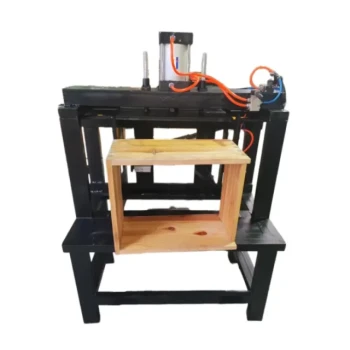
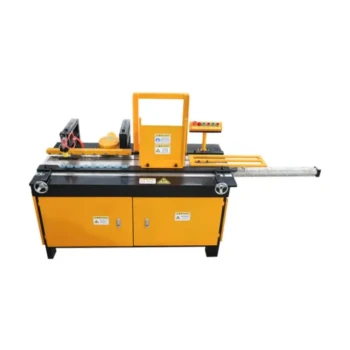
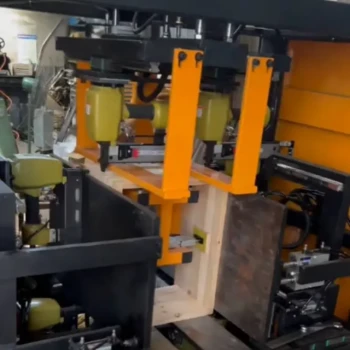
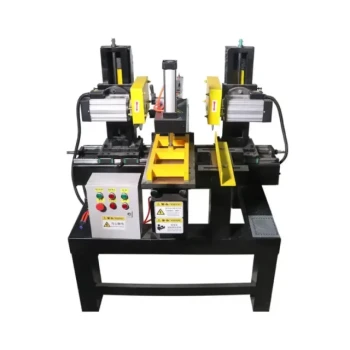
Specialized hive-making machines provide a definitive technical edge by delivering geometric precision and structural standardization that manual methods cannot consistently match. This hardware standardization ensures superior structural integrity and enables the processing of chemical-free wood, directly supporting the strict exclusion of synthetic inputs required in organic apiary construction.
The Core Insight While manual construction relies on craftsmanship, specialized machinery establishes the reproducible physical foundation necessary for scalable organic beekeeping. By ensuring precise dimensions and seamless sealing, these machines reduce the need for chemical interventions and create a stable, standardized environment that maximizes colony health and operational efficiency.
Enhancing Organic Integrity Through Design
Eliminating Chemical Dependencies
The primary technical advantage of machine-based construction is the ability to process chemical-free wood with extreme precision. Manual methods often require chemical treatments to compensate for structural gaps or wood preservation.
Physical Pest Exclusion
High-precision industrial cutting creates tight, seamless joints that act as a physical barrier against pests. This mechanical precision reduces the reliance on chemical pesticides for insect prevention, protecting the natural purity of the honeybee growth environment at the source.
Protecting Product Purity
Precision-manufactured hives offer superior sealing against external pollutants. This protects the physical and chemical indicators of the honey during production, ensuring the final product meets strict organic standards.
Optimizing Colony Health and Physiology
Adherence to the "Bee Space" Principle
Machinery ensures that internal hive dimensions strictly follow the biological "bee space" principle. Manual methods often introduce slight variances that violate this principle, causing bees to build irregular comb or bridge gaps with propolis.
Energy Conservation
Machine-manufactured hives provide superior thermal insulation and sealing. This creates an optimal microclimate, significantly reducing the metabolic energy bees must consume to heat the hive or seal structural gaps.
Improved Settlement and Retention
Standardized infrastructures provide a more suitable colonization environment, reducing stress on the bees. This significantly improves the success rate of attracting forest bees (such as the Eastern honeybee) and minimizes the risk of the colony absconding.
Operational Scalability and Automation
Component Interchangeability
Standardized processing molds allow for the rapid production of hives with uniform specifications. This allows apiarists to easily interchange components, such as frames and supers, across different hives—a logistical impossibility with irregular, hand-built structures.
Foundation for Automation and IoT
Geometric precision is a prerequisite for modernizing an apiary. Standardized structures ensure seamless compatibility with automated honey extraction equipment and allow for the easy installation of Internet of Things (IoT) sensors for digital management.
Moisture Control Efficiency
The standardized design provides an ideal environment for ventilation and moisture evaporation. This allows bees to efficiently reduce nectar water content to approximately 20 percent, stabilizing honey quality.
Understanding the Trade-offs
Initial Investment vs. Long-Term Maintenance
While traditional manual methods often utilize free or low-cost natural materials (like wild vines), they incur higher long-term maintenance costs due to poor weather resistance. Machines require upfront capital but produce durable hives that resist weathering and reduce replacement frequency.
Material Sourcing Shifts
Traditional methods often rely on forest materials like phloem fibers and vines. Machine production shifts this demand to local timber. While this reduces the specific impact on forest undergrowth vegetation, it requires a supply chain of high-quality, chemical-free lumber to maintain organic integrity.
Making the Right Choice for Your Goal
- If your primary focus is Organic Certification: Prioritize machine-made hives to eliminate chemical wood treatments and rely on physical design for pest control.
- If your primary focus is High-Efficiency Production: Leverage the standardization of machine-made hives to enable component interchangeability and automated extraction.
- If your primary focus is Colony Health: Use the precision of machine manufacturing to strictly adhere to the bee space principle and improve thermal regulation.
Ultimately, specialized machinery transforms the beehive from a simple shelter into a precision instrument that supports both the biological needs of the colony and the operational demands of the beekeeper.
Summary Table:
| Feature | Manual Construction | Specialized Machinery |
|---|---|---|
| Precision | Variable (Hand-crafted) | High (Micron-level accuracy) |
| Organic Support | Hard to maintain without sealants | Physical sealing with tight joints |
| Bee Space Adherence | Inconsistent | Perfect biological alignment |
| Scalability | Low (Unique components) | High (Interchangeable parts) |
| Automation Ready | No | Yes (Compatible with IoT/extraction) |
| Durability | Low (Weather sensitive) | High (Industrial-grade structures) |
Elevate Your Apiary with HONESTBEE Precision
Transitioning to professional hive manufacturing is the key to scaling your organic honey production. HONESTBEE specializes in empowering commercial apiaries and global distributors with the industry's most reliable beekeeping tools and machinery. From high-precision hive-making machines and honey-filling lines to a full range of consumables and honey-themed cultural merchandise, we provide the hardware you need to ensure colony health and operational efficiency.
Ready to modernize your infrastructure? Contact us today to explore our wholesale solutions and discover how our expertise can drive your beekeeping success.
References
- I Dobre, C. Fernoagă. Prevention of diseases in the beekeeping holdings – An essential condition for obtaining organic honey. DOI: 10.1016/j.jbiotec.2017.06.1031
This article is also based on technical information from HonestBee Knowledge Base .
Related Products
- High-Efficiency Pneumatic Bee Hive Making Machine for Rapid Box Assembly
- Mini Desktop Bee Hive Frame Forming Making Machine
- Beehive Handle and Frame Rest Cutting Machine: Your Specialized Hive Machine
- Automatic High-Speed Bee Hive Box Stapling Machine
- Beehive Machine Double End Saw for Precision Hive Component Manufacturing
People Also Ask
- How does the introduction of professional beehive-making machinery benefit sustainable beekeeping? Scale Your Apiary
- Why is specialized beehive-making machinery critical for low-defense breeding? Enhance Selection with Precision Tools
- How does the introduction of specialized beehive making machinery contribute to increasing the scale of regional beekeeping industries?
- What is the importance of specialized beehive making machinery in a circular bio-economy? Build Local Sustainability
- Why is specialized beehive-making machinery essential? Scale Your Apiary with Precision Industrial Standards