The fundamental process of rendering beeswax consists of three distinct stages: melting the wax to a liquid state, straining it to remove physical debris, and letting it harden into a solid block.
Core Takeaway: Rendering is a purification technique that uses heat and filtration to separate valuable wax from hive debris. The most effective method often utilizes water as a medium, allowing impurities to settle while the clean wax floats to the top.
The Rendering Workflow
Step 1: Melting the Wax
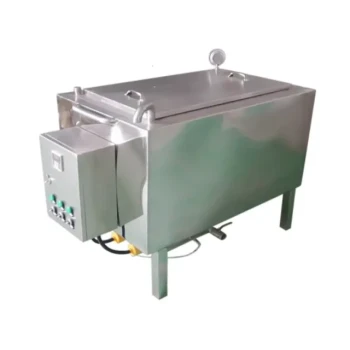
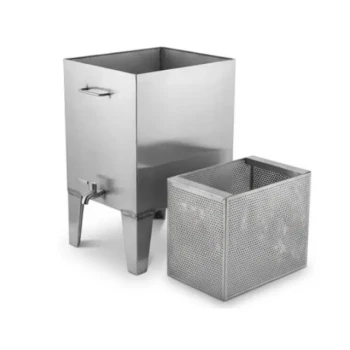
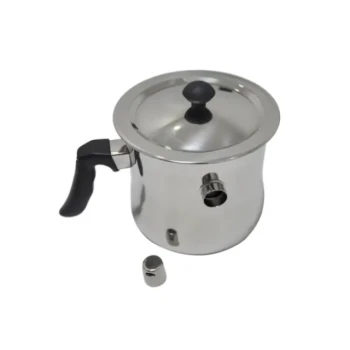
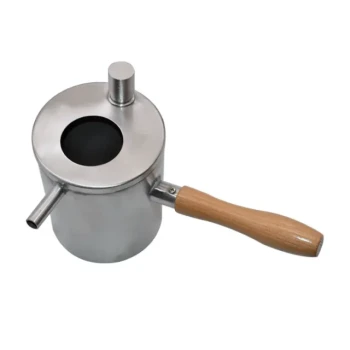
The first step is to liquefy the beeswax to separate it from the structure of the honeycomb. This is often done by combining the wax with hot water in a dedicated pot, such as a double boiler or crock pot.
Using water is critical because it helps prevent the wax from sticking to the container. It also acts as a separator, as the wax will eventually float while heavier debris sinks.
Step 2: Straining the Impurities
Once the wax is fully melted, it must be mechanically filtered to remove non-wax material. This involves pouring the hot wax and water mixture through a filter medium.
Common filtration materials include cheesecloth, nylon, or sweatshirt fabric. This step catches larger debris like bee parts and propolis, allowing only the liquid wax and water to pass through into the receiving container.
Step 3: Hardening and Separation
The final step allows the laws of physics to finish the cleaning process. The filtered mixture is left to cool slowly, usually overnight, in a mold or bucket.
As it cools, the clean wax solidifies into a cake on top of the water. Fine particulate matter that passed through the filter will settle into the water or stick to the bottom of the wax cake, where it can be scraped off later.
Critical Safety and Trade-offs
Equipment Dedication is Mandatory
Beeswax is notoriously difficult to clean off kitchenware. You must use dedicated pots and utensils that you do not intend to use for cooking food again.
Plumbing Hazards
Never pour beeswax or wax-laden water down a household drain. Even small amounts of wax will harden instantly inside pipes, causing severe and expensive clogs. Always dispose of waste water outside.
Temperature Control
Wax should always be melted at a low temperature. Overheating wax can damage its color and structure, and wax vapor is highly flammable. Using a water bath (double boiler) mitigates this risk significantly compared to direct heat.
Making the Right Choice for Your Goal
To achieve the best results based on your specific needs, consider the following:
- If your primary focus is basic utility: Use a simple cheesecloth filter; a single pass is usually sufficient for making candles or waterproofing mixtures.
- If your primary focus is cosmetic purity: Plan to repeat the process; remelting the hardened cake and filtering it through a finer medium (like a coffee filter) will remove microscopic debris.
Mastering these three steps turns raw hive waste into a valuable, versatile resource.
Summary Table:
| Step | Action | Key Tools/Medium | Primary Goal |
|---|---|---|---|
| 1. Melting | Liquefy wax | Water bath / Double boiler | Separate wax from comb structure |
| 2. Straining | Filter debris | Cheesecloth / Nylon | Remove bee parts and large impurities |
| 3. Hardening | Cooling/Solidifying | Mold / Bucket | Separate clean wax cake from water/silt |
Elevate Your Beekeeping Operation with HONESTBEE
Are you looking to scale your beeswax production or optimize your apiary’s efficiency? At HONESTBEE, we specialize in supporting commercial apiaries and distributors with high-performance wholesale solutions. From industrial honey-filling and hive-making machinery to professional-grade beekeeping tools and essential consumables, we provide the full spectrum of equipment needed to turn raw wax into premium products.
Why partner with us?
- Comprehensive Catalog: Everything from specialized hardware to honey-themed cultural merchandise.
- Scalability: Wholesale offerings designed for growing commercial operations.
- Industry Expertise: Quality tools that ensure safety and purity in every batch.
Ready to upgrade your equipment? Contact us today to discover how HONESTBEE can streamline your production and grow your business!
Related Products
- Beeswax Machine Press Embosser Wax Foundation Mold Printer Bee Hive Equipment Making Sheet
- Fully Automatic Beeswax Embossing Machine Foundation Mill
- Electric Flatting and Embossing Machine with Tray for Beekeeping
- Manual Beeswax Flat Sheet Machine for Beeswax Processing
- Electric Beeswax Flat Sheet Machine with Operating Tray for Wax Processing
People Also Ask
- What equipment is needed to make beeswax foundation? A Guide to DIY Wax Sheet Production
- What miscellaneous equipment is needed for making foundation? A Guide to the Essential Tools
- What miscellaneous equipment is useful when making beeswax foundation? Essential Support Tools for Beekeepers
- What specific equipment is required for making beeswax foundation? Essential Tools for High-Quality Production
- What is the recommended temperature for melting beeswax to make foundation sheets? Master the 70°C-80°C Ideal Range