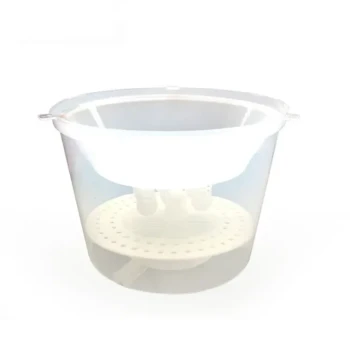
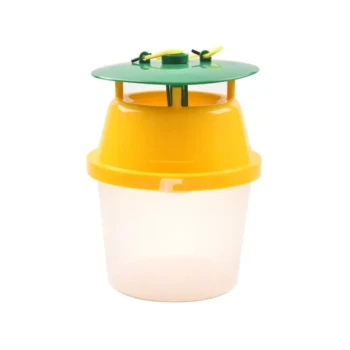
Optimized physical traps function by exploiting the natural behavioral instincts of Small Hive Beetles (SHB), specifically their drive to seek shelter and food sources. These devices use specialized hardware to mimic these attractive environments, luring and confining the beetles to effectively remove them from the colony. Unlike broad-spectrum pesticides, this method targets the pest selectively, ensuring that honey products remain uncontaminated and normal bee activities continue uninterrupted.
Physical traps represent a high-performance biotechnological solution that controls beetle populations by leveraging behavioral mimicry and anatomical differences rather than toxicity, ensuring the safety of the hive's ecosystem.
The Principles of Behavioral Exploitation
To understand how these traps function, it is necessary to look at the biological vulnerabilities they exploit.
Mimicking Natural Harborage
Small Hive Beetles have an instinctual drive to hide from bees and seek protected crevices. Optimized traps are designed to mimic these safe harbors.
By providing a space that feels like a natural refuge, the hardware tricks the beetles into entering a confinement area. Once inside, they are isolated from the colony, preventing them from damaging the comb or reproducing.
Selective Exclusion via Anatomy
A core function of these devices is the ability to separate the pest from the host based on physical size.
Hardware inserts allow the passage of worker bees while blocking or trapping the larger beetles. This ensures that the control method is species-specific, affecting only the intruder while allowing the colony to function normally.
Specialized Trap Configurations
Different physical traps address the beetle problem at various stages of hive management.
Oil-Filled Containment
These traps are specialized containers placed within the hive featuring specific aperture sizes.
The openings are large enough for beetles to enter but too small for bees, preventing accidental by-catch. The container is filled with vegetable or mineral oil, which acts as a lethal barrier, drowning the beetles upon entry without introducing toxins to the hive.
Entrance Regulation Hardware
This method focuses on prevention rather than capture.
Devices like "piqueras" or precision inserts regulate the hive entrance size. They create a defensive checkpoint narrow enough for bees to defend but restrictive against the bulkier adult beetles, effectively blocking them from reaching the hive's core.
Phototactic Light Traps
This solution is designed for processing areas rather than inside the hive.
Adult beetles and wandering larvae exhibit strong phototaxis (attraction to light), particularly at a wavelength of approximately 390nm. Installing these light traps in honey extraction workshops captures displaced beetles, preventing them from establishing secondary infestations in the facility.
Understanding the Trade-offs
While physical traps are safer than chemicals, they require a different management approach.
Maintenance Intensity
Unlike a chemical strip that is set and forgotten, physical traps require active monitoring.
Oil traps must be checked, cleaned, and refilled regularly to remain effective. If they become full or the oil goes rancid, their efficacy drops significantly.
Scope of Application
Physical traps are management tools, not instant eradicators.
They are excellent for reducing population pressure and maintaining low beetle numbers. However, in cases of extreme infestation, they serve best as part of a broader integrated pest management strategy rather than a standalone cure.
Making the Right Choice for Your Goal
Selecting the correct physical trap depends on whether your goal is active reduction inside the hive or preventing access to the facility.
- If your primary focus is in-hive population reduction: Use oil-filled traps to lure and drown beetles that have already breached the hive defenses.
- If your primary focus is colony defense: Install entrance control devices to narrow the entry points, allowing guard bees to physically block beetles from entering.
- If your primary focus is facility hygiene: Implement 390nm light traps in your honey house to capture beetles displaced during the extraction process.
By matching the hardware to the specific behavior you wish to exploit, you create a robust defense that protects the colony without compromising the purity of your honey.
Summary Table:
| Trap Type | Functional Principle | Primary Application | Key Benefit |
|---|---|---|---|
| Oil-Filled Traps | Behavioral mimicry & drowning | Inside the hive (active colony) | Non-toxic, high-efficiency reduction |
| Entrance Regulators | Anatomical exclusion (Size-based) | Hive entrance defense | Prevents beetle entry, assists guard bees |
| Phototactic Light Traps | Attraction to 390nm wavelength | Extraction facilities & workshops | Protects honey processing areas |
| Bottom Board Traps | Instinctual hiding/refuge seeking | Base of the hive | Long-term population management |
Protect Your Colonies with HONESTBEE Professional Solutions
Are you a commercial apiary or a distributor looking for high-performance pest management hardware? HONESTBEE specializes in the full spectrum of beekeeping machinery and tools, offering robust wholesale solutions designed to safeguard your honey purity.
From specialized hive-making and honey-filling machines to advanced physical traps for Small Hive Beetle control, we provide the industrial-grade equipment you need to scale your operations efficiently.
Ready to elevate your beekeeping business? Contact us today for wholesale inquiries and expert consultation.
References
- B. Cornelissen, Peter Neumann. Invasive Species Require Global Efforts: COLOSS Task Force Small Hive Beetle. DOI: 10.1080/0005772x.2021.2008166
This article is also based on technical information from HonestBee Knowledge Base .
Related Products
- Reusable Aluminium Beetle Trap for Small Hive Beetles Silver Bullet
- Reusable Clear Small Hive Beetle Traps for Beehives Beetle Trapping Tools
- Removable Washable Hive Beetle Trap Attractants for Small Hive Beetles
- Black Plastic Beetle Barn Hive Beetle Trap for Beehives
- Plastic Beetle Blaster Trap Beekeeping Tools and Supplies
People Also Ask
- How should powdered substances be used in beetle traps for hive beetle control? Expert Guide for Maximum Colony Protection
- Why are beetle traps less effective during winter? Seasonal Shifts in Pest Control Explained
- When is the best time to use small hive beetle traps in cold climates? Protect Your Honeybee Winter Stores Now
- When and how should disposable traps for small hive beetles be removed? Master Hive Hygiene and Efficiency
- How do small hive beetle traps contribute to colony management? Enhance Diagnostic Accuracy and Protect Hive Health