Beekeepers primarily rely on three specific feeder designs to provide supplemental nutrition to a colony. These are the entrance feeder, the frame feeder, and the top feeder, each distinguished by where it is positioned relative to the hive body.
While all three options effectively deliver syrup, the right choice depends on your climate, how frequently you wish to refill the feed, and whether you prioritize ease of access over preventing robbing by other insects.
The Three Primary Feeder Configurations
The Entrance Feeder
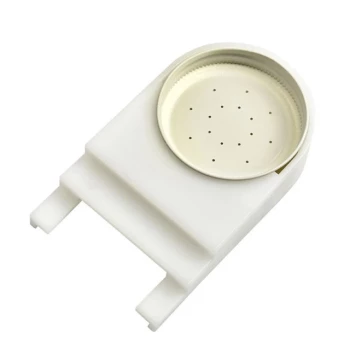
Also frequently called a Boardman feeder, this device consists of a base that slides directly into the front entrance of the hive. It typically utilizes an inverted jar—often a standard mason jar—with small holes in the lid to dispense liquid.
Because the jar sits on the outside of the hive, you can monitor syrup levels instantly without removing the hive covers. It is generally the easiest option to install and refill for beginners.
The Frame Feeder
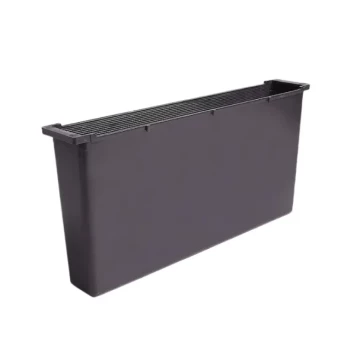
This internal feeder replaces one or two standard frames inside the brood box. Often made of plastic, these feeders feature a narrow, trough-like chamber that hangs continuously within the hive body.
Modern designs include roughened inner walls or ladders to provide a grip for the bees. This texture is critical for safety, as it prevents bees from slipping into the syrup and drowning while they feed.
The Top Feeder
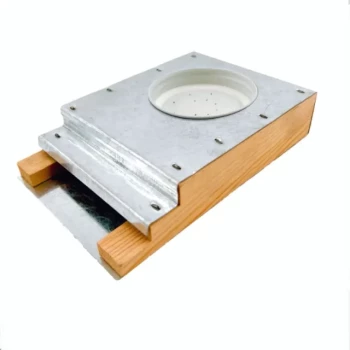
This feeder is placed directly on top of the brood boxes, sitting underneath the outer telescoping cover. It generally occupies the same footprint as a standard super, acting as a dedicated layer for nutrition.
Top feeders usually offer the highest capacity of the three types. They allow the colony to access food through a central entry point while keeping the syrup reservoir separate from the main cluster.
Understanding the Trade-offs
Impact on Hive Temperature
Internal feeders, such as frame and top feeders, keep the syrup closer to the colony's warmth. This is vital in cooler weather, as bees may refuse to consume cold syrup from an exposed entrance feeder.
The Risk of Robbing
Entrance feeders create a distinct vulnerability by placing the scent of sugar syrup directly at the hive's front door. This can attract wasps or robber bees from other colonies, potentially overwhelming a weaker hive.
Disruption During Refilling
Top feeders and entrance feeders allow you to replenish supplies with minimal disruption to the colony. Conversely, a frame feeder requires you to smoke the bees, open the hive, and remove frames to access the trough, which can disturb the colony's workflow.
Making the Right Choice for Your Goal
When selecting the appropriate feeder for your apiary, consider your specific environmental constraints and management style.
- If your primary focus is rapid monitoring: Choose the entrance feeder to check food levels at a glance without ever opening the hive.
- If your primary focus is feeding during cold snaps: Choose the frame feeder or top feeder to keep the food source within the warm, protected interior of the hive.
- If your primary focus is minimizing refill trips: Choose the top feeder, as its large reservoir capacity supports heavy feeding with less frequency.
Select the tool that balances your need for convenience with the colony's need for security and warmth.
Summary Table:
| Feeder Type | Placement | Capacity | Main Advantage | Best Use Case |
|---|---|---|---|---|
| Entrance Feeder | Hive Entrance | Low | Easy level monitoring | Beginners & quick checks |
| Frame Feeder | Inside Brood Box | Medium | Maintains syrup warmth | Cold weather feeding |
| Top Feeder | Above Brood Box | High | Large volume, low refill frequency | Heavy supplemental feeding |
Scale Your Apiary with HONESTBEE Professional Equipment
Maximize your colony's productivity and health with the right feeding infrastructure. HONESTBEE provides commercial apiaries and distributors with premium wholesale solutions, ranging from high-capacity top feeders to advanced hive-making and honey-filling machinery.
Whether you are looking for durable beekeeping tools, specialized hardware, or essential industry consumables, our comprehensive portfolio is designed to support your growth and operational efficiency.
Ready to elevate your wholesale sourcing? Contact HONESTBEE Today to discover how our specialized equipment and cultural merchandise can add value to your business.
Related Products
- Rapid Bee Feeder White Plastic 2L Round Top Feeder for 8 or 10-Frame Bee Hives
- 3.5L Plastic Beehive Frame Feeder Deep Frame Water Feeder for In Hive Use
- HONESTBEE Square Top Hive Bee Feeder Top Bee Feeder
- Professional In-Hive Frame Bee Feeder by HONESTBEE
- HONESTBEE Round Hive Top Bee Feeder for Syrup
People Also Ask
- What should be done with feeders and equipment after feeding bees? Essential Steps for Apiary Health
- What should be done if feed in a feeder is not consumed by the bees? Prevent Hive Mold with Prompt Feed Management
- What is the necessity of specialized internal or entrance feeders? Secure Your Hive with Professional Feeding Tools
- How do bee feeders work to preserve colony health during nectar shortages? Essential Guide for Beekeepers
- How quickly does a medium to strong colony usually empty a feeder? A Beekeeper's Guide to Hive Health