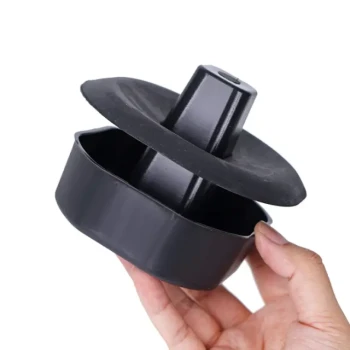
The two most critical design features of a hive stand are strength and stability. While a stand serves many functions, its primary engineering requirement is to possess the structural integrity to support the immense weight of a full colony and the footing to remain upright in varying environmental conditions.
A hive stand acts as the foundational footing for your entire apiary structure. To be effective, it must be robust enough to hold multiple boxes of honey and stable enough to prevent catastrophic tipping, regardless of the terrain.
The Pillars of Hive Stand Design
Critical Feature 1: Strength
Strength is non-negotiable because a mature beehive is deceptively heavy. As the season progresses, you will stack multiple supers filled with honey on top of the brood boxes.
The stand must support this cumulative static load without bowing, buckling, or collapsing. If the stand fails structurally, the entire colony risks destruction, and the beekeeper faces significant financial loss.
Critical Feature 2: Stability
Stability prevents the hive from tipping over due to external forces or uneven ground. A hive is essentially a tall, vertical stack that can become top-heavy.
A stable design ensures the stand remains level and grounded during high winds, accidental bumps, or shifting soil conditions. Without a stable footprint, even a strong stand becomes a hazard.
Why These Features Support Core Functions
Facilitating Elevation
While the goal is to elevate the hive, strength and stability make this safe. Elevation is necessary to keep the bottom board dry and prevent ground moisture from rotting the woodenware.
By securely holding the hive off the ground, the stand also helps insulate the colony from cold earth and protects the entrance from being blocked by vegetation or pests.
Enabling Ergonomics
A stable stand allows you to position the hive at a working height that reduces back strain.
However, raising the center of gravity requires an even more stable base. Design strength ensures that the stand does not wobble while you are manipulating heavy frames during inspections.
Understanding the Trade-offs
Ergonomics vs. Stability
There is often a tension between the height of the stand and its stability. A taller stand is better for your back, but it raises the center of gravity, making the hive more prone to tipping in high winds.
Portability vs. Durability
Lightweight materials make a stand easier to move but may compromise the sheer mass required for stability. Conversely, heavy permanent stands (like concrete blocks) offer immense stability but lack the flexibility to be relocated easily if the apiary needs to move.
Making the Right Choice for Your Apiary
When evaluating a design or purchasing a stand, prioritize your specific environmental context.
- If your primary focus is maximum honey production: Prioritize strength to ensure the stand can support the extreme weight of multiple heavy supers without bowing.
- If your primary focus is a windy or uneven location: Prioritize stability by selecting a stand with a wide footprint or legs that can be leveled individually.
- If your primary focus is beekeeper comfort: Ensure the stand is strong enough to remain rigid at a higher elevation to prevent wobbling while you work.
A well-designed stand is the unsung hero of the apiary, providing the silent assurance that your bees are safe and secure.
Summary Table:
| Feature | Primary Function | Benefit to Beekeeper |
|---|---|---|
| Strength | Supports massive weight of honey supers | Prevents structural collapse and financial loss |
| Stability | Provides a wide, level footprint | Prevents tipping from wind, bumps, or uneven ground |
| Elevation | Keeps bottom board off the ground | Reduces rot, pests, and moisture damage |
| Ergonomics | Sets hives at a manageable height | Minimizes back strain during heavy frame inspections |
Secure Your Apiary Foundations with HONESTBEE
A hive is only as safe as the stand it sits on. At HONESTBEE, we specialize in providing commercial apiaries and distributors with high-performance beekeeping tools and machinery engineered for maximum durability. Whether you need heavy-duty hardware to support high-yield honey production or specialized honey-filling machines to streamline your operations, our comprehensive wholesale portfolio has you covered.
Ready to scale your beekeeping business with professional-grade equipment?
Contact us today to explore our full range of hive solutions!
Related Products
- Plastic Bee Hive Stand for Beekeeping
- Metal Hive Feet Bee Hive Stand for Ant Protection
- Metal Bee Hive Stand Bee Box Stand for Beekeeping
- Professional Ant-Proof Beehive Stand with Integrated Moat for Beekeeping
- Professional Galvanized Steel Frame Rest for Beehives
People Also Ask
- What are the benefits of elevating a bee hive with a stand or base? Protect Your Colony and Your Back
- What are the essential technical specifications for a high-quality bee hive stand? Maximize Stability and Hive Safety
- What are the potential risks of plastic bee hive stands? Avoid Structural Failure in Your Apiary
- What height should a bee hive stand be? Optimize for Your Back and Hive Health
- Why are specialized beehive stands or protective barriers necessary for pest management in apiaries? Secure Your Colony