A typical 10-frame Langstroth hive is a modular, vertical structure designed to house a colony’s brood and surplus honey.
The standard configuration consists of a hive stand, a bottom board, an entrance reducer, two hive bodies (for the brood nest), one or two honey supers, an inner cover, and a weather-resistant outer cover.
The brilliance of the Langstroth design lies in its modularity; standardized components are stacked vertically to allow the hive to expand upward as the colony grows and honey production increases.
Building from the Ground Up
The foundation of the hive protects the colony from ground moisture and pests while providing a landing zone for foragers.
The Hive Stand
This acts as the base, elevating the hive off the ground.
It protects the wooden components from rot caused by soil moisture and helps deter pests like ants from easily accessing the colony.
The Bottom Board
Resting directly on the stand, this serves as the floor of the hive.
It creates the primary entrance and exit for the bees and supports the weight of all the boxes stacked above it.
The Entrance Reducer
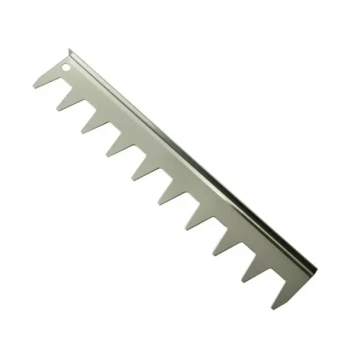
This is a small strip of wood or metal placed at the opening of the bottom board.
It regulates airflow and helps the colony defend against robbers or cold weather by shrinking the size of the entryway.
The Brood Chamber
The lower section of the stack is dedicated to the queen and the rearing of new bees.
Two Hive Bodies
The primary reference specifies the use of two hive bodies to serve as the brood chamber.
These are typically deep boxes where the queen lays eggs and the colony stores immediate food reserves (pollen and nectar) for the winter.
Ten Frames Per Box
Inside every hive body or super, there are ten frames holding the wax foundation.
These frames provide the structural support for the bees to build the honeycomb used for raising brood and storing food.
The Honey Storage System
Once the brood chamber is established, the upper section of the hive is dedicated to surplus production.
Honey Supers
Placed on top of the brood boxes, one or two supers are used specifically for storing surplus honey that the beekeeper will eventually harvest.
These boxes function identically to hive bodies but are often shallower to keep the weight manageable when full of honey.
The Queen Excluder (Optional)
While not strictly mandatory, this grid is often placed between the upper brood box and the first honey super.
It prevents the queen from moving up and laying eggs in the honey supers, ensuring the honey harvested is clean of brood.
Ventilation and Protection
The top components regulate the internal environment and shield the colony from the elements.
The Inner Cover
This sits directly on top of the highest box.
It provides a layer of insulation, creates proper ventilation, and prevents the bees from gluing the heavy outer cover down with propolis.
The Outer Cover
Often called a telescoping cover, this is the roof of the hive.
It fits over the inner cover and extends slightly down the sides of the top box, shedding rain and protecting the hive from harsh weather.
Understanding the Trade-offs
While the 10-frame Langstroth is the industry standard, it presents specific physical challenges.
Weight Considerations
A fully loaded 10-frame deep box can weigh upwards of 80 to 90 pounds.
This makes inspections and harvesting physically demanding, which is why many beekeepers prefer using shallower boxes (mediums) for honey supers.
Resource Management
A 10-frame setup offers maximum internal volume, which is excellent for large, booming colonies in areas with heavy nectar flow.
However, in weaker colonies, the bees may struggle to defend and heat such a large space, potentially requiring you to reduce the hive size temporarily.
Making the Right Choice for Your Goal
The components you choose to stack will depend on the current season and your colony's strength.
- If your primary focus is establishing a new colony: Focus on the bottom board and a single deep hive body until the bees have drawn out the comb on most frames.
- If your primary focus is winter survival: Ensure the colony has filled two deep hive bodies with brood and food stores before adding any honey supers.
- If your primary focus is honey production: Add honey supers one at a time, only after the bees have filled the majority of the frames in the box below it.
Success with a Langstroth hive comes from managing this vertical space to match the population of your bees.
Summary Table:
| Component | Primary Function | Typical Quantity |
|---|---|---|
| Hive Stand & Bottom Board | Foundation, moisture protection, and hive entrance. | 1 Each |
| Hive Bodies (Deeps) | Brood chamber where the queen lays eggs and stores winter food. | 2 |
| Honey Supers | Storage area for surplus honey intended for harvest. | 1 - 2+ |
| Frames & Foundation | Structural support for bees to build wax honeycomb. | 10 per box |
| Inner & Outer Covers | Insulation, ventilation, and weather-resistant roofing. | 1 Each |
| Entrance Reducer | Regulates airflow and assists in hive defense. | 1 |
Scaling Your Beekeeping Operation?
HONESTBEE is the premier partner for commercial apiaries and distributors worldwide. Whether you are expanding your honey production or stocking your retail shelves, we provide the industrial-grade solutions you need to succeed.
Our Comprehensive Wholesale Portfolio Includes:
- Precision Machinery: Hive-making and honey-filling machines to automate your production.
- High-Quality Hardware: Durable 10-frame Langstroth components, tools, and specialized equipment.
- Industry Consumables: A wide array of essential supplies to keep your colonies thriving.
- Cultural Merchandise: Unique honey-themed products to diversify your brand's reach.
Contact HONESTBEE Today to access our full spectrum of beekeeping tools and machinery. Let us help you build a more productive and efficient apiary.
Related Products
- Durable Plastic Frame Spacer
- Rapid Bee Feeder White Plastic 2L Round Top Feeder for 8 or 10-Frame Bee Hives
- Stainless Steel 9 Frame Hive Spacer Durable Precise for Commercial Beekeeping
- Long Langstroth Style Horizontal Top Bar Hive for Wholesale
- Wooden Bee Hive Frames for Beekeeping and Wholesale
People Also Ask
- Are plastic bee hive frames good? A Guide to Modern Durability vs. Natural Appeal
- Are plastic bee frames good? A Guide to Durability, Efficiency & Bee Acceptance
- What are the advantages of using Standard Langstroth 10-frame equipment? Scale Your Commercial Apiary Efficiency
- How do you clean plastic frames? A Gentle Guide to Preserving Your Frames
- How must plastic frames be prepared for bees? Expert Tips for 100% Acceptance & Success