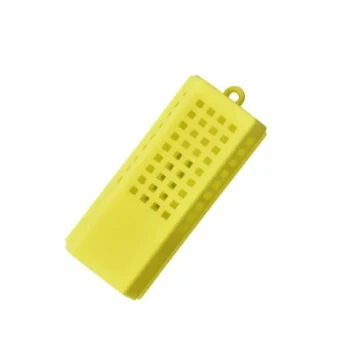
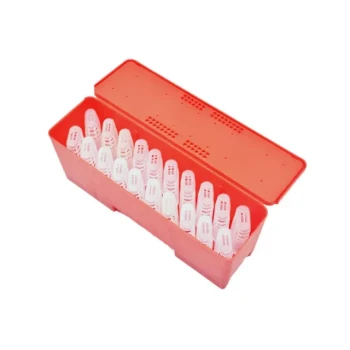
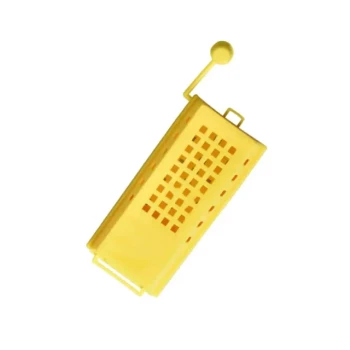
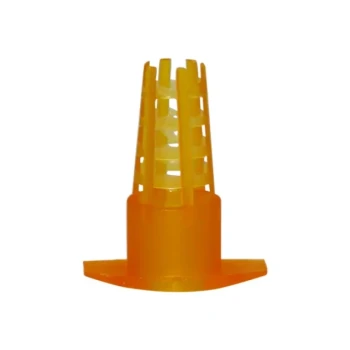
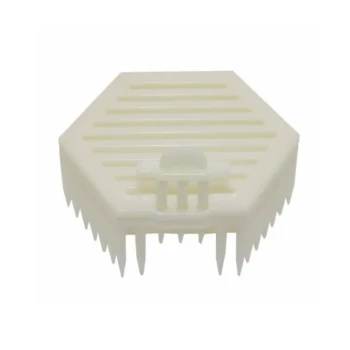
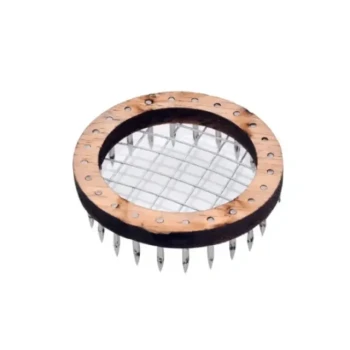
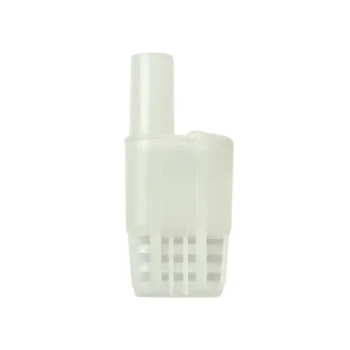
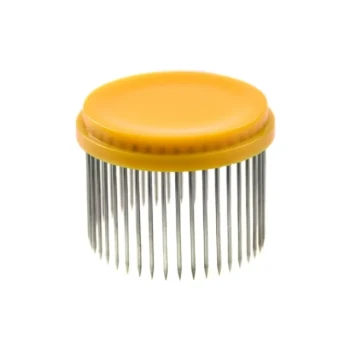
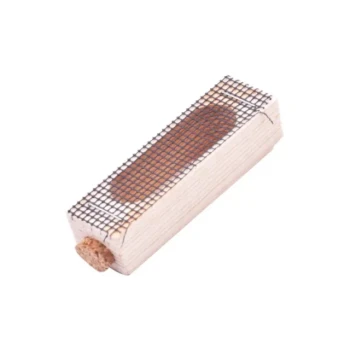
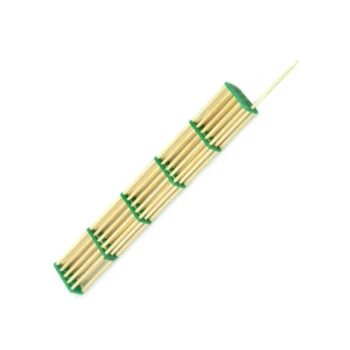
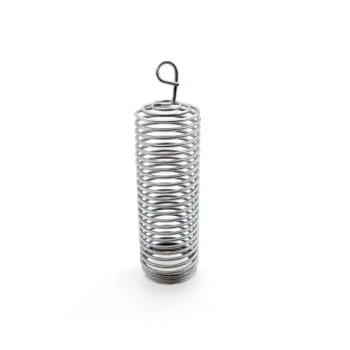
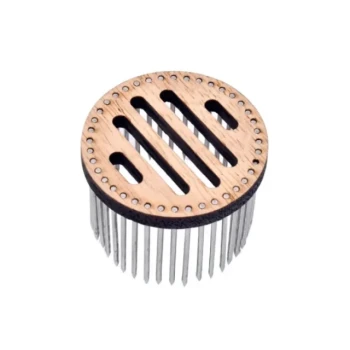
Plastic queen cages are robust shipping enclosures designed specifically to protect queen bees during transit and facilitate their introduction into new hives. Key features include a durable structure with extensive ventilation slots, a designated "hiding" area to reduce queen stress, and a built-in tube for candy that provides nutrition while serving as a timed release mechanism.
The effectiveness of a plastic queen cage lies in its dual purpose: it provides physical armor against crushing during shipping while simultaneously acting as a slow-release introduction device once placed in the hive.
Structural Design and Durability
Robust Physical Protection
Plastic cages are engineered to be strong. This rigid exterior provides essential structural protection, ensuring the queen is not crushed or harmed by physical stress during the shipping process.
Ventilation and Pheromone Dispersal
These cages feature a high density of openings. This design allows for maximum air circulation, which is critical for the survival of the queen and her attendants.
Facilitating Acceptance
Beyond oxygen, the ventilation slots allow the queen's pheromones to disperse into the hive. This helps the colony acclimate to her scent before she is released, increasing acceptance rates.
Internal Features for Queen Safety
The Shielded Hiding Area
A distinct feature of many plastic cages is a solid, shielded section. This provides a dark, secure retreat where the queen can hide if she feels insecure or threatened.
Space for Attendant Bees
The internal volume is designed to accommodate not just the queen, but also her attendant bees. These attendants are necessary to groom and feed the queen, maintaining her vitality during transport.
The Release Mechanism
The Integrated Candy Tube
Plastic cages typically include a long tube designated for sugar candy. This serves as the primary energy source to buffer against temperature fluctuations and vibration stress.
Delayed Release Functionality
The candy tube acts as a timer. As the colony bees eat through the candy to reach the queen, it creates a necessary delay. This ensures the hive has accepted her pheromones before she is physically released.
Understanding the Constraints
Volume Limitations
While highly effective for individual units, the primary reference notes these cages are best suited for shipping small to medium orders. Large-scale bulk shipments may require different logistical configurations.
Dependency on Candy Consistency
The release mechanism relies entirely on the candy tube. If the candy is packed too loosely or consumed too quickly, the queen may be released before the colony is ready to accept her.
Making the Right Choice for Your Goal
To select the right equipment for your apiary needs, consider these specific applications:
- If your primary focus is queen survival during transit: Rely on plastic cages for their rigid structural integrity and ability to house attendant bees for grooming.
- If your primary focus is successful introduction: Ensure the cage features a long candy tube to guarantee a sufficiently delayed release for pheromone acclimation.
- If your primary focus is shipping logistics: Utilize these cages for small to medium-sized orders where individual queen protection is the highest priority.
By leveraging the shielded design and controlled release features of plastic cages, you ensure high acceptance rates and optimal egg-laying performance after introduction.
Summary Table:
| Feature | Function & Benefit |
|---|---|
| Rigid Plastic Body | Provides structural armor to prevent crushing during transit. |
| Ventilation Slots | Ensures oxygen flow and allows pheromone dispersal for hive acceptance. |
| Shielded Hiding Area | Reduces queen stress by providing a dark, secure retreat. |
| Integrated Candy Tube | Provides nutrition and acts as a timed-release mechanism for the queen. |
| Attendant Capacity | Space for worker bees to groom and feed the queen during shipping. |
Scale Your Apiary Operations with HONESTBEE
As a professional beekeeper or distributor, ensuring the survival of your queens is paramount to your success. HONESTBEE specializes in providing commercial-grade beekeeping tools, machinery, and essential consumables designed for efficiency and reliability.
From high-durability plastic queen cages and hive-making equipment to automated honey-filling machines, our comprehensive wholesale portfolio is built to support large-scale operations and industry suppliers worldwide. Partner with us to access premium hardware and expert solutions tailored to your business needs.
Ready to upgrade your equipment? Contact us today to explore our wholesale offerings!
Related Products
- Durable Plastic Push In Queen Bee Cage
- Professional Multi-Compartment Queen Cage with Sliding Lid
- Plastic Queen Marking Tube Cage with Plunger for Beekeeping
- Professional Queen Bee Introduction and Transport Cage
- JZBZ Style Professional Battery Box with 20 Shipping Cages
People Also Ask
- What advantages do push-in queen cages offer? Boost Acceptance Rates for Artificially Inseminated Queens
- What is a push-in queen cage and how does it differ from a standard queen cage? Boosting Your Queen Acceptance Rates
- How can a beekeeper obtain a push-in queen cage? DIY vs. Professional Sourcing Guide
- Why are specialized queen bee cages used for the banking of mated queen bees? Maximize Commercial Apiary Storage Efficiency
- What is a push-in queen cage and how does it differ from standard cages? Achieve Higher Queen Acceptance Rates