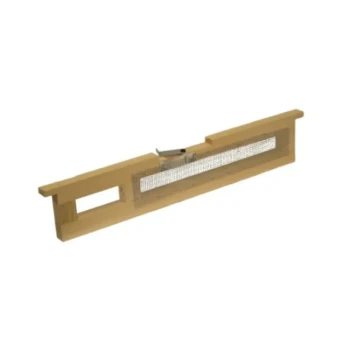
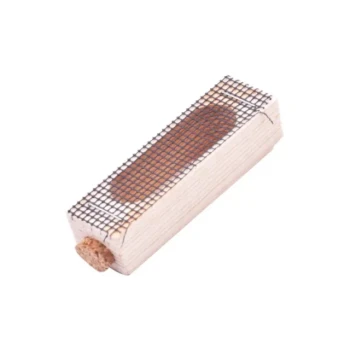
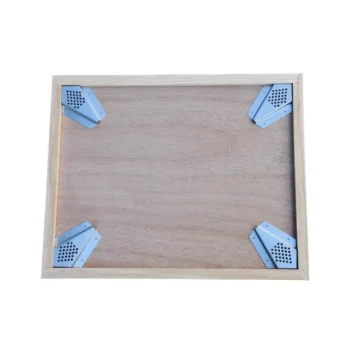
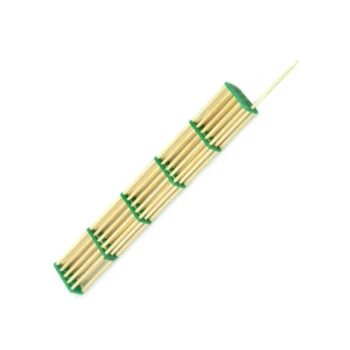
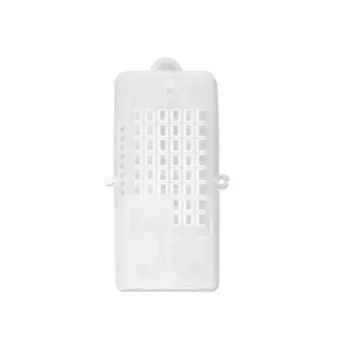
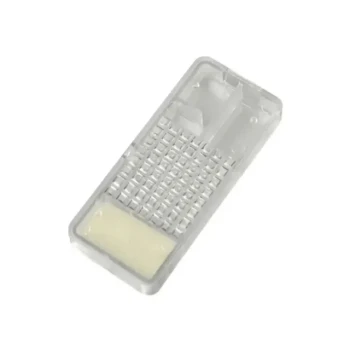
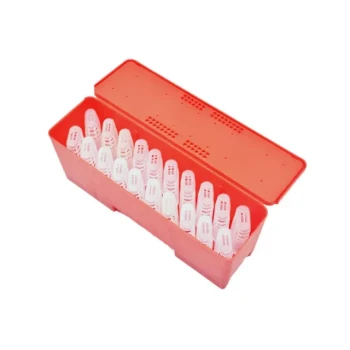
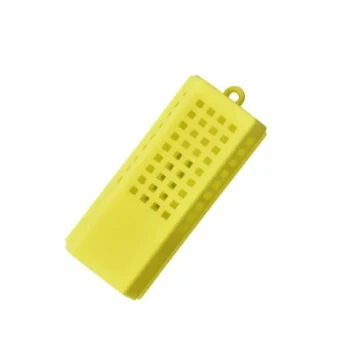
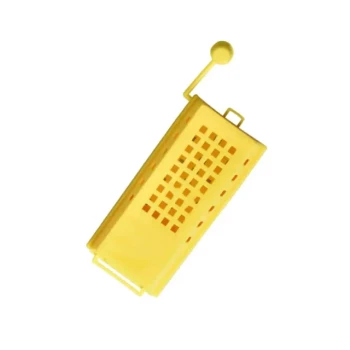
Wooden experimental bee cages function as standardized isolation units designed to facilitate artificial infection studies by creating a highly controlled laboratory micro-environment. These cages enable researchers to precisely manage pathogen intake and feeding regimens while maintaining constant temperature and humidity levels, ensuring that mortality data is attributed solely to the infection rather than external environmental stressors.
By eliminating natural variables such as weather fluctuations, predation, and colony dynamics, these cages transform the honeybee lifespan into a measurable constant, allowing for definitive data on pathogen virulence and infection outcomes.
Establishing a Controlled Micro-Environment
Standardization of Atmospheric Conditions
To ensure reproducibility, wooden experimental cages are designed to maintain a stable internal climate. The primary reference highlights the maintenance of a constant temperature of 25°C and a relative humidity of 65%.
Elimination of Environmental Interference
The physical structure of the cage acts as a barrier against the natural variability found in field studies. This design excludes fluctuating weather patterns and other external stressors that could skew physiological data.
Facilitating Precise Infection Protocols
Regulating Pathogen Intake
In artificial infection experiments, particularly those involving Nosema, control over dosage is paramount. These cages allow researchers to administer specific spore counts to isolated bees, ensuring the infection load is uniform across test subjects.
Precise Feeding Management
The confinement provided by the cage architecture enables strict dietary monitoring. Researchers can measure exactly how much food or medicated syrup is consumed by specific cohorts, such as 15-20 day old summer flight bees.
Ensuring Data Integrity
Accurate Mortality Statistics
The primary function of these cages in infection studies is to generate clean survival data. By isolating the bees, researchers can record cumulative mortality rates accurately without the noise of natural hive losses.
Preventing Natural Loss Factors
In a field setting, bees are lost to predation or straying (drifting to other hives). Experimental cages eliminate these factors entirely, ensuring that every bee death recorded is relevant to the experimental parameters.
Critical Considerations for Experimental Validity
The Necessity of Environmental Stability
While the cages provide the structure for isolation, the validity of the data relies on the strict maintenance of the 25°C and 65% RH parameters. Deviating from these specific environmental constants can introduce stress variables that invalidate the infection results.
Isolation vs. Social Context
These cages focus on the individual or small group response to infection by excluding colony interactions. It is crucial to recognize that this method deliberately prioritizes physiological control over the natural social complexity of a full hive environment.
How to Apply This to Your Project
When designing your artificial infection protocol, utilize wooden experimental cages to isolate variables based on your specific research metrics:
- If your primary focus is Pathogen Virulence: utilize the cage's isolation features to control exact spore intake and eliminate cross-contamination from straying bees.
- If your primary focus is Lifespan Analysis: rely on the cage's ability to exclude predation and maintain stable temperature/humidity to ensure mortality is driven only by the infection.
Success in artificial infection experiments relies not just on the pathogen used, but on the rigor of the exclusion barriers provided by your housing units.
Summary Table:
| Feature | Function in Infection Experiments | Key Benefit |
|---|---|---|
| Climate Control | Maintains 25°C and 65% RH | Eliminates environmental stress variables |
| Dietary Isolation | Precise administration of syrups/pathogens | Ensures uniform dosage and intake tracking |
| Physical Barrier | Prevents predation, drifting, and weather exposure | Guarantees mortality data is pathogen-specific |
| Social Exclusion | Isolates small groups from colony dynamics | Focuses data on individual physiological response |
Elevate Your Bee Research and Commercial Operations with HONESTBEE
At HONESTBEE, we understand that precision is the backbone of successful beekeeping, whether in the lab or the field. As a leading supplier for commercial apiaries and global distributors, we provide a comprehensive range of professional-grade beekeeping tools, specialized hive-making machinery, and honey-filling equipment designed for maximum efficiency.
From essential industry consumables to unique honey-themed cultural merchandise, our wholesale solutions are tailored to help your business thrive. Partner with us to secure high-quality equipment that delivers results.
Contact HONESTBEE Today for Wholesale Inquiries
References
- Aneta A. Ptaszyńska, Dorota Gryko. Porphyrins inactivate Nosema spp. microsporidia. DOI: 10.1038/s41598-018-23678-8
This article is also based on technical information from HonestBee Knowledge Base .
Related Products
- Professional Wooden Requeening Frame for Beekeeping
- Classic Wooden and Mesh California Queen Cage
- Premium Wood and Steel Push In Queen Cage
- Wood and Mesh Push-In Queen Cage
- Assembled Wooden Bee Frames with Beeswax Foundation Ready to Use by HONESTBEE
People Also Ask
- What are the primary functions of beekeeping frames? Boost Efficiency with Professional Hive Management
- What are the best practices for assembling beekeeping frames? Pro Tips for Maximum Durability & Efficiency
- How are deep, medium, and shallow frames typically used in beekeeping? Optimize Your Hive Setup
- What are the characteristics of wooden frames in beekeeping? Unlock Natural Flexibility & Cost-Effectiveness
- What are the common specifications for wooden beekeeping frames used in colony expansion? Your Complete Guide