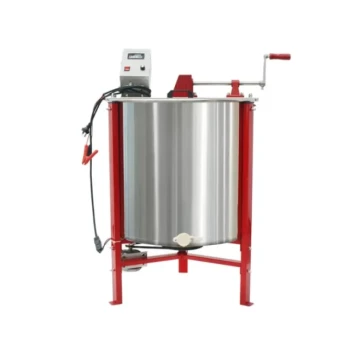
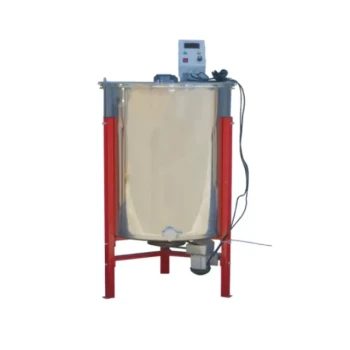
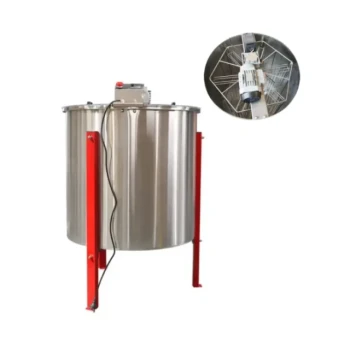
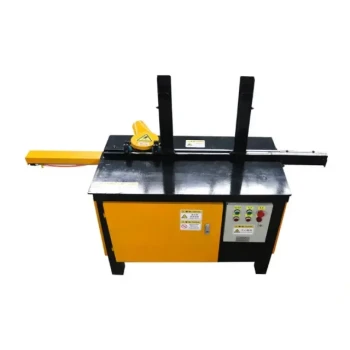
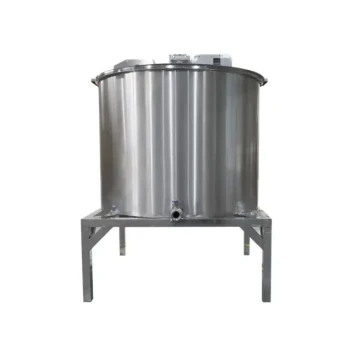
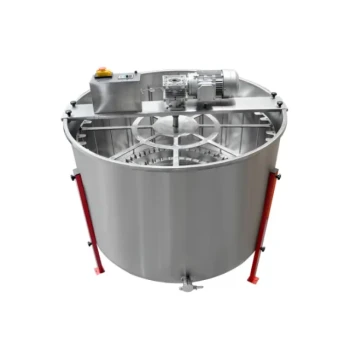
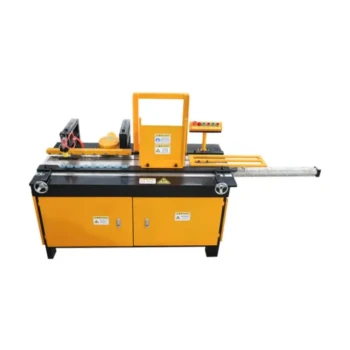
Preserving the structural integrity of the honeycomb is the fundamental technical challenge addressed by specialized bee bread extraction machinery. These systems are engineered to dislodge highly compressed pollen pellets from individual cells without crushing, melting, or destroying the wax comb, effectively solving the destructive nature of traditional manual harvesting methods.
The central innovation of this machinery is the ability to decouple the extraction process from the destruction of the hive's infrastructure. By removing compressed bee bread while leaving the comb intact, these systems transform a consumable resource into a reusable asset, essential for high-volume and sustainable apiculture.
The Engineering Conflict: Compression vs. Fragility
Overcoming Material Density
The primary difficulty in harvesting bee bread lies in its physical state. Bees pack pollen into honeycomb cells under significant pressure to create highly compressed pellets.
Removing these pellets requires a degree of force that typically exceeds the structural yield strength of the wax walls surrounding them. Specialized machinery is designed to apply the necessary extraction force specifically to the pellet, not the container.
The Cost of Traditional Methods
In traditional low-tech harvesting, the extraction process is inherently destructive. To access the compressed bread, the honeycomb is often crushed or broken apart.
This method treats the honeycomb as a single-use packaging material rather than permanent infrastructure. It forces the colony to expend significant energy rebuilding the wax comb rather than focusing on honey or brood production.
Operational Impact of Non-Destructive Extraction
Maintaining Hive Infrastructure
The defining feature of specialized extraction machinery is non-destructive harvesting. By preserving the integrity of the comb structure, the machinery allows beekeepers to return the empty combs immediately to the hive.
This cycle drastically reduces the biological "cost" to the bees. The colony retains its infrastructure, allowing for faster recovery and continued productivity.
Enabling High-Volume Scalability
Manual or destructive methods are bottlenecks that limit the scale of production. Specialized machinery automates the separation of bread from wax, enabling high-volume harvesting that would be labor-prohibitive otherwise.
This shift allows commercial operations to standardize bee bread production as a reliable revenue stream rather than a niche byproduct.
Understanding the Trade-offs
Equipment Specialization vs. Versatility
While effective, these machines are highly specialized tools designed for a singular purpose. Unlike general honey extractors (centrifuges), machines designed for compressed pellets operate on different mechanical principles.
investing in this technology represents a capital commitment to a specific product line (bee bread) rather than a general-purpose apiculture tool.
Operational Complexity
Transitioning from destructive harvesting (crushing) to precision extraction introduces mechanical complexity. Operators must ensure the machinery is calibrated to handle combs without causing the very damage it is designed to prevent.
Making the Right Choice for Your Goal
When evaluating whether to integrate specialized bee bread extraction machinery into your operation, consider your production targets:
- If your primary focus is Sustainability and Hive Health: This machinery is essential because it preserves the wax comb, allowing bees to conserve energy they would otherwise spend rebuilding.
- If your primary focus is High-Volume Production: The automation provided by these systems is the only viable path to harvesting bee bread at a commercial scale without destroying your inventory of drawn comb.
By shifting from extraction-by-destruction to extraction-by-preservation, you protect the colony's most valuable asset: its home.
Summary Table:
| Feature | Traditional Manual Harvesting | Specialized Extraction Machinery |
|---|---|---|
| Comb Integrity | Destructive (Crushed/Broken) | Non-Destructive (Intact/Reusable) |
| Extraction Method | Manual crushing of cells | Precision mechanical decoupling |
| Bee Energy Cost | High (must rebuild wax) | Low (infrastructure remains) |
| Production Scale | Niche / Low-volume | Commercial / High-volume |
| Primary Benefit | Low initial equipment cost | Maximum sustainability & scalability |
Scale Your Bee Bread Production with HONESTBEE
Maximize your apiary's efficiency and preserve your most valuable assets with professional-grade machinery. HONESTBEE provides commercial apiaries and distributors with the specialized tools needed to transition from destructive harvesting to sustainable, high-volume production.
Our comprehensive wholesale range includes:
- Advanced extraction & hive-making machinery
- Precision honey-filling solutions
- Full-spectrum beekeeping tools and essential consumables
Don't let manual extraction bottleneck your growth. Empower your operation with equipment designed for the modern commercial scale. Contact HONESTBEE today to discuss our wholesale solutions and see how we can enhance your productivity.
References
- Adriana Cristina Urcan, Rodica Mărgăoan. Chemical Composition and Biological Activities of Beebread – Review. DOI: 10.15835/buasvmcn-asb:12646
This article is also based on technical information from HonestBee Knowledge Base .
Related Products
- Stainless Steel 3 Frame Manual Honey Extractor Spinner for Bee Honey Extraction
- Stainless Steel Manual 8 Frame Radial Honey Extractor Machine for Beehives
- HONESTBEE Top Bar & Bottom Bar Forming Machine | Bee Frame Machine
- HONESTBEE 2 Frame Manual Acrylic Honey Extractor Beekeeping Equipment
- Professional Bee Frame Machine for Side Bar Shaping
People Also Ask
- Which type of honey extractor is generally more durable? Focus on Material & Build Quality for Longevity
- What are the disadvantages of a manual honey extractor? Overcome Efficiency Bottlenecks in Your Apiary
- What is a manual honey extractor? The Essential Guide to Cost-Effective Beekeeping for Beginners
- Why are manual extractors popular among beginner beekeepers? A Guide to Starting Simple & Saving Money
- What are the primary advantages of utilizing a manual honey extractor? Cost-Effective & Gentle Harvesting