Minimizing the risk of stings during hive inspections requires a professional synergy of environmental timing and disciplined behavioral techniques. To achieve the safest results, perform inspections in clear, sunny weather between 10:00 AM and 2:00 PM, when most foragers are away from the colony. Wear light-colored clothing, avoid scented products, and maintain slow, deliberate movements to prevent triggering the bees' defensive instincts.
Successful apiary management relies on aligning human intervention with natural honeybee cycles and environmental conditions. By combining expert behavioral practices with professional-grade equipment, operators ensure both personnel safety and long-term colony productivity.
Optimizing the Environmental Window for Safety
Strategic Timing and Weather Conditions
Professional inspections should only occur during clear, sunny weather to ensure the lowest possible colony aggression. Avoid working in wind, rain, or cold temperatures, as these conditions keep defensive older bees inside the hive.
The optimal operational window is between 10:00 AM and 2:00 PM. During this time, a significant portion of the foraging population is out in the field, reducing the density of bees within the hive.
The Impact of Visual and Olfactory Triggers
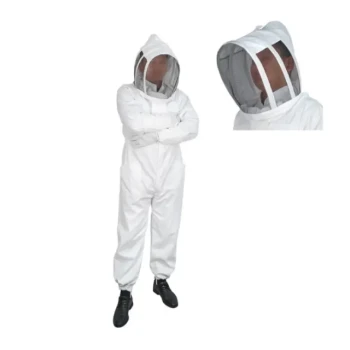
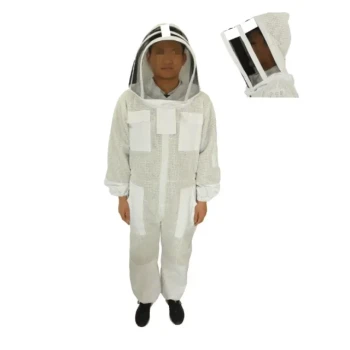
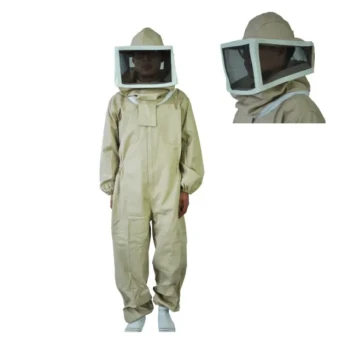
Bees are naturally more aggressive toward dark or textured materials that mimic natural predators. Experts recommend wearing white or light-colored clothing to remain neutral in the bees' visual field.
Odor management is equally critical for safety. Avoid perfumes, scented soaps, or heavy fragrances, as these can be perceived as foreign threats or pheromone disruptions.
Behavioral Precision and Professional Equipment
Mastering Calm and Steady Movements
Bees react instinctively to sudden vibrations or rapid motion. Maintaining slow, steady, and gentle movements is the hallmark of a professional apiarist.
Avoid the natural impulse to swat or run if a bee approaches. These actions signal a threat and can escalate a single defensive bee into a colony-wide response.
Strategic Use of Bee Smokers
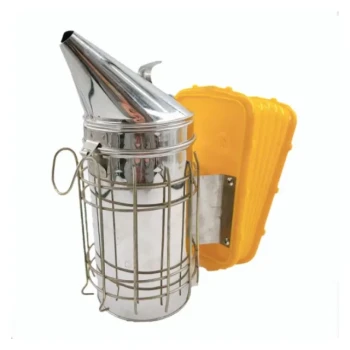
The smoker is a vital tool for disrupting the bees' alarm pheromones. Using a bee smoker effectively masks communication between bees and encourages them to gorge on honey, making them more docile.
A controlled, cool smoke application allows for a more efficient workflow. This professional technique ensures that inspections are completed quickly without unnecessary stress to the colony.
Understanding the Trade-offs and Common Pitfalls
The Risks of Over-Smoking
While smoke is an essential safety tool, excessive smoking can be counterproductive. Over-smoking can distress the queen or cause the bees to become disorganized, making it harder to assess colony health accurately.
Neglecting Consistent Documentation
Speed should never come at the cost of data. Failing to maintain a detailed beekeeping journal during or immediately after inspections can lead to missed signs of disease or pest infestations.
Regular and consistent inspections are necessary, but they must be balanced. Opening the hive too frequently disrupts the internal temperature and humidity, potentially stalling brood development.
Strategic Recommendations for Your Operations
Effective hive management is a combination of professional-grade tools and expert-level methodology. Ensuring your teams or clients have access to both is the key to operational success.
- If your primary focus is Professional Safety: Prioritize the sourcing of high-quality, light-colored protective gear and premium smokers to ensure maximum operator protection.
- If your primary focus is Operational Efficiency: Implement a strict inspection schedule centered around the 10:00 AM to 2:00 PM window to minimize downtime and colony disruption.
- If your primary focus is Colony Health and Longevity: Emphasize the use of detailed documentation and journals to track long-term trends and identify health issues before they become critical.
By integrating these environmental and behavioral strategies, you can transform hive inspections from a high-risk task into a precise, professional standard of apiary management.
Summary Table:
| Strategy Category | Key Action | Benefit |
|---|---|---|
| Optimal Timing | Inspect 10 AM - 2 PM on sunny days | Fewer defensive foragers present in the hive |
| Visual/Olfactory | Wear light clothing; avoid scents | Reduces natural defensive and predatory triggers |
| Physical Behavior | Maintain slow, deliberate movements | Prevents triggering a colony-wide alarm response |
| Tool Mastery | Controlled use of bee smokers | Effectively masks alarm pheromones for docility |
Elevate Your Apiary Operations with HONESTBEE Wholesale Solutions
As a leading partner for commercial apiaries and B2B resellers, HONESTBEE provides a comprehensive, one-stop sourcing experience for all your beekeeping needs. We supply a full spectrum of premium equipment—from specialized hive-making and honey-filling machinery to high-quality protective gear and essential industry consumables.
Why Partner with HONESTBEE?
- Comprehensive Portfolio: Access everything from hardware to honey-themed cultural merchandise.
- B2B Advantage: Benefit from competitive wholesale margins, OEM/ODM support, and reliable supply chains.
- Rapid Fulfillment: Experience ultra-fast delivery and dedicated customer service tailored to professional distributors.
Enhance your inventory with professional-grade equipment that ensures safety and efficiency. Contact our expert team today to discuss your wholesale needs.
Related Products
- Beekeeping Jacket with Hood and Veil for Beekeepers
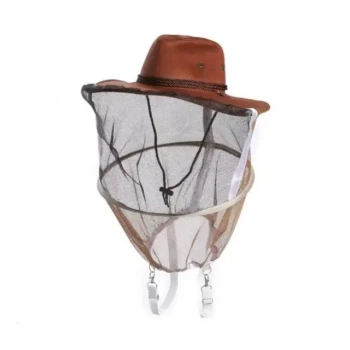
- Premium Cowboy Beekeeper Hat with Visibility Veil Outdoor Professional Beekeeping Protective Gear
- Premium Cotton Beekeeper Suit with Reinforced Fencing Veil
- Beekeeping Gloves Goatskin Leather with Long Cotton Sleeve for Beekeepers
- White Cotton Beekeeping Jacket and Veil for Bee Keepers
People Also Ask
- What factors should a new beekeeper consider when choosing between a jacket and a full suit? Security vs. Comfort
- What are the pros of using a beekeeping jacket? Unlock Superior Comfort and Mobility for Your Apiary
- What are the features of an economical beekeeping jacket? Essential Protection for Budget-Conscious Beekeepers
- When is a beekeeping jacket considered a more suitable choice than a full suit? Optimize Your Apiary Mobility
- What are the advantages of a beekeeping jacket? Superior Mobility & Comfort for Routine Hive Inspections