Standard beekeeping safety requires a comprehensive protective system consisting of a full bee suit, a hat with a securely attached veil, and gloves. Beyond personal protection, the essential maintenance tools required for managing the colony include a smoker for calming bees and a hive tool for separating hive components.
Core Takeaway Beekeeping safety is not just about armor against stings; it is about creating an environment where you can work calmly and efficiently. Investing in breathable gear and maintaining a strict sanitation routine safeguards both the beekeeper’s focus and the colony’s health.
The Protective Barrier
The Bee Suit and Veil
A standard full bee suit provides the necessary physical barrier against stings. However, ventilated gear is highly recommended, particularly for work in hot weather.
Ventilated suits protect you while allowing air circulation. This keeps you cool, which is critical for remaining focused and calm during intricate inspections.
The hat and veil are the most vital components for personal safety. The veil must offer a clear line of sight and attach securely to the suit to prevent any gaps where bees could enter.
Hand Protection
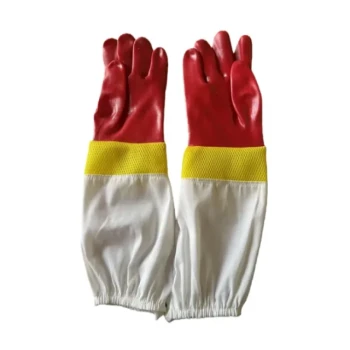
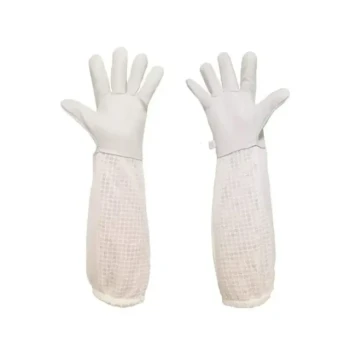
Gloves are a necessity for every beekeeper. They serve as the primary defense for your hands, which are closest to the colony during inspections.
You must select gloves that provide a balance between dexterity and protection. You need enough sensitivity to handle frames gently, but sufficient thickness to prevent stings.
Essential Operational Tools
The Smoker
The smoker is the fundamental tool for colony management. It is used to puff cool smoke into the hive, which calms the bees and masks alarm pheromones.
Using a smoker allows you to open the hive and inspect the colony with significantly less aggression from the bees.
The Hive Tool
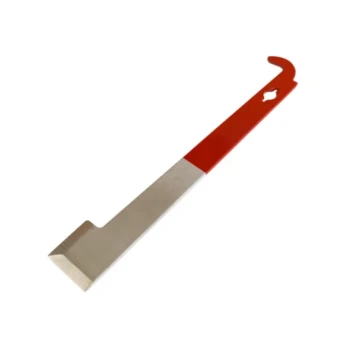
Bees use propolis (bee glue) to seal gaps, cementing hive parts together. A hive tool is required to pry apart these stuck components.
Without a hive tool, it is nearly impossible to separate boxes or lift frames for inspection without damaging the equipment or agitating the colony.
Equipment Maintenance and Hygiene
Cleaning and Sanitizing
To prevent the spread of pests and diseases, equipment hygiene is non-negotiable. You must regularly disassemble hives and wash all parts with warm water and non-toxic soap.
After washing, rinse the equipment thoroughly. Allow all parts to dry completely before using them again or placing them in storage.
Seasonal Maintenance Rhythm
Maintenance should follow the seasons. In October, you must install mouse guards at hive entrances to prevent rodents from nesting during winter.
November and December are the ideal months for deep maintenance. Use this time to inspect, repair, or replace woodenware, and to build or paint new hives for the spring.
Proper Storage
When not in use, store equipment in a dry, cool area. Cover hives and frames with breathable materials or tarps to protect them from dust and debris while preventing moisture buildup.
Understanding the Trade-offs
Protection vs. Dexterity
Thick leather gloves offer the highest level of protection against stings. However, they significantly reduce tactile sensation.
Reduced dexterity can lead to clumsy handling, potentially crushing bees. Crushing bees releases alarm pheromones, which can agitate the entire colony and make the inspection more dangerous.
Durability vs. Immediate Replacement
Protective gear degrades over time. While it may be tempting to patch a worn suit, a compromised barrier is a safety hazard.
Any gear showing signs of damage must be replaced promptly. The cost of replacement is always lower than the risk of sustaining multiple stings during a critical inspection.
Making the Right Choice for Your Goal
To select the right equipment strategy for your apiary, consider your specific operational needs:
- If your primary focus is working in hot climates: Prioritize ventilated beekeeping suits to ensure you remain cool and attentive during long inspections.
- If your primary focus is disease prevention: Establish a rigorous cleaning schedule using non-toxic soap and ensure all stored gear is kept dry and covered with breathable material.
- If your primary focus is winterizing successfully: strict adherence to the seasonal calendar is required, specifically installing mouse guards in October and repairing woodenware in late autumn.
Effective beekeeping requires the right tools to manage the hive and the discipline to maintain them.
Summary Table:
| Equipment Category | Essential Tools | Key Benefit |
|---|---|---|
| Personal Protection | Ventilated Bee Suit, Veil, & Gloves | Provides a physical barrier while ensuring comfort and focus. |
| Operational Tools | Smoker & Hive Tool | Calms bees and allows for non-destructive hive inspections. |
| Maintenance Tools | Mouse Guards & Non-toxic Soap | Protects against winter pests and prevents disease spread. |
| Hygiene Supplies | Warm Water & Breathable Covers | Ensures equipment longevity and maintains colony health. |
Elevate Your Commercial Beekeeping Operation with HONESTBEE
Maximize the productivity and safety of your apiary with professional-grade equipment. HONESTBEE specializes in catering to commercial apiaries and distributors, offering a comprehensive wholesale range of:
- High-Performance Machinery: Precision hive-making and honey-filling machines.
- Durable Hardware: Full spectrum of beekeeping tools and heavy-duty equipment.
- Essential Consumables: Every item needed for high-volume colony management.
- Cultural Merchandise: Unique honey-themed products to expand your market reach.
Whether you are scaling your production or supplying the industry, our expert team is ready to provide the specialized tools and hardware you need.
Contact us today to receive our full wholesale catalog
Related Products
- Beekeeper Cowboy Hat and Veil for Beekeeping
- Premium Cotton Beekeeper Suit with Reinforced Fencing Veil
- Premium Cowboy Beekeeper Hat with Visibility Veil Outdoor Professional Beekeeping Protective Gear
- Beekeeping Jacket with Hood and Veil for Beekeepers
- Durable Galvanized Steel Frame Grip
People Also Ask
- What is the correct way to wash a beekeeping hat and veil? Safe Hand-Washing Guide to Protect Your Gear
- What are the components and importance of a beekeeper's hat and veil? Essential Safety Gear for Apiary Success
- What are the differences between a separated and an attached beekeeping hat and veil? Security vs. Versatility
- What are the design specifications for an effective beekeeping hat and veil? Professional Standards for Protection
- What is the function of a beekeeping hat and veil? Essential Protection for Safe Hive Management