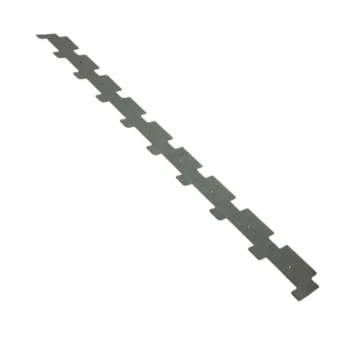
Specialized large-cell drone combs serve as a physical regulation tool that directly influences the demographic makeup of a honey bee colony. They function by exploiting the queen bee's physiological instinct to gauge cell diameter before laying eggs. By inserting these larger cells, beekeepers compel the queen to lay unfertilized eggs, allowing for the precise and intentional generation of drone (male) bees.
Core Takeaway These combs act as a "biological template" that overrides random laying patterns. By leveraging the queen’s natural response to cell size, they provide a non-chemical method to concentrate drone populations for breeding purposes or the biological control of parasites.
The Mechanism of Physical Regulation
Exploiting Physiological Instincts
The primary function of these combs is to trigger a specific behavior in the queen bee. She naturally measures the cell diameter of the comb with her front legs before depositing an egg.
Selective Egg Fertilization
When the queen detects the specific, larger dimensions of these specialized combs, her instinct dictates that she lay an unfertilized egg. Unfertilized eggs develop exclusively into drones (males), whereas smaller cells trigger the laying of fertilized eggs (female workers).
Precise Population Control
Standard combs can result in a mix of workers and drones based on the colony's ad-hoc construction. Specialized combs remove this variable. They force a predictable, concentrated layout of drone brood, giving the beekeeper control over the colony's structure.
Strategic Applications
Targeted Drone Rearing
For breeding programs, the availability of mature drones is critical. These combs ensure a colony produces a sufficient volume of males to facilitate successful mating flights.
Biological Parasite Control
The reference highlights the significance of these combs for biological control of honey bee parasites. By concentrating drone brood in one specific area, beekeepers can manage parasites that preferentially target drone larvae. This centralization turns the comb into a "trap" mechanism, allowing for the removal or management of parasites before they spread to the rest of the hive.
Understanding the Trade-offs
Management Intensity
Using specialized combs is not a passive strategy. Because these combs concentrate the drone population, they require active monitoring by the beekeeper to ensure the population does not become unmanageable.
Resource Allocation
Drones do not forage; they consume resources. Utilizing these combs increases the colony's "overhead" in terms of food consumption. The benefit of parasite control or breeding must be weighed against the nutritional cost of rearing a high density of non-producing bees.
Making the Right Choice for Your Goal
These tools transform the hive architecture into a management lever.
- If your primary focus is Breeding: Use these combs to guarantee a high density of drones during mating season to ensure successful queen fertilization.
- If your primary focus is Parasite Management: Utilize these combs to concentrate drone brood, creating a centralized location to trap and manage hive pests.
By manipulating the physical environment of the hive, you effectively steer the biological instincts of the colony to suit your management objectives.
Summary Table:
| Feature | Function & Impact |
|---|---|
| Mechanism | Triggers queen to lay unfertilized eggs via cell diameter measurement |
| Breeding Utility | Ensures high drone density for successful queen mating flights |
| Parasite Control | Concentrates pests in drone brood for centralized removal (Trap Method) |
| Colony Impact | Increases drone population; requires monitoring of food resources |
Elevate Your Beekeeping Operation with HONESTBEE
At HONESTBEE, we specialize in empowering commercial apiaries and distributors with the high-quality tools necessary for precision hive management. Whether you are looking to scale your breeding program or implement advanced biological pest control, our comprehensive wholesale portfolio has you covered.
Why partner with us?
- Full Spectrum Supply: From specialized drone combs and hive-making machinery to honey-filling equipment.
- Industry Expertise: We provide essential consumables and honey-themed cultural merchandise to help your business stand out.
- Global Distribution: Reliable bulk supply chains designed for large-scale operations.
Ready to enhance your apiary's efficiency and yield? Contact us today to discuss your wholesale needs and discover the HONESTBEE advantage.
References
- Hossam F. Abou‐Shaara, Ahmad A. Al-Ghamdi. Current knowledge about behaviors of honey bee queens with highlighting of the importance future studies. DOI: 10.1186/s41936-021-00234-x
This article is also based on technical information from HonestBee Knowledge Base .
Related Products
- Professional Frame Comb Fork and Lifter for Efficient Handling
- Heavy Duty Castellated Iron Frame Spacer for Honey Supers
- Heart-Shaped Comb Honey Frame and Honeycomb Cassette
People Also Ask
- What is the specific design and purpose of a frame lifter hive tool? Master Gentle Hive Inspections
- How does the frame lifter hive tool function? Master Safe and Gentle Frame Removal
- What are the technical benefits of using a frame lifter? Maximize Hive Safety and Inspection Efficiency
- What are the roles of frames and combs in a beehive? Essential Infrastructure for Healthy Apiaries
- What is the function of specialized beekeeping tools and hive frames? Enhance Efficiency & Yield in Your Apiary