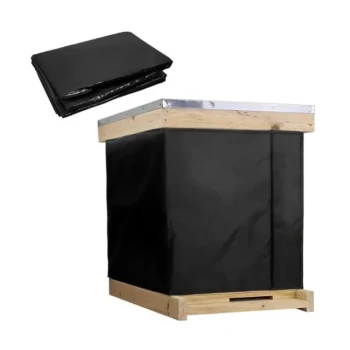
Aluminum foil and rubber pads function as essential protective layers for Heterotrigona itama beehives, serving primarily to regulate temperature and exclude moisture. When used as roof linings, these materials insulate the colony from extreme heat by reflecting solar radiation and create a waterproof barrier to prevent rain from penetrating the hive structure.
These linings are critical for maintaining a stable microclimate within artificial hives. By minimizing temperature fluctuations and preventing water ingress, they reduce environmental stress on the colony, which is vital for the sustainable management of high-yield stingless bees.
The Role of Environmental Protection
To understand why these specific materials are used, one must look at the sensitivity of Heterotrigona itama to their immediate environment. Artificial hives require engineered solutions to replicate the protection a natural cavity might offer.
Managing Thermal Fluctuations
The primary threat to a beehive in exposed locations is intense sunlight. Aluminum foil is utilized specifically for its reflective properties.
By reflecting solar radiation away from the roof, the foil prevents the internal temperature of the hive from spiking during the day.
This thermal insulation minimizes rapid temperature swings, ensuring the colony does not expend excessive energy cooling the hive.
Preventing Water Ingress
In regions subject to heavy rainfall, physical waterproofing is non-negotiable. Rubber pads serve as a durable seal against the elements.
These pads ensure that water does not seep into the hive layers, which could drown the brood or spoil stored food resources.
Keeping the interior dry is essential for maintaining the structural integrity of the hive and the health of the bees.
Supporting Artificial Hive Architecture
Unlike wild nests, managed hives for Heterotrigona itama are often designed with separate layers for honey, pollen, and brood.
These artificial structures allow for non-destructive, sustainable honey-suction harvesting without harming the colony.
However, this layered design requires the robust external protection provided by foil and rubber to function correctly as a commercial unit.
Understanding the Trade-offs
While aluminum foil and rubber pads are effective, relying on artificial linings introduces specific considerations for the beekeeper.
Material Durability vs. Maintenance
Rubber pads and aluminum foil can degrade over time due to UV exposure and physical wear.
If these linings are compromised, the hive loses its defense against heat and rain, requiring immediate maintenance to prevent colony collapse.
Artificial vs. Natural Regulation
These materials create a highly controlled environment, which differs from a wild setting.
While this boosts economic output by allowing for frequent harvests, it makes the colony dependent on the integrity of the hive materials rather than natural nesting defenses.
Making the Right Choice for Your Project
The use of these linings is ultimately about maximizing the stability and productivity of your apiary.
- If your primary focus is thermal regulation: Prioritize high-quality aluminum foil linings to maximize solar reflection in areas with direct, intense sunlight.
- If your primary focus is moisture control: Ensure your rubber pads are thick and seamless to prevent water ingress in regions with heavy, frequent rainfall.
- If your primary focus is economic yield: Utilize both materials in tandem to protect the delicate, layered structure of artificial hives, enabling frequent and sustainable harvesting.
Properly lining your hive roofs safeguards the colony's microclimate, directly supporting higher survival rates and consistent honey production.
Summary Table:
| Material | Primary Function | Benefit to Colony |
|---|---|---|
| Aluminum Foil | Thermal Insulation | Reflects solar radiation to prevent internal temperature spikes. |
| Rubber Pads | Moisture Barrier | Creates a durable, waterproof seal against rain and humidity. |
| Combined Use | Microclimate Control | Reduces environmental stress and supports sustainable honey harvesting. |
Elevate Your Commercial Apiary with HONESTBEE
At HONESTBEE, we specialize in empowering commercial apiaries and distributors with the high-performance tools needed for sustainable beekeeping. From specialized hive-making machinery to professional honey-filling equipment, our comprehensive wholesale range is designed to optimize your production and protect your colonies.
Whether you are scaling your stingless bee operation or sourcing essential industry consumables, our expert team is ready to provide the hardware and support you need to maximize efficiency and honey quality.
Ready to scale your beekeeping business? Contact HONESTBEE Today for Custom Wholesale Solutions
References
- Suzan Benedick, Abdul Hamid Ahmad. Foraging Behaviour of Heterotrigona itama (Apidae: Meliponini) in Residential Areas. DOI: 10.47836/pjtas.44.2.13
This article is also based on technical information from HonestBee Knowledge Base .
Related Products
- Telescopic Beehive Outer Cover Lid Roof with Galvanised Sheeting for Langstroth Hive and Beehive Outer Cover
- Inner Beehive Cover for Beekeeping Bee Hive Inner Cover
- Professional Insulated Winter Hive Wrap for Beekeeping
- Professional Insulated Plastic Bee Hives
- Solid Bottom Board Australian Pine Wood Langstroth Bottom Board for Wholesale
People Also Ask
- What is a telescoping outer cover and what are its advantages? Maximize Hive Protection in Harsh Climates
- What is the function of an outer telescoping cover on a beehive? Ultimate Weather Protection for Your Colony
- What is the purpose of the outer telescoping cover in a beehive? The Key to Weatherproofing Your Hive
- What are the benefits of the telescoping outer cover? Essential Protection for Hive Health & Longevity
- How should a telescoping outer cover be removed? Expert Techniques for Smooth Beekeeping Operations