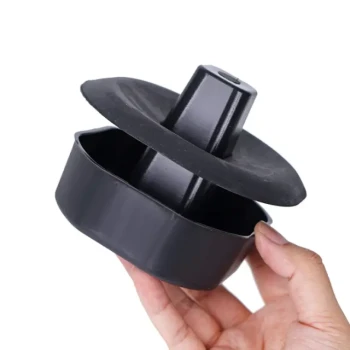
Plastic plugs and rubber buffers act as essential non-metallic interfaces at the ends of support bars on beehive transport trailers. They function primarily to dampen vibrations and create a physical barrier between the steel trailer frame and the wooden beehive structures. By serving as a cushion, they prevent equipment damage and reduce stress on the livestock during transit.
These components provide a critical layer of isolation, absorbing high-frequency road vibrations to protect both the structural integrity of the wooden hives and the health of the honeybee colonies inside.
The Mechanics of Load Stability
Increasing Frictional Resistance
Metal support bars are naturally smooth and can allow cargo to slide. Rubber buffers and plastic plugs introduce necessary texture to the contact points. This increased friction helps stabilize the hives, reducing the likelihood of lateral movement during transport.
Cushioning Mechanical Movements
Transport trailers are subject to sudden jolts and shifts. These buffers act as a suspension system for the cargo. They cushion these movements, ensuring that mechanical energy is dissipated rather than transferred directly to the hives.
Absorbing High-Frequency Vibrations
Road travel generates constant high-frequency vibrations that can be harmful to biological cargo. The rubber and plastic materials effectively absorb this energy. This damping process is vital for minimizing the stress experienced by the colonies.
Preserving Equipment Integrity
Preventing Metal-on-Wood Abrasion
The most direct function of these plugs is to prevent surface wear. Without them, the hard metal frame would grind against the softer wooden shells of the beehives.
acting as a Sacrificial Barrier
These components serve as a protective interface. They take the physical abuse of transport so the expensive hive equipment does not. By preventing the metal from wearing down the wood, they extend the operational lifespan of the beehives.
Understanding the Trade-offs
The Necessity of Replacement
Because these components are designed to be softer than the materials they connect, they are sacrificial by nature. They will degrade over time due to the friction and compression they absorb.
Maintenance Dependencies
Relying on these buffers requires vigilance. If a plug cracks or falls out, the protection is instantly lost. This necessitates regular inspection of the support bars to ensure the "non-metallic interface" remains intact.
Ensuring Safe Apiary Transport
To maximize the effectiveness of your transport setup, assess your specific logistical priorities.
- If your primary focus is Colony Welfare: Prioritize high-quality rubber buffers that offer superior vibration damping to minimize stress on the bees.
- If your primary focus is Equipment Longevity: Ensure all plastic plugs are inspected frequently to maintain the gap that prevents abrasive metal-on-wood contact.
These simple components are the definitive safeguard against the cumulative damage of transport, ensuring your apiary assets arrive intact and healthy.
Summary Table:
| Component Type | Primary Function | Benefit to Apiary |
|---|---|---|
| Rubber Buffers | Vibration Damping | Minimizes colony stress by absorbing road shocks. |
| Plastic Plugs | Sacrificial Barrier | Prevents abrasive wear between metal bars and wooden hives. |
| Non-metallic Interface | Friction Increase | Enhances load stability and prevents hives from sliding. |
Secure Your Colonies with Professional-Grade Equipment
At HONESTBEE, we understand that successful commercial beekeeping depends on the safety of your livestock and the longevity of your equipment. Whether you are a large-scale commercial apiary or a distributor, we provide a complete spectrum of beekeeping tools, specialized hive-making machinery, and premium consumables designed to withstand the rigors of the industry.
From advanced honey-filling machines to durable transport components, our wholesale offerings ensure your operations remain efficient and your assets protected. Contact us today to discuss your equipment needs and see how our comprehensive hardware portfolio can optimize your apiary’s performance.
References
- Eduardo Garzón Garzón, Pedro José Sánchez-Soto. Design of a Trailer Adapted for Accommodation and Transport of Beehives. DOI: 10.3390/designs8040082
This article is also based on technical information from HonestBee Knowledge Base .
Related Products
- Durable Plastic Interlocking Hive Connector for Beekeeping
- Plastic Transporting Bee Packages and Nuc Boxes for Beekeeping
- Professional Insulated Plastic Bee Hives
- Heavy Duty Ratchet Hive Strap
- Plastic Bee Frame Beekeeping Hive Frames for Wholesale
People Also Ask
- How do plastic bee hives compare to wooden hives in handling? Reduce Strain & Boost Efficiency
- Are plastic bee hives any good? Unlock Durability & Efficiency for Your Apiary
- Under what circumstance are beehive connectors particularly beneficial? Optimize Handling for Full Beehive Attachments
- Are plastic bee hives good? Durable, Low-Maintenance Hives for Modern Apiaries
- What is the advantage of using the beehive connector when handling full attachments? Achieve Safe and Efficient Hive Transport