Industrial hive-making machinery supports ecological balance primarily by enabling the production of standardized, scientifically designed hardware. This uniformity is not merely an operational convenience; it allows for the precise monitoring of bee density. By quantifying colony populations accurately, urban land managers can adjust distribution to match the local environmental capacity, preventing introduced honey bees from outcompeting native wild bees for limited floral resources.
Core Takeaway The precision of industrial manufacturing shifts urban beekeeping from a hobbyist activity to a data-driven science. It enables the management of "carrying capacity"—ensuring that the density of managed hives never exceeds what the local ecosystem can support without harming native biodiversity.
The Critical Link Between Standardization and Ecology
Precise Density Monitoring
Industrial machinery produces hive components with exact specifications and uniform dimensions. This consistency allows technical personnel to calculate bee density per unit of volume with high accuracy. Unlike handmade hives, which vary in size and capacity, machine-made hives provide a reliable baseline for population data.
Preventing Resource Competition
The greatest ecological risk in urban beekeeping is overstocking, where aggressive foraging by Western honey bees depletes nectar and pollen sources. By using data derived from standardized equipment, managers can limit colony numbers. This ensures that native wild pollinators, which are often more specialized and fragile, are not starved out of the ecosystem.
Enhancing Colony Resilience in Urban Microclimates
Improved Sealing and Weather Resistance
Urban environments often feature extreme microclimates, including wind tunnels created by skyscrapers and heat islands. High-precision manufacturing creates tighter joints and better seals than traditional manual construction. This superior insulation protects the colony from temperature fluctuations and pollution, reducing the stress on the hive.
Reducing Biological Stress
Machinery ensures that frames and boxes adhere strictly to "bee space" biology standards. When dimensions are incorrect, bees bridge gaps with propolis or burr comb, leading to crushed bees during inspections. Precision manufacturing minimizes this physical stress, maintaining a healthier colony that is less susceptible to disease outbreaks that could spill over to wild populations.
Maximizing Efficiency in Limited Spaces
Modular Arrangement
Urban green spaces, rooftops, and public gardens have severe spatial constraints. Machine-made hives are modular and stackable with perfect alignment. This allows for high-density arrangements that maximize the utility of small footprints without compromising the structural stability of the apiary.
Interchangeability and Maintenance
Standardized parts are fully interchangeable, meaning a frame from Hive A fits perfectly into Hive B. This reduces the time hives must be kept open during maintenance. Shorter maintenance windows mean less disturbance to the bees and less disruption to the surrounding area.
Understanding the Trade-offs
While industrial machinery offers significant ecological and operational advantages, it is important to recognize the limitations.
Standardization vs. Adaptation
Industrial machinery produces uniform products optimized for general conditions. In highly specific or irregular urban niches (e.g., oddly shaped architectural recesses), rigid standardization may lack the flexibility of custom, handmade solutions designed to fit unique physical constraints.
Capital Intensity
The shift to industrial-grade hardware implies a move away from low-cost, DIY beekeeping. While this improves quality and ecological data management, it raises the barrier to entry for community groups or small-scale initiatives that cannot afford commercially manufactured equipment.
Making the Right Choice for Your Goal
To leverage industrial hive technology effectively, align your equipment choice with your specific management objectives.
- If your primary focus is Ecological Balance: Prioritize standardized equipment to facilitate rigorous population monitoring and density caps, ensuring you do not exceed the local floral carrying capacity.
- If your primary focus is Colony Survival: Invest in high-precision, machine-milled components to ensure maximum weatherproofing against harsh urban wind and temperature variances.
- If your primary focus is Operational Scalability: Utilize modular, interchangeable hardware to reduce labor costs and streamline logistics in tight urban spaces.
True ecological stewardship in the city requires using precision tools not just to expand, but to manage and restrain growth for the benefit of the wider ecosystem.
Summary Table:
| Feature | Ecological & Operational Benefit |
|---|---|
| Standardized Dimensions | Enables precise bee density monitoring to prevent overstocking and competition with native species. |
| Precision Sealing | Protects colonies from urban heat islands and wind tunnels, reducing biological stress. |
| Adherence to 'Bee Space' | Minimizes physical harm to bees during inspections, preventing disease outbreaks. |
| Modular Design | Optimizes limited urban footprints with stable, stackable, and interchangeable components. |
| Data-Driven Management | Shifts beekeeping from hobbyist guesswork to scientifically managed environmental stewardship. |
Scale Your Apiary Sustainably with HONESTBEE
At HONESTBEE, we understand that commercial success and ecological stewardship go hand-in-hand. We provide a comprehensive wholesale range of industrial-grade beekeeping tools and machinery—from automated hive-making and honey-filling machines to specialized hardware and industry consumables.
Whether you are a large-scale distributor or managing a commercial urban apiary, our precision-engineered equipment empowers you to maximize efficiency while maintaining the delicate balance of your local ecosystem. Equip your business with the tools that define modern, data-driven beekeeping.
Contact HONESTBEE Today to Discuss Your Wholesale Needs
References
- Sam Droege. The Honey Trap: How Good Intentions of Urban Beekeepers Risk Ecological Disaster. DOI: 10.1093/ae/tmaf003
This article is also based on technical information from HonestBee Knowledge Base .
Related Products
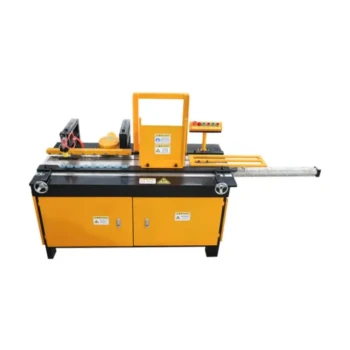
- High-Efficiency Pneumatic Bee Hive Making Machine for Rapid Box Assembly
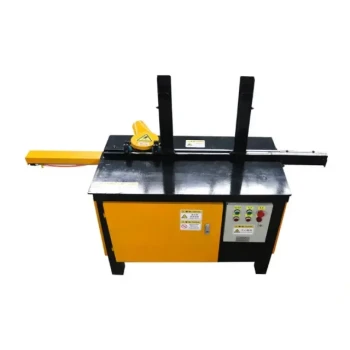
- Beehive Handle and Frame Rest Cutting Machine: Your Specialized Hive Machine
- Mini Desktop Bee Hive Frame Forming Making Machine
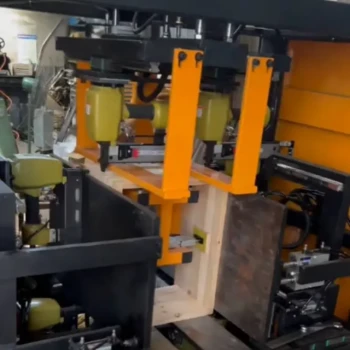
- Automatic High-Speed Bee Hive Box Stapling Machine
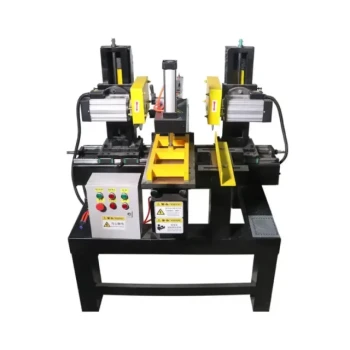
- Beehive Machine Double End Saw for Precision Hive Component Manufacturing
People Also Ask
- How does the introduction of professional beehive-making machinery benefit sustainable beekeeping? Scale Your Apiary
- Why is specialized beehive-making machinery critical for low-defense breeding? Enhance Selection with Precision Tools
- How does the introduction of specialized beehive making machinery contribute to increasing the scale of regional beekeeping industries?
- What is the importance of specialized beehive making machinery in a circular bio-economy? Build Local Sustainability
- Why is specialized beehive-making machinery essential? Scale Your Apiary with Precision Industrial Standards