Specialized queen rearing tools serve as the critical interface between natural bee biology and managed genetic improvement. These instruments primarily function to enable the precise, damage-free transfer of larvae into an artificial environment that simulates natural queen cells, allowing beekeepers to control nutrition, ensure physical protection, and scale the production of high-quality queens for genetic maintenance or commercial sale.
Core Takeaway By replacing the hive's random natural selection with a controlled mechanical process, these tools allow apiarists to systematically replicate superior genetics. They transform queen rearing from a biological lottery into a scalable, high-precision operation that maximizes larval survival and colony productivity.
The Mechanics of Precision Transfer
The Function of the Grafting Needle
The grafting needle is a high-precision manual instrument designed to solve a specific physical challenge: moving a fragile organism without killing it.
Its primary function is to lift young worker larvae—typically around two days old—from their original honeycomb cells.
Unlike standard tweezers, specialized grafting needles (such as metal or Chinese-style tools) are designed to scoop the larva along with a small amount of native royal jelly.
This dual transfer is critical; it ensures the larva has immediate nutrition during the transition and significantly increases the likelihood that the nurse bees will accept the grafted cell.
Minimizing Mechanical Damage
The specialized tip design of these needles serves a protective function.
Larvae at this stage are extremely delicate; even microscopic abrasions can be fatal.
By using a purpose-built tool, the beekeeper minimizes the risk of mechanical injury during the lift-and-deposit action, directly influencing the survival rate of the batch.
The Role of Artificial Cell Cups
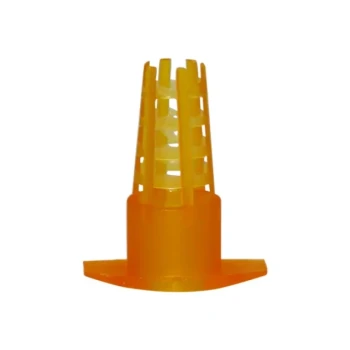
The cell cup functions as a simulated growth vessel.
These cups are manufactured to mimic the geometry and orientation of a natural queen cell.
By depositing the larva into these cups, the beekeeper triggers the colony's instinct to feed that specific larva a diet exclusive to queens (royal jelly), thereby redirecting its development from a worker bee to a queen bee.
Strategic Benefits for Breeding Programs
Scaling and Mass Production
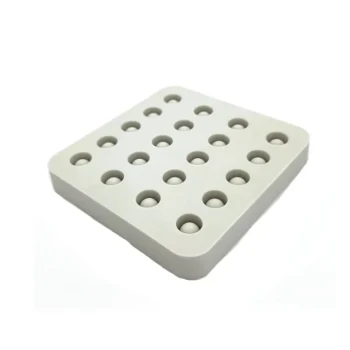
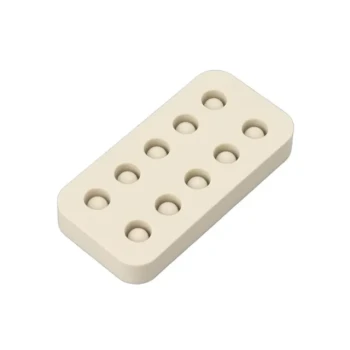
Tools like cell cups and grafting frames allow for the synchronization of queen production.
In a natural setting, a hive might produce only a few queens during swarming season.
Using these tools, a beekeeper can mass-produce queens, facilitating rapid colony expansion and the commercial sale of live queens.
Genetic Consistency and Improvement
These tools are the primary mechanism for genetic filtering.
They allow the beekeeper to select larvae exclusively from colonies that display desirable traits, such as high productivity, docility, or disease resistance.
This functions as a control gate, ensuring that only superior genetic resources are propagated throughout the apiary.
Understanding the Trade-offs
The Requirement of Manual Dexterity
While these tools enable precision, they do not automate the process.
The "function" of the tool is entirely dependent on the steady hand of the operator; poor technique with a high-quality needle will still result in damaged larvae and rejected cups.
Strict Timing Dependencies
These tools are only effective within a narrow biological window.
They function correctly only when used on larvae of a specific age (younger larvae are too small to lift safely; older larvae have already begun differentiating into workers).
Using these tools outside of this timeline negates their function, as the resulting queens may be physically inferior or rejected by the colony.
Making the Right Choice for Your Goal
Whether you are managing a small apiary or a large breeding operation, how you utilize these tools depends on your end game.
- If your primary focus is Genetic Improvement: Focus on the selection capability of these tools; use them to graft exclusively from your single best-performing queen to homogenize those traits across your apiary.
- If your primary focus is Commercial Production: Focus on the scalability aspect; utilize standardized cell cups and grafting frames to synchronize large batches for efficient harvesting and sale.
- If your primary focus is Research: Rely on the standardization these tools provide to ensure every sample in your study is at an identical developmental stage, eliminating environmental variables.
Mastering these tools is the definitive step in moving from keeping bees to breeding bees.
Summary Table:
| Tool Type | Primary Function | Key Benefit |
|---|---|---|
| Grafting Needle | Precise transfer of 2-day-old larvae & royal jelly | Minimizes mechanical damage; increases acceptance rates |
| Cell Cup | Mimics natural queen cell geometry | Triggers nurse bees to provide an exclusive royal jelly diet |
| Grafting Frame | Holds multiple cell cups in synchronization | Enables mass production and scalable queen rearing |
| Genetic Selection | Filtering larvae from superior colonies | Propagates traits like docility, disease resistance, and high yield |
Elevate Your Bee Breeding with HONESTBEE Professional Equipment
Transition from bee keeping to professional bee breeding with the industry's most reliable tools. HONESTBEE provides commercial apiaries and distributors with high-precision grafting instruments, standardized cell cups, and a full spectrum of hive-making and honey-processing machinery.
Whether you are scaling a commercial queen production line or seeking durable hardware for your distribution network, our comprehensive wholesale portfolio is designed to maximize your genetic consistency and operational efficiency.
Ready to scale your apiary operations? Contact us today to explore our wholesale solutions and discover how HONESTBEE can empower your business growth.
References
- Anca Aurora Popovici, Mărioara Ilea. Advantages of the Product Diversification Strategy in Beekeeping Farms. DOI: 10.15835/buasvmcn-asb:10343
This article is also based on technical information from HonestBee Knowledge Base .
Related Products
- Clear Black Plain Polystyrene Queen Bee Grafting Cell Cups No Lug for Bee Queen Cup
- Brown Nicot Queen Cell Cups for Breeding Queen Bees Beekeeping
- JZBZ Type Wide Base Plastic Queen Cell Cups for Base Mounting and Queen Rearing
- JZBZ Push-In Queen Cell Cups for Beekeeping
- Premium Nicot Style Cell Bar Holder and Queen Cell Cup Holder System
People Also Ask
- What materials are used to make artificial queen cell cups for grafting? Beeswax vs. Plastic Guide
- What role do specialized queen rearing tools play in developing mite-resistant honeybee stock? Master Genetic Selection
- What roles do specialized queen cell cups play in royal jelly production? Optimize Your Hive's Secretion and Yield
- What types of cell cups are commonly used in grafting? Plastic vs. Wax for Queen Rearing Success
- Why is a diluted royal jelly solution applied to queen cell cups? Boost Acceptance in Artificial Grafting