Standardized honey collection and storage centers operate as the critical control nodes in the apicultural supply chain, bridging the gap between raw agricultural production and commercial export. They ensure product integrity by maintaining strict environmental controls to prevent fermentation, acting as centralized hubs for quality testing, and implementing data systems that guarantee traceability from the apiary to the final consumer.
Core Takeaway These facilities do not merely house inventory; they stabilize a volatile raw material into a standardized commercial product. By integrating precise climate control with administrative tracking, they mitigate the risks of spoilage and fraud, ensuring the honey is safe, authentic, and market-ready.
Preserving Chemical Integrity Through Environmental Control
Regulating Temperature and Humidity
Raw honey is highly sensitive to its environment. Standardized centers utilize controlled temperature and humidity systems to arrest natural degradation processes. Without this regulation, honey is prone to fermentation, spoilage, or uncontrolled crystallization, which renders it unsuitable for commercial sale.
Managing Moisture Content
Moisture is the primary enemy of honey stability. Facilities employ specialized sealed storage containers to create an airtight barrier. This is particularly vital for varieties like stingless bee honey, which naturally has higher moisture content and requires protection from ambient humidity to inhibit the growth of fermentation-inducing microorganisms.
Centralizing Quality Assurance and Standardization
Laboratory verification of Attributes
Collection centers serve as the primary site for objective data gathering. Using precision electronic scales and constant-temperature ovens, technicians measure critical metrics like moisture and ash content. Ensuring moisture levels remain below specific thresholds (often 20%) is essential for determining viscosity and predicting shelf life.
Purification without Degradation
These centers often house filtration and sedimentation facilities designed to remove external impurities while preserving the honey's nutritional value. Unlike basic straining, professional filtration ensures the product meets organic and hygienic standards without stripping away the active biological components that give honey its premium status.
Establishing Traceability and Trust
The Traceability Node
The primary reference identifies these centers as the essential link between the beekeeper and the exporter. By aggregating produce at a single point, the center can assign specific batch codes and origin data to large volumes of product, creating a transparent history for every jar.
Combating Counterfeits via Labeling
A robust labeling system is implemented within these facilities to provide essential attribute identification. By clearly documenting ingredient composition, production dates, and certifications, these centers build consumer trust and prevent the distribution of substandard or counterfeit products that plague the global honey market.
Understanding the Trade-offs
Standardization vs. Over-Processing
While large-scale processing equipment (such as dehydration and sterile filling machines) significantly enhances shelf life, there is a delicate balance to maintain. Excessive processing can strip honey of its unique character.
The Cost of Compliance
Implementing high-level traceability and environmental control requires significant investment in infrastructure. However, failing to utilize these standardized systems restricts producers to local, low-value markets and exposes them to the risk of total crop loss due to spoilage.
Ensuring Market Success
By leveraging the capabilities of standardized centers, producers can align their output with specific market demands.
- If your primary focus is International Export: Prioritize facilities with advanced dehydration and moisture control systems to ensure the product remains stable during long shipping durations.
- If your primary focus is Premium/Organic Certification: Ensure the center utilizes filtration systems designed to retain active biological components, validating the product's natural value.
Standardized collection is not just about storage; it is the mechanism that turns a raw harvest into a trusted, tradeable asset.
Summary Table:
| Feature | Function & Purpose | Impact on Honey Quality |
|---|---|---|
| Environmental Control | Regulates temperature and humidity | Prevents fermentation, spoilage, and uncontrolled crystallization. |
| Moisture Management | Airtight storage & specialized containers | Maintains stability; critical for high-moisture varieties like stingless bee honey. |
| Quality Lab Testing | Measures moisture, ash, and viscosity | Ensures the product meets international food safety and export standards. |
| Professional Filtration | Removes impurities without degradation | Preserves active biological components while ensuring organic hygiene. |
| Batch Traceability | Assigns codes linking apiaries to exports | Combats counterfeits and builds consumer trust via transparent labeling. |
Elevate Your Honey Production Standards with HONESTBEE
At HONESTBEE, we understand that transitioning from raw harvest to a premium, export-ready product requires precision and the right infrastructure. We cater specifically to commercial apiaries and distributors, providing a comprehensive wholesale range of equipment designed to meet the highest industry standards.
How we add value to your business:
- Advanced Machinery: From hive-making to honey-filling and professional-grade dehydration systems.
- Essential Consumables: A wide array of beekeeping tools and industry essentials for large-scale operations.
- Cultural Merchandise: Honey-themed products to diversify your brand's market appeal.
Whether you are upgrading your collection center or expanding your distribution network, our expertise ensures your honey remains safe, authentic, and market-ready.
Contact HONESTBEE today to optimize your supply chain!
References
- Verina Ingram, Justin Njikeu. Sweet, Sticky, and Sustainable Social Business. DOI: 10.5751/es-03930-160137
This article is also based on technical information from HonestBee Knowledge Base .
Related Products
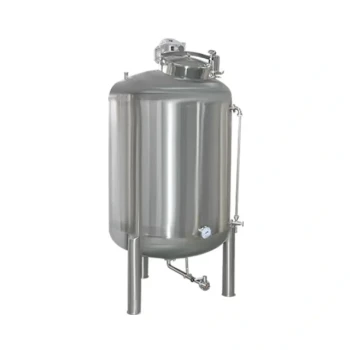
- Stainless Steel Honey Storage Tank with Lid for Honey
- Professional Honey Storage Tank with Agitation System
- Stainless Steel Honey Storage and Settling Tank with Double Strainer
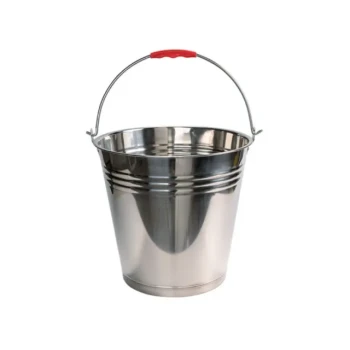
- Food Grade Plastic Honey Bucket Pail for Beekeeping
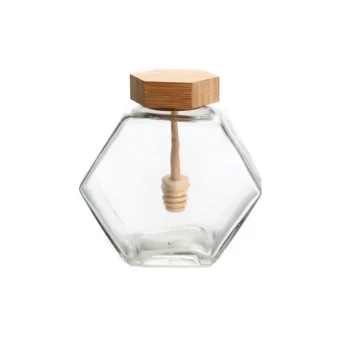
- Hexagonal Glass Honey Jar with Wooden Lid Integrated Dipper Elegant Functional Storage
People Also Ask
- What economic role do honey storage tanks play? Boost Your Revenue Through Strategic Inventory Management
- What roles do industrial honey storage tanks and filtration meshes play in processing? Ensure Purity & Consistency
- What is the purpose of a honey storage tank? Streamline Your Honey Processing for Quality & Efficiency
- What are honey storage tanks used for? Essential Features for Quality Preservation and Profit
- How do large honey storage tanks and gravity fall filling systems improve honey packaging efficiency and safety?