Protecting stored beekeeping equipment from lesser wax moths requires disciplined sanitation, strong colonies, and controlled storage. Remove wax scraps, propolis, burr comb, honey residue, and other organic debris from hive components and bottom boards before storage. Inspect stored frames and supers regularly, maintain clean and well-fitted equipment, and keep colonies strong enough to suppress moth establishment.
The core protocol is simple: eliminate breeding material, reduce access points, preserve strong colonies, and inspect stored equipment before minor activity becomes structural damage.
Why Stored Equipment Is Vulnerable
Wax and organic debris support infestation
Lesser wax moth larvae can feed on wax comb, pollen, stored honey, and larval debris. Dark, pollen-rich brood comb and unprocessed hive residues are particularly vulnerable.
Stored equipment lacks the active bee population that normally patrols and cleans comb. As a result, even small amounts of debris can provide a suitable site for moth development.
Weak colonies face greater risk
Strong colonies are the primary natural defense against wax moths. Weak or stressed colonies may be unable to protect comb, allowing larvae to tunnel through frames and contribute to colony absconding.
During dearth periods, operators should assess weak colonies, maintain adequate food supplies, and consider combining colonies where appropriate and operationally suitable.
Hive Sanitation Protocols
Clean bottom boards routinely
Remove accumulated wax fragments, fallen larvae, cocoons, propolis, and other debris from bottom boards. These materials can provide concealed sites for moth eggs and larvae.
During periods of peak moth activity, commercial apiaries should consider bi-weekly hive cleaning. The exact schedule should reflect local pest pressure, colony strength, and inspection findings.
Scrape frames and hive bodies
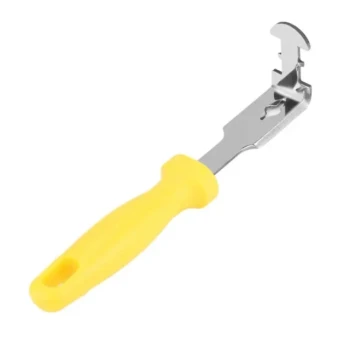
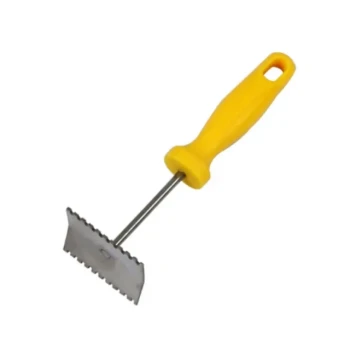
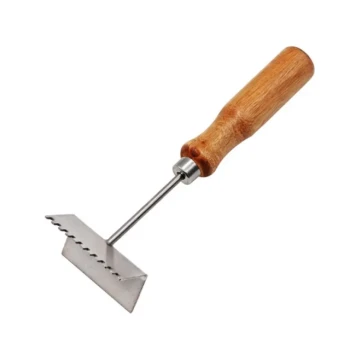
Regularly scrape excess propolis, burr comb, wax buildup, and organic residue from wooden frames, hive bodies, and other reusable components. Cleaning reduces both food sources and protected crevices.
Promptly repair or remove damaged timber. Cracks, joint gaps, and poorly managed corners can provide moths with protected egg-laying locations.
Maintain clean hive entrances
Keep entrances and nearby areas free from debris. Entrance reducers can help limit pest access, particularly where colonies are weak or during vulnerable periods.
Hive bodies and frames should fit tightly enough to minimize unnecessary gaps while still supporting proper colony ventilation and normal hive management.
Improve debris removal
A slight hive slope toward the entrance can help bees clear debris and moisture. This adjustment supports general hive hygiene but does not replace direct bottom-board cleaning.
Preparing Equipment for Storage
Remove honey and wax residues
After the late-summer or autumn honey harvest, inspect empty supers and frames before placing them into storage. Remove honey residue, loose wax, pollen-rich debris, and other organic material.
Equipment should be clean and dry before storage. Residual honey can attract pests and increase the biological material available to developing larvae.
Inspect comb before stacking
Examine frames and boxes for:
- Webbing
- Pupal cocoons
- Larval excrement
- Tunnelling or damaged comb
- Accumulated cast larval skins
Do not place questionable equipment into a clean storage stack. Separate, assess, and process or remediate suspect comb according to the apiary’s pest-management procedures.
Use suitable storage conditions
Store cleaned equipment in a secure, ventilated, cool, well-lit, or pest-controlled environment, as appropriate for the facility. Regular access is important because stored equipment should not be left unexamined until the next season.
Well-fitted boxes and frames reduce gaps where moths may lay eggs. However, physical fit alone is not sufficient if comb and woodenware remain contaminated with residues.
Protect clean foundation and comb assets
Clean, refined beeswax foundation is less vulnerable than unrefined wax residues. Store it separately from dirty equipment and keep it protected from contamination.
Older, dark brood comb should be removed through a planned comb-renovation program. Where appropriate, it can be rendered into solid beeswax blocks, in which wax moths cannot complete their life cycle.
Maintaining the Colonies That Protect Equipment
Keep colonies populous and healthy
Strong, well-fed colonies are better able to patrol comb and remove developing pests. Routine colony-strength assessments should therefore be part of wax moth prevention, not treated as a separate activity.
Adequate food supplies are especially important during dearth periods, when colonies may become stressed and less capable of defending comb.
Manage weak colonies promptly
Weak colonies should receive timely management attention. Depending on the operation and circumstances, combining weak colonies may reduce the number of vulnerable hive units.
This approach also concentrates bee populations, improving the colonies’ ability to defend their available comb.
Maintain ventilation
Proper hive ventilation helps maintain a healthier hive environment and supports general equipment preservation. Ventilation should be balanced with secure construction and adequate protection from pest entry.
Overlooking ventilation while focusing only on sealing can create other maintenance problems. The objective is controlled airflow with minimized pest access, not indiscriminate closure.
Monitoring Stored Equipment
Establish a documented inspection schedule
Stored boxes, frames, and comb should be inspected at regular intervals throughout the vulnerable season. Bi-weekly checks may be appropriate during periods of high moth activity, particularly for commercial inventories.
Record inspection dates, equipment locations, observed signs, and corrective actions. Documentation helps distributors, wholesalers, and large apiaries prevent isolated infestations from spreading through stored stock.
Isolate affected equipment
Any frame or box showing webbing, cocoons, excrement, or tunnelling should be separated from unaffected inventory. Avoid returning suspect equipment to a clean stack before it has been assessed and treated through the operation’s approved process.
Clear physical separation is especially important in warehouses and high-volume apiaries, where a single contaminated shipment or storage zone can affect a large equipment inventory.
Inspect before spring assembly
Before equipment is returned to colonies, inspect each component again. Confirm that frames, boxes, and foundations are clean, structurally sound, and free from visible signs of moth activity.
This final check protects colonies from receiving contaminated equipment and reduces avoidable losses during spring buildup.
Understanding the Trade-offs
Sealing versus ventilation
Tight-fitting equipment reduces access points, but storage must still be appropriately ventilated. Excessive sealing without suitable airflow can undermine equipment condition and create maintenance issues.
Use well-manufactured, properly maintained components that minimize gaps while preserving a controlled storage environment.
Frequent cleaning versus labor cost
Routine scraping and bottom-board cleaning require labor, tools, and scheduling. However, the cost of preventive sanitation is generally easier to control than the replacement of damaged comb, frames, and woodenware.
For commercial operations, standardized cleaning procedures and inspection records improve consistency across apiaries and storage facilities.
Reusing old brood comb versus renovation
Retaining dark, pollen-rich brood comb may appear economical, but it increases vulnerability to wax moth damage. Planned comb rotation and rendering require equipment and handling time but protect the long-term value of the comb inventory.
Comb should be evaluated as an asset with a service life, not stored indefinitely without inspection or replacement.
Hardware quality versus maintenance discipline
High-quality, tightly fitted hive components can reduce gaps and improve physical protection. They cannot compensate for dirty bottom boards, weak colonies, neglected repairs, or contaminated storage areas.
Equipment quality and sanitation are complementary controls, not substitutes for one another.
How to Apply This to Your Operation
A reliable program should combine colony management, equipment cleaning, storage controls, and documented inspections.
- If your primary focus is protecting stored comb: Remove honey and organic residues, inspect regularly for webbing and cocoons, and store clean comb in a secure, cool, ventilated, or pest-controlled environment.
- If your primary focus is reducing apiary-wide infestation: Keep colonies strong, manage weak units promptly, clean bottom boards routinely, and use entrance reducers where appropriate.
- If your primary focus is extending equipment service life: Scrape propolis and burr comb, repair damaged timber, maintain tight-fitting components, and rotate older brood comb through a renovation program.
- If your primary focus is managing commercial inventory: Separate suspect equipment, use standardized sanitation checklists, document inspections, and verify every component before redistribution or spring deployment.
Consistent sanitation and inspection turn wax moth prevention from a seasonal reaction into a dependable equipment-protection system.
Summary Table:
| Protocol | Key Actions | Frequency |
|---|---|---|
| Bottom Board Cleaning | Remove wax scraps, debris, larvae | Bi-weekly during peak activity |
| Frame/Box Scraping | Scrape propolis, burr comb, residues | Before storage & regular |
| Hive Entrance Hygiene | Keep entrance clear; use reducers | As needed |
| Debris Removal | Tilt hive slightly for debris clearance | Ongoing |
| Equipment Prep | Remove honey/wax; inspect frames | Before storage |
| Storage Conditions | Clean, cool, well-ventilated, pest-controlled | Throughout storage |
| Colony Strength | Feed and manage weak colonies | Regularly |
| Inspection | Check for webbing, cocoons, damage | Bi-weekly in vulnerable season |
| Quarantine | Separate affected equipment | Immediately upon detection |
Protect your beekeeping investment with HONESTBEE's comprehensive range of hive maintenance tools and equipment.
From high-quality scrapers and hive tools to ventilation controls and storage solutions, we supply everything you need to implement effective sanitation protocols. Our wholesale offerings cater to commercial apiaries and distributors, ensuring you get durable, reliable equipment at competitive prices.
With our fast delivery, dedicated customer support, and deep industry expertise, we help you maintain strong colonies and extend the life of your equipment. Contact us today at #ContactForm to discuss your bulk needs and secure your supply chain.
Related Products
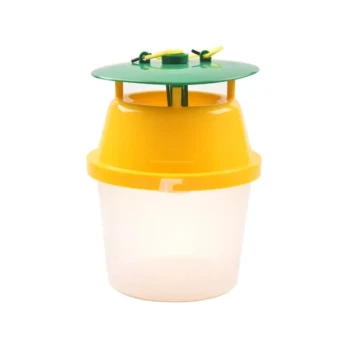
- Professional Bucket Style Wasp and Moth Pheromone Trap
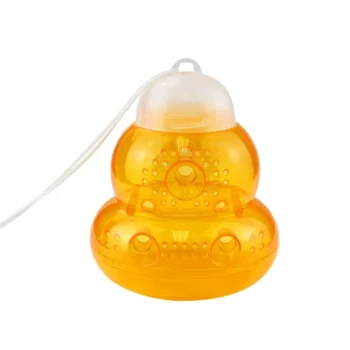
- Gourd Shaped Hanging Wasp Trap Professional Wasp Catcher
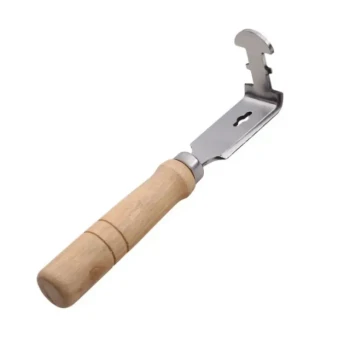
- Professional Stainless Steel Frame Cleaner with Ergonomic Wood Handle
- Solar Beeswax Melter Easy Solar Wax Melter for Beeswax
- Heavy-Duty Ergonomic Grip Galvanized Pollen Shovel
People Also Ask
- How do specific pheromones improve pest monitoring accuracy? Achieve High-Integrity Data with Professional Precision
- What is the function of Pheromone Traps in the biosecurity monitoring of apiaries? Precision Tools for Pest Control
- What role do Pheromone Traps play in the IPM for Large African Hive Beetles? Essential Surveillance & Control Tips
- How do professional wasp traps function? Master Physical Control of Oriental Hornets to Protect Your Apiary
- What are the practical advantages of using professional wasp traps and protective equipment in apiary management? Scale Up