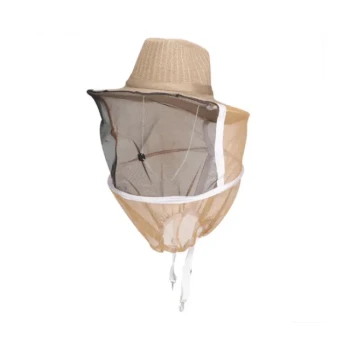
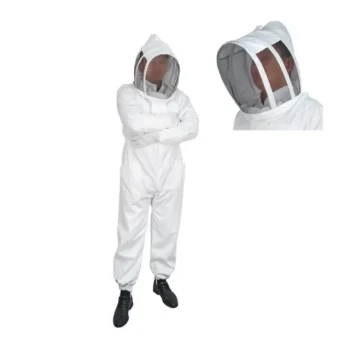
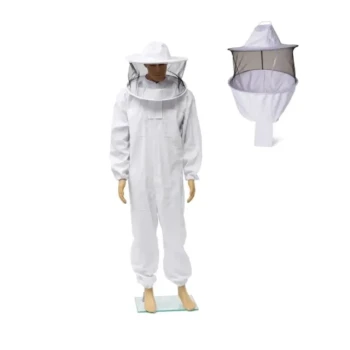
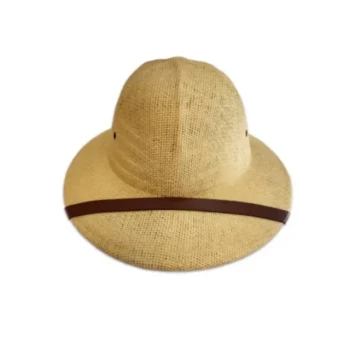
A beekeeping veil is a specialized protective barrier constructed from fine wire or fabric mesh, explicitly designed to cover the beekeeper's head, face, and neck. Its primary function is to prevent bees from stinging sensitive areas while ensuring the wearer retains the visibility and breathability necessary to work effectively. Because defensive bees instinctively target the head, the veil is universally considered the most essential component of apiary safety gear.
While a full suit offers comprehensive protection, the veil is the single most critical piece of equipment because it shields the eyes and face from targeted attacks. Stings to the ocular region can be blinding or permanently damaging, making the veil a mandatory safety requirement for every hive inspection.
The Mechanics of Protection
Why the Head is a Target
When honeybees defend their colony, they are instinctively drawn to the upper body. They often target the head and face, attracted by the carbon dioxide in the beekeeper's breath and the movement of the eyes.
Material Composition
Veils are constructed from fine mesh made of either metal wire or synthetic fabric. This mesh must be tight enough to physically block a bee from entering but open enough to allow light and air to pass through.
Critical Coverage Areas
Properly designed veils do not just cover the face; they hang down past the shoulders. This design ensures protection for the neck and throat areas, which are highly vascular and sensitive to venom.
Assessing Safety and Visibility
Preventing Ocular Injury
The most severe risk in beekeeping is a sting to the eye. Unlike stings on the hand or arm, an eye sting requires immediate, specialized medical attention and can result in vision loss; the veil is the only reliable prevention for this specific trauma.
Maintaining Situational Awareness
A veil allows the beekeeper to see the state of the colony clearly. Good visibility is required to spot queens, identify eggs, and handle frames gently, which in turn keeps the bees calmer.
Understanding the Trade-offs
Visibility vs. Durability
Wire mesh veils generally offer superior visibility and hold their shape well, keeping the mesh away from the face. However, they are rigid and can be permanently kinked if stored improperly. Fabric veils are highly portable and collapsible but can sometimes blow against the skin in high winds, potentially allowing a sting through the mesh.
Heat and Breathability
While the mesh is breathable, adding any layer around the head restricts airflow to some degree. On hot days, a veil can trap heat around the head and neck, requiring the beekeeper to stay hydrated and take breaks to prevent overheating.
Configuration and Compatibility
Integrated vs. Standalone
Veils are often sold as part of complete beekeeping kits or integrated directly into full body suits. However, they are frequently sold separately to allow beekeepers to mix and match with different jackets or hats.
The Comfort Factor
The most effective veil is the one a beekeeper is willing to wear every time. If a veil is abrasive, restricts vision too heavily, or fits poorly, the user may be tempted to remove it, instantly compromising safety.
Making the Right Choice for Your Goal
The "best" veil depends largely on your specific operational needs and storage capabilities.
- If your primary focus is maximum visibility: Look for a veil with a rigid wire faceplate, as this keeps the mesh taut and minimizes visual distortion during detailed inspections.
- If your primary focus is portability and storage: Choose a collapsible fabric veil that allows for flexibility and can be easily packed away without risk of permanent deformation.
The veil is the one piece of equipment where compromise is unacceptable; it must be worn during every interaction with the hive to ensure the safety of your vision.
Summary Table:
| Feature | Wire Mesh Veil | Fabric Mesh Veil |
|---|---|---|
| Visibility | High (Rigid shape, no distortion) | Moderate (Can shift in wind) |
| Durability | High (Keeps shape over time) | Moderate (Prone to snags) |
| Portability | Low (Rigid, harder to pack) | High (Collapsible and lightweight) |
| Primary Benefit | Maximum facial clearance | Easy storage and flexibility |
| Best For | Detailed hive inspections | Portable setups and backup gear |
Secure Your Apiary Safety with HONESTBEE
At HONESTBEE, we understand that worker safety and visibility are the foundations of a productive commercial apiary. As a premier wholesale supplier, we provide commercial apiaries and distributors with high-quality beekeeping veils, full-body suits, and advanced beekeeping machinery designed for durability and performance.
From specialized hive-making and honey-filling machines to a complete range of essential industry consumables, our portfolio is built to scale your operations efficiently. Contact us today to discuss our wholesale offerings and discover how our comprehensive equipment range can support your business growth.
Related Products
- Beekeeper Cowboy Hat and Veil for Beekeeping
- White Cotton Beekeeping Jacket and Veil for Bee Keepers
- Professional Square Folding Wire Mesh Beekeeping Veil
- Premium Cotton Beekeeper Suit with Reinforced Fencing Veil
- Premium Cowboy Beekeeper Hat with Visibility Veil Outdoor Professional Beekeeping Protective Gear
People Also Ask
- What is the correct way to wash a beekeeping hat and veil? Safe Hand-Washing Guide to Protect Your Gear
- What are the components and importance of a beekeeper's hat and veil? Essential Safety Gear for Apiary Success
- What are the differences between a separated and an attached beekeeping hat and veil? Security vs. Versatility
- What are the design specifications for an effective beekeeping hat and veil? Professional Standards for Protection
- What is the function of a beekeeping hat and veil? Essential Protection for Safe Hive Management