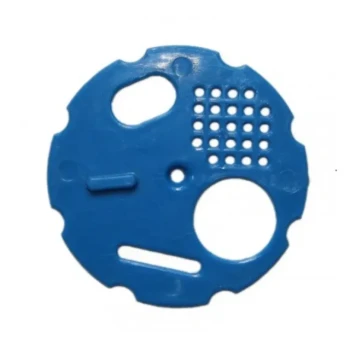
A hive entrance reducer is a removable barrier placed at the opening of a beehive to physically limit the size of the entrance. Its primary function is to restrict the area that the colony must guard, allowing beekeepers to adjust the opening size based on the colony's strength, the season, and external threats.
The entrance reducer is not just a doorstop; it is a critical defensive tool that allows a colony to focus its resources. By narrowing the point of entry, you transform a vulnerable open wall into a defensible chokepoint, protecting the hive from predators and environmental extremes.
Strengthening Colony Defense
The most immediate use of an entrance reducer is to assist the guard bees in protecting their resources.
Deterring Robbers and Intruders
According to the primary reference, the main purpose of the tool is to help colonies defend against intruders. When a hive has a full-width entrance, the guard bees must patrol a large area.
By shrinking the entrance to a few inches or less, you force all traffic through a "bottleneck." This makes it significantly easier for a smaller number of guards to repel wasps and robbing bees from other colonies who attempt to steal honey.
Pest Exclusion
In colder months, pests such as mice seek warmth and shelter. A standard hive entrance is large enough for a mouse to enter, where it can destroy comb and disturb the cluster.
A reducer acts as a physical shield. Whether made of wood or metal, it narrows the gap sufficiently to prevent rodents from squeezing inside while still allowing bees to exit for cleansing flights.
Managing Environmental Stress
Beyond biological threats, the entrance reducer is a vital tool for regulating the hive's internal climate.
Temperature and Draft Control
Honey bees must maintain specific internal temperatures to survive winter and rear brood. A fully open entrance creates significant drafts and allows heat to escape rapidly.
Installing a reducer limits air exchange. This helps the colony conserve heat energy during winter and prevents strong winds from chilling the interior.
Preventing Snow Ingress
In regions with heavy snowfall, wind can blow snow directly into the bottom of the hive. A reducer minimizes the opening, preventing snow accumulation inside the hive body which could lead to moisture issues and chilling.
Strategic Management Scenarios
There are specific operational times when a beekeeper must use a reducer regardless of the season.
Protecting New Colonies
When you install a new package of bees or a nucleus colony (nuc), the population is low and disorganized. They are highly vulnerable to robbery.
You must reduce the entrance immediately upon installation. This gives the establishing colony a fighting chance to defend itself until its population grows strong enough to manage a larger opening.
Transport and Treatment
Reducers are often flipped or manipulated to temporarily seal a hive completely. This is necessary when moving hives to a new location to prevent bees from escaping during transport.
Additionally, certain vapor treatments for mites require the hive to be sealed for a short period to be effective.
Understanding the Trade-offs
While essential, the entrance reducer is not a "set it and forget it" tool. Misuse can hinder the colony.
Traffic Congestion
During a heavy nectar flow, thousands of foragers are leaving and returning every hour. If the entrance is restricted too much, it creates a traffic jam. This slows down forage efficiency and can reduce honey production.
Ventilation Issues
In the height of summer, a strong colony produces immense heat. A reducer can restrict necessary airflow, causing the hive to overheat. This often leads to "bearding," where bees hang in clusters outside the hive to escape the internal heat.
Making the Right Choice for Your Goal
The decision to use a reducer depends entirely on the current objective of your apiary management.
- If your primary focus is Overwintering: Use the smallest opening to exclude mice and retain maximum colony heat.
- If your primary focus is Starting a New Hive: Keep the entrance reduced to protect the small population from robbers until they cover nearly all frames.
- If your primary focus is Maximizing Honey Flow: Remove the reducer entirely or use the largest setting to prevent foraging bottlenecks in strong colonies.
Effective beekeeping relies on observing the traffic at the landing board and adjusting the entrance to balance security with efficiency.
Summary Table:
| Function | Key Benefit | Recommended Usage |
|---|---|---|
| Colony Defense | Deters wasps, rodents, and robbing bees | New colonies, small populations, or autumn |
| Climate Control | Minimizes drafts and conserves heat | Winter months and early spring |
| Pest Prevention | Blocks mice and large insects | Overwintering and cold climates |
| Management | Facilitates safe transport and treatments | During hive moves or mite vapor treatments |
Maximize Your Apiary Productivity with HONESTBEE
Successful beekeeping starts with the right tools. At HONESTBEE, we specialize in supporting commercial apiaries and distributors with a complete wholesale catalog of professional-grade equipment. From durable entrance reducers and specialized hardware to advanced hive-making and honey-filling machinery, we provide everything your business needs to thrive.
Why partner with us?
- Comprehensive Inventory: One-stop shop for all beekeeping tools and essential consumables.
- Commercial Scale: Tailored solutions for large-scale operations and distribution networks.
- Expert Support: High-quality machinery designed for longevity and precision.
Ready to scale your beekeeping business? Contact us today to discuss your wholesale needs!
Related Products
- Steel Round Disc Entrance Reducer for Flexzion Bee Hive Nuc Box Gate
- Beehive Entrance Reducer Guardian Metal Hive Entrance for Bees
- Professional Hive Front Entrance Bee Feeder
- Multi-Functional Rotary Hive Entrance Disc for Beekeeping
- HONESTBEE Entrance Bee Feeder Efficient Hive Front Liquid Feeding Solution for Beekeeping
People Also Ask
- What is the purpose of an entrance reducer for a beehive? Strengthen Colony Defense and Prevent Robbery
- Why are entrance reducers used to counter hornet infestations? Protect Your Hive with Strategic Choke Points
- Why is it critical to maintain a smaller entrance for a newly established bee hive? Boost Colony Growth and Security
- What is the function of an entrance reducer on a beehive? Strengthen Colony Defense and Climate Control
- Under what conditions should a beekeeper adjust the size of a beehive entrance? Seasonal & Defense Management Tips