You should only completely close a hive entrance when robbing has become severe and the colony is unable to defend itself despite other interventions. This is an emergency, temporary measure intended to break the frenzy of the robbing cycle by halting all bee traffic for a strictly limited duration.
Core Takeaway: Total entrance closure is a "last resort" tactic to stop a severe robbing event. It must be brief (1-2 hours) and requires strict attention to ventilation and shade to prevent the colony from overheating and suffocating.
Recognizing the Necessity of Closure
When Reduction Isn't Enough
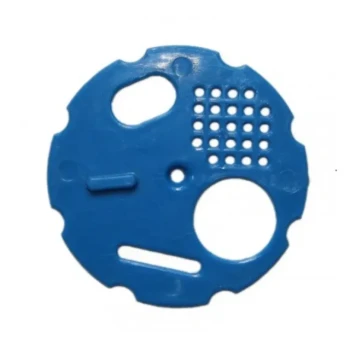
Standard practice involves reducing the entrance to the width of one or two bees using entrance reducers or mesh guards.
However, if this step fails and the colony is still being overwhelmed by intruders, complete closure becomes necessary to save the hive.
Breaking the Cycle
The goal of sealing the hive is not to keep it closed indefinitely, but to disrupt the memory and persistence of the robber bees.
By stopping the flow of resources completely, you force the robbers to eventually give up and return to their own hives.
Executing the Closure Safely
Methods of Obstruction
You can block the entrance using a moving screen, a fitted stick, or a wet towel.
The wet towel method serves a dual purpose: it creates a physical barrier while also helping to keep the entrance area cool.
Duration of Closure
This is a short-term intervention. The entrance should typically be closed for only one to two hours.
This timeframe is usually sufficient to break the immediate robbing cycle without causing long-term stress to the confined colony.
Critical Safety Protocols
Mandatory Ventilation
When you close the front entrance, you cut off the hive's primary airflow.
You must ensure the hive has alternative ventilation, such as a screened bottom board, to allow air to circulate. Without this, the colony can suffocate rapidly.
Managing Heat Buildup
Robbing often occurs during high summer temperatures. A closed hive can become a solar oven.
You must provide shade for the hive while the entrance is blocked to prevent the colony from overheating and melting down the comb.
Understanding the Trade-offs
The Risk of Overheating vs. Resource Loss
The decision to close a hive involves weighing the immediate threat of resource depletion against the physical danger of heat stress.
While closing the entrance stops the theft of honey and nectar immediately, it spikes the internal temperature of the hive.
Confinement Stress
Trapping the bees inside creates panic and stress within the colony.
While necessary to stop robbers, prolonged confinement interferes with the colony's ability to forage, eliminate waste, and regulate humidity. This is why the duration must be strictly limited.
Making the Right Choice for Your Situation
Before taking action, assess the intensity of the activity at the hive entrance.
- If your primary focus is preventing a new attack: Reduce the entrance to a one-bee width so guard bees can easily defend a single access point.
- If your primary focus is stopping an active, overwhelmed hive: Completely close the entrance for 1-2 hours using a screen or wet towel, ensuring the hive is shaded and vented.
- If your primary focus is using entrance feeders: Move the hive entrance to the opposite side of the feeder to make access more difficult for robbers.
Successful intervention relies on acting quickly to stop the robbing, while ensuring you do not inadvertently cook the colony you are trying to save.
Summary Table:
| Robbing Severity | Action Required | Closure Duration | Key Safety Requirement |
|---|---|---|---|
| Mild/Early | Reduce entrance to 1-2 bee width | N/A | Regular monitoring |
| Severe/Active | Complete Entrance Closure | 1-2 Hours (Max) | Screened bottom board for airflow |
| Ongoing Frenzy | Wet towel method + Closure | Until robbers disperse | Full shade to prevent overheating |
Secure Your Apiary with HONESTBEE Professional Solutions
Protecting your colony from robbing is just one part of successful beekeeping. At HONESTBEE, we specialize in supporting commercial apiaries and distributors with high-quality, professional-grade equipment designed to withstand the rigors of the industry. From durable hive-making machinery and precision honey-filling systems to essential consumables and specialized beekeeping tools, we provide the full spectrum of hardware needed to scale your operations.
Why partner with HONESTBEE?
- Comprehensive Wholesale Range: One-stop sourcing for all machinery and tools.
- Industry Expertise: Tailored solutions for large-scale honey production.
- Global Distribution: Reliable supply chains for beekeeping businesses worldwide.
Contact our team today to discuss how our wholesale offerings and industrial machinery can enhance your apiary's productivity and health.
Related Products
- Steel Round Disc Entrance Reducer for Flexzion Bee Hive Nuc Box Gate
- Beehive Entrance Reducer Guardian Metal Hive Entrance for Bees
- Professional Hive Front Entrance Bee Feeder
- Multi-Functional Rotary Hive Entrance Disc for Beekeeping
- HONESTBEE Entrance Bee Feeder Efficient Hive Front Liquid Feeding Solution for Beekeeping
People Also Ask
- What is the purpose of an entrance reducer for a beehive? Strengthen Colony Defense and Prevent Robbery
- Why are entrance reducers used to counter hornet infestations? Protect Your Hive with Strategic Choke Points
- Why is it critical to maintain a smaller entrance for a newly established bee hive? Boost Colony Growth and Security
- Under what conditions should a beekeeper adjust the size of a beehive entrance? Seasonal & Defense Management Tips
- What is the function of an entrance reducer on a beehive? Strengthen Colony Defense and Climate Control