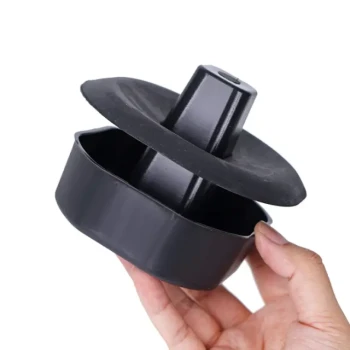
A hive stand is a structural base designed to elevate the bottom board of a beehive off the ground. While classified as optional equipment, it serves three critical purposes: reducing internal dampness, extending the lifespan of wooden components, and preventing vegetation from blocking the hive entrance.
By physically separating the hive from the soil, a stand acts as a first line of defense against moisture and rot. It ensures a dry environment for the colony while preserving the integrity of your apiary infrastructure.
The Functional Benefits of Elevation
Preserving the Bottom Board
The bottom board is the floor of the hive and is most susceptible to damage. Placing it directly on the soil accelerates wood rot due to constant contact with ground moisture.
A hive stand elevates this component, significantly extending the life of the bottom board. This simple separation prevents the wood from wicking up water and deteriorating prematurely.
Moisture Control Within the Hive
Dampness is a major threat to colony health. A hive sitting on the ground absorbs moisture, creating a cold, wet environment that can be detrimental to the bees.
By using a stand, you facilitate better airflow under the hive. This helps keep the bottom of the hive dry and reduces the overall humidity levels inside the colony.
Maintaining a Clear Flight Path
Weeds and grass grow quickly in an apiary. If a hive is placed directly on the ground, vegetation can rapidly obscure the front entrance.
An elevated stand keeps the entrance high enough to remain free of grass and weeds. This ensures the bees have an unobstructed flight path without requiring the beekeeper to constantly trim vegetation immediately in front of the hive.
Thermal Insulation
The ground acts as a heat sink, particularly in colder months. A hive placed directly on the earth loses heat rapidly through conduction.
Elevating the hive provides additional insulation from the cold ground. This air gap helps the colony maintain its internal temperature more efficiently during winter.
Landing Assistance
Some purpose-built hive stands feature an integrated angled landing board. This provides a designated runway for foragers returning with heavy loads of pollen or nectar, making their entry into the hive easier.
Understanding the Trade-offs
Commercial vs. Improvised Solutions
While a specific, manufactured hive stand is effective, it is not strictly necessary to purchase one. The primary goal is simply elevation.
Many beekeepers use cinder blocks with wood beams or similar durable materials to achieve the same result. The key is stability and elevation, not necessarily the brand or specific design of the equipment.
Stability Considerations
The higher you elevate a hive, the more unstable it may become in high winds or if bumped. When selecting a stand, whether commercial or DIY, you must ensure it creates a solid, level foundation capable of supporting a heavy, honey-filled hive.
Making the Right Choice for Your Goal
Whether you buy a manufactured stand or build your own, the principle of elevation is sound practice for any apiary.
- If your primary focus is Equipment Longevity: Prioritize a stand made of rot-resistant material (like treated wood or plastic) to maximize the lifespan of your wooden bottom boards.
- If your primary focus is Budget: Utilize cinder blocks or scrap lumber to create a stable base; this achieves the necessary elevation without the cost of specialized equipment.
- If your primary focus is Colony Access: Choose a stand with a built-in sloped landing board to assist tired foragers and keep the entrance well above rapid weed growth.
Elevation is the single simplest step you can take to protect your woodenware from rot and your bees from ground-based moisture.
Summary Table:
| Feature | Primary Purpose | Benefit to Beekeeper |
|---|---|---|
| Moisture Barrier | Separates wood from soil | Prevents bottom board rot and decay |
| Airflow Clearance | Promotes ventilation | Reduces internal humidity and dampness |
| Entrance Elevation | Keeps path above weeds | Ensures unobstructed flight for foragers |
| Thermal Gap | Insulates from the earth | Better heat retention during cold months |
| Landing Board | Provides a sloped runway | Eases entry for heavily laden bees |
Maximize Your Apiary Productivity with HONESTBEE
At HONESTBEE, we understand that professional beekeeping requires durable, high-performance equipment. Whether you are scaling a commercial apiary or supplying local beekeepers, we provide the full spectrum of wholesale solutions—from specialized hive-making and honey-filling machinery to high-quality hardware and essential consumables.
Our comprehensive portfolio is designed to help distributors and commercial operations reduce maintenance costs and improve colony health. Contact us today to learn how our premium beekeeping tools and industry expertise can streamline your production and grow your business.
Related Products
- Plastic Bee Hive Stand for Beekeeping
- Metal Hive Feet Bee Hive Stand for Ant Protection
- Metal Bee Hive Stand Bee Box Stand for Beekeeping
- Professional Ant-Proof Beehive Stand with Integrated Moat for Beekeeping
- Professional Galvanized Steel Frame Rest for Beehives
People Also Ask
- What are the benefits of elevating a bee hive with a stand or base? Protect Your Colony and Your Back
- What are the essential technical specifications for a high-quality bee hive stand? Maximize Stability and Hive Safety
- What are the potential risks of plastic bee hive stands? Avoid Structural Failure in Your Apiary
- What height should a bee hive stand be? Optimize for Your Back and Hive Health
- Why are specialized beehive stands or protective barriers necessary for pest management in apiaries? Secure Your Colony