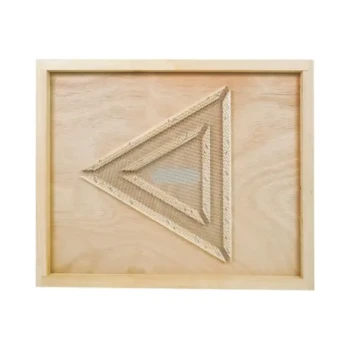
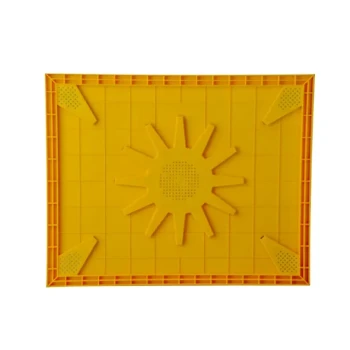
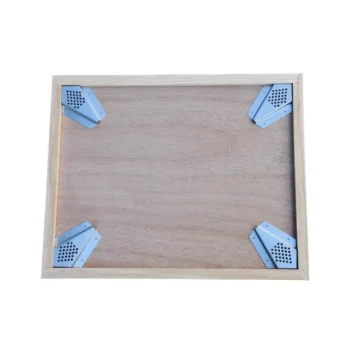
A screened bottom board is a modified floor for a beehive that replaces the standard solid wood flooring with a section of #8 hardware cloth or wire mesh. While it retains the same structural frame, entrance dimensions, and load-bearing capacity as a traditional solid board, the mesh floor provides a mechanical barrier that prevents bees and larger predators like wasps from entering from below. Crucially, the mesh allows small debris and parasites to fall out of the hive rather than accumulating on the floor.
Core Takeaway Beyond simply supporting the hive, a screened bottom board acts as a passive management tool that improves hive ventilation and assists in monitoring and reducing Varroa mite populations.
The Structural Design
Standardized Dimensions
Despite the difference in flooring material, the screened bottom board functions as the structural foundation of the colony. It possesses the same wooden frame and sides as a solid board, allowing it to bear the entire weight of the hive stack above it.
The #8 Mesh Standard
The defining feature is the #8 size wire mesh. This specific gauge is critical: the openings are small enough to effectively block honey bees, hornets, and wasps from passing through, ensuring colony security.
A Tool for Disease Management
Passive Mite Removal
The screen serves as a non-chemical method for controlling Varroa mites. When bees groom themselves or each other, dislodged mites fall off. On a solid floor, mites can crawl back onto a host; with a screened floor, they fall through the mesh and out of the hive, permanently removing them from the colony.
Monitoring Infestation Levels
Most screened bottom boards are designed to work with a removable grid board (often called a "sticky board"). This insert slides beneath the mesh to catch falling debris. Beekeepers use this to count fallen mites, providing an accurate estimate of the colony's infestation level without disturbing the bees.
Regulating Hive Climate
Superior Ventilation
The open nature of the screen provides excellent airflow, which is a significant advantage over solid boards. This allows for vertical air movement that reduces heat buildup, preventing the hive from overheating when located in full sun during the summer.
Moisture Control
Effective ventilation is equally important for humidity management. The airflow provided by the screen helps regulate moisture levels within the hive, which can be critical for bee health during the winter months.
Understanding the Limitations
Not a Standalone Cure
While screened bottom boards can reduce mite populations by allowing up to 10% of mites to fall out of the hive, this is insufficient as a sole treatment. It must be combined with other mitigation methods to effectively control a Varroa infestation.
Climate Considerations
While excellent for summer ventilation, the open bottom can introduce too much draft in extreme winter conditions. Beekeepers often use the insertable grid board to close off the screen during cold snaps to preserve hive warmth.
Making the Right Choice for Your Goal
Selecting a screened bottom board depends on your specific management needs and local environment.
- If your primary focus is Pest Monitoring: The screened board is essential, as the sticky board insert allows you to calculate mite drops accurately and time your treatments effectively.
- If your primary focus is Temperature Regulation: This board is the superior choice for hot climates, as it passively lowers the internal hive temperature through improved airflow.
- If your primary focus is Chemical-Free Management: While not a cure, this board aids natural beekeeping by physically removing a percentage of parasites from the colony without chemical intervention.
The screened bottom board transforms the hive floor from a simple structural component into an active tool for colony health and climate regulation.
Summary Table:
| Feature | Screened Bottom Board | Solid Wood Bottom Board |
|---|---|---|
| Material | #8 Wire Mesh (Hardware Cloth) | Solid Timber/Wood |
| Ventilation | High - Excellent airflow & moisture control | Low - Minimal vertical air movement |
| Mite Control | Passive removal via mesh openings | None - Mites remain on floor |
| Monitoring | Compatible with sticky boards for counting | Difficult to monitor without disruption |
| Best For | Hot climates & Varroa management | Extremely cold/windy winter climates |
Elevate Your Apiary Operations with HONESTBEE
Maximize your colony survival rates and operational efficiency with professional-grade beekeeping solutions. At HONESTBEE, we specialize in supporting commercial apiaries and global distributors with a robust wholesale inventory designed for scale and durability.
Why partner with us?
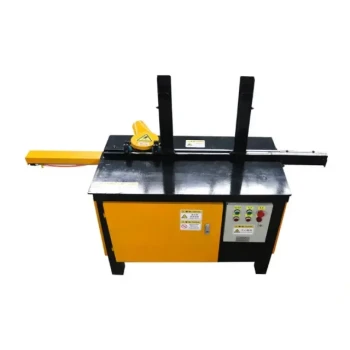
- Comprehensive Supply: From precision-engineered hive-making and honey-filling machinery to high-quality hardware like screened bottom boards.
- Industry Consumables: A full spectrum of essential supplies to keep your colonies thriving year-round.
- Cultural Merchandise: Unique honey-themed products to diversify your retail portfolio.
Whether you are scaling a commercial honey production line or stocking a distribution network, our team is ready to provide the tools and expertise you need.
Contact HONESTBEE Today for a Quote
Related Products
- Langstroth Screen Bottom Board for Beekeeping Wholesale
- Langstroth Solid Bottom Board for Beekeeping
- Australian Pine Wood Langstroth Screen Bottom Board for Wholesale
- Solid Bottom Board Australian Pine Wood Langstroth Bottom Board for Wholesale
- HONESTBEE Top Bar & Bottom Bar Forming Machine | Bee Frame Machine
People Also Ask
- What role do screen bottom boards and monitoring inserts play in assessing Varroa mite mortality and maintaining hive hygiene in Langstroth hives?
- What is the primary function of a screen bottom board? Achieve Accurate Varroa Mite Assessment in Your Apiary
- What is the primary function of a standard screen bottom board when assessing honeybee grooming behavior? - Key Mite Data
- Why is the combination of a screen bottom board and a sticky trap board essential for monitoring Varroa mite? Guide
- Why might a screen bottom board be less effective for pest control? Understanding the 'Mixed Sunlight' Complication