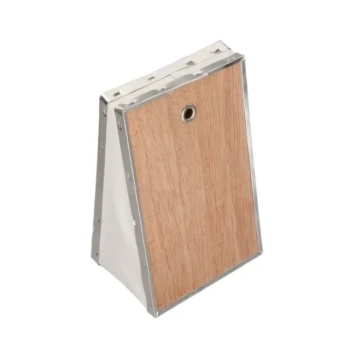
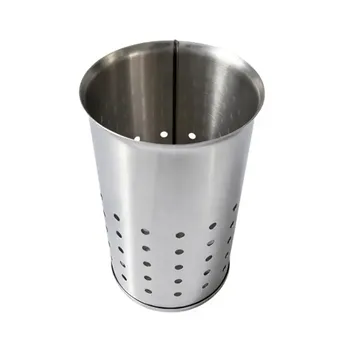
A smoker is a critical device in beekeeping consisting of a metal fuel chamber and an air bellows used to generate cool, white smoke. Its primary function is to sedate and calm honeybees during hive inspections, making the colony less defensive and significantly safer for the beekeeper to manage.
The smoker acts as a chemical jammer. By masking the alarm pheromones bees release when agitated, it prevents the colony from coordinating a defensive response against your presence.
The Biological Mechanism
Disrupting Chemical Signals
Honeybees communicate danger through scent. When a guard bee senses an intruder, she releases an alarm pheromone (often smelling like bananas) to alert the rest of the colony.
Smoke physically masks these chemical signals. Because the bees cannot smell the alarm, the message to attack or defend the hive is effectively blocked.
Reducing Defensive Behavior
When the alarm pheromone is neutralized, the colony remains in a passive state. This allows the beekeeper to open the hive, manipulate frames, and perform inspections without triggering a mass defensive reaction.
Redirecting Bee Movement
Beyond calming, smoke can be used directionally. A puff of smoke can physically drive bees away from specific areas, such as the super chamber or the edges of a box, reducing the risk of crushing them when replacing covers.
Anatomy and Operation
The Physical Construction
A standard smoker features a tin or stainless steel container (the firebox) attached to an elastic bulb or bellows. Squeezing the bellows forces oxygen into the firebox, keeping the fuel smoldering and pushing smoke out of the nozzle.
Fuel and Combustion
To function, the device requires specific smoker fuel—common options include wood shavings, rags, coconut husk, or charcoal. A lighter is used to ignite these materials within the canister.
The Importance of "Cool" Smoke
The goal is to produce cool, thick white smoke. This type of smoke is dense enough to mask pheromones but cool enough not to harm the bees.
Understanding the Trade-offs
Temperature Control is Vital
The most common error is using smoke that is too hot. If the smoke is hot or the fuel flares up, it will singe the bees' wings and bodies. This causes extreme agitation rather than calmness, defeating the tool's purpose.
Timing and Patience
Smoke is not instant magic. After puffing smoke into the entrance, you must wait a brief period for it to circulate. Opening the hive immediately after smoking does not give the pheromone-masking effect enough time to work.
Avoiding Over-Smoking
While essential, smoke should be used judiciously. The goal is to mask pheromones, not to choke the colony. Excessive smoke can stress the bees unnecessarily and contaminate the hive environment.
Making the Right Choice for Your Goal
Using a smoker is about balance and observation. Here is how to apply this tool effectively:
- If your primary focus is routine inspection: Apply a few puffs at the entrance and wait 1-2 minutes to allow the smoke to mask alarm signals before opening the cover.
- If your primary focus is preventing injury: Keep the smoker lit and within reach at all times to immediately neutralize any sudden increase in agitated buzzing.
Mastering the smoker is the single most important step in moving from a nervous novice to a confident, safe beekeeper.
Summary Table:
| Feature | Description | Benefit |
|---|---|---|
| Primary Function | Masking alarm pheromones | Prevents defensive colony responses |
| Mechanism | Chemical disruption | Sedates bees and facilitates frame handling |
| Fuel Sources | Wood shavings, burlap, coconut husk | Produces cool, thick white smoke |
| Physical Components | Firebox (canister) and bellows | Controlled combustion and smoke direction |
| Key Precaution | Temperature control | Prevents singeing wings or harming bees |
Elevate Your Apiary Operations with HONESTBEE
At HONESTBEE, we specialize in empowering commercial apiaries and distributors with premium-grade beekeeping solutions. Whether you are looking for high-capacity honey-filling machines, durable stainless steel smokers, or precision hive-making machinery, our comprehensive wholesale portfolio is designed to maximize your efficiency and safety.
From essential consumables to specialized hardware and honey-themed merchandise, we provide the tools you need to scale your business. Ready to upgrade your equipment? Contact us today to discuss our volume pricing and how our expertise can benefit your beekeeping enterprise!
Related Products
- Miniature Stainless Steel Bee Smoker for Beekeeping
- Stainless Steel Honey Bee Smoker Hive and Honeycomb Smoker for Beekeeping
- Professional Bee Smoker with Elongated Spout and Durable Bellows for Beekeeping
- Electric Bee Smoker European Style Bee Hive Smoker for Beekeeping
- Galvanized Beekeeping Smoker for Honey Bee and Apiculture
People Also Ask
- What are bee smokers made out of? Choose the Right Material for Your Apiary
- How should a beekeeping smoker be used when inspecting a hive? Master Calm Hive Management Techniques
- What is the mechanism by which a beekeeping smoker controls honeybee aggression? Unlock Calm Hive Inspections
- What is the function of a beekeeping smoker? Enhance hive safety and specimen collection with professional precision.
- How does smoke from a beekeeping smoker affect honeybees? Master Hive Control with Science