Beeswax processing transforms a secondary byproduct into a primary economic driver, shifting an apiary’s focus from simple resource extraction to high-value manufacturing. By investing in refining technology, beekeepers can convert crude wax into premium commercial goods while simultaneously improving hive efficiency and biological health.
Core Takeaway Beeswax utilization is a dual-strategy investment: it generates immediate revenue through high-margin products like cosmetics and candles, while internally reducing apiary costs. Crucially, recycling wax into foundation sheets lowers the biological energy burden on bees, directly resulting in higher honey yields and a contaminant-free environment.
The Economic Value of Deep Processing
Diversifying Revenue Streams
Raw beeswax is often treated as waste or sold cheaply, but refining it unlocks significant market value. By processing crude wax into pure beeswax, operations can manufacture value-added goods such as candles and cultural merchandise.
This diversification insulates beekeepers from fluctuations in honey prices. It creates a stable, secondary income source that turns a disposal problem into a profit center.
Accessing High-End Markets
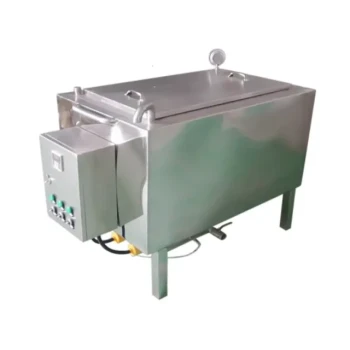
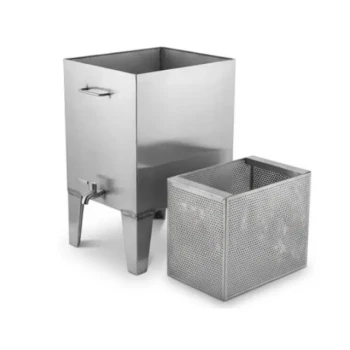
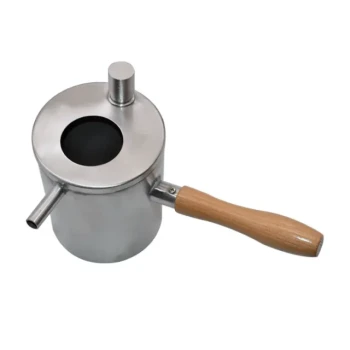
Basic straining is insufficient for high-value applications; deep processing is required to reach industrial standards. Specialized equipment can refine wax through controlled melting, filtration, and decolorization.
This results in high-purity, medicinal, or industrial-grade wax. These grades command premium prices in the pharmaceutical, cosmetic, and manufacturing sectors, significantly boosting the total return on investment for the operation.
Operational Efficiency and Biological Impact
The Energy-Honey Trade-off
Bees consume significant amounts of honey and energy to secrete the wax needed to build combs. When beekeepers recycle processed wax into foundation sheets, they provide the colony with a "head start."
This reduces the metabolic energy bees must spend on secretion. Consequently, the colony can redirect that energy toward foraging and nectar storage, indirectly increasing the overall honey production of the hive.
Securing the Supply Chain
A beeswax foundation sheet machine allows an apiary to become self-sufficient. Instead of purchasing consumables from external suppliers, the operation processes its own raw wax into standardized sheets.
This ensures a steady, reliable supply of necessary materials for the apiary management cycle. It eliminates dependency on volatile external markets and ensures the availability of comb foundation exactly when the season demands it.
Quality Control and Contamination Management
Closing the Ecological Loop
Maintaining an internal beeswax cycle is a critical defense against biological and chemical threats. External commercial foundation sheets may contain pesticide residues or synthetic additives from other regions.
By refining and reusing wax produced exclusively within the same apiary, beekeepers maintain a closed loop. This prevents external contaminants from entering the core ecological niche of the colony.
Enabling "High-End" Branding
The purity of the comb directly impacts the purity of the honey stored within it. A chemically inert, recycled wax foundation provides a clean physical base for the colony.
This is essential for producing residue-free, high-end honey. It allows the apiary to market its primary product as chemically clean, justifying higher price points based on superior quality control.
Understanding the Trade-offs
Capital and Complexity
While the economic benefits are clear, moving into processing requires upfront capital for specialized rendering equipment and foundation machines. It introduces a manufacturing layer to an agricultural operation, requiring new skills in machinery maintenance and quality assurance.
Volume Requirements
Deep processing is most effective when there is sufficient raw material to justify the equipment operation costs. Smaller operations may find that the energy and time required to refine small batches of wax outweigh the immediate economic returns compared to simple bulk sales.
Making the Right Choice for Your Goal
To maximize the value of beeswax processing, align your strategy with your specific operational focus:
- If your primary focus is Revenue Growth: Invest in high-purity refining equipment to target the lucrative cosmetic and pharmaceutical material markets.
- If your primary focus is Honey Yield: Prioritize foundation sheet machinery to recycle wax internally, reducing bee energy expenditure and maximizing nectar storage.
- If your primary focus is Product Purity: Establish a strict closed-loop recycling system to eliminate external contaminants and certify your honey as residue-free.
Success in modern beekeeping lies not just in harvesting honey, but in mastering the complete resource cycle of the hive.
Summary Table:
| Value Category | Key Benefit | Impact on Operation |
|---|---|---|
| Revenue Growth | Value-added products (candles, cosmetics) | Diversifies income and insulates against honey price drops. |
| Market Access | High-purity medical/industrial wax | Unlocks premium pricing in pharmaceutical and cosmetic sectors. |
| Honey Yield | Recycled wax foundation sheets | Reduces bee energy expenditure, allowing more focus on foraging. |
| Supply Chain | Self-sufficiency in consumables | Eliminates dependency on external suppliers and market volatility. |
| Quality Control | Closed-loop recycling system | Prevents pesticide contamination and supports high-end branding. |
Elevate Your Apiary's Efficiency with HONESTBEE
Transform your secondary byproducts into primary profit centers. HONESTBEE specializes in empowering commercial apiaries and distributors with the tools needed for industrial-grade success. From high-precision hive-making and honey-filling machines to professional beeswax processing equipment, we provide the full spectrum of hardware and essential industry consumables.
Whether you are looking to scale your wholesale offering or refine your internal production cycle, our expert solutions help you achieve higher yields and superior product purity. Partner with us to master the complete resource cycle of your hive.
Ready to upgrade your operation?
Contact us today to explore our wholesale solutions
References
- Gaurav Kumar, Nasreen Musheer. A study on honey production and marketing in Behat region of district Saharanpur. DOI: 10.22271/j.ento.2022.v10.i4a.9036
This article is also based on technical information from HonestBee Knowledge Base .
Related Products
- Manual Beeswax Flat Sheet Machine for Beeswax Processing
- Electric Beeswax Flat Sheet Machine with Operating Tray for Wax Processing
- Beeswax Machine Press Embosser Wax Foundation Mold Printer Bee Hive Equipment Making Sheet
- Electric Commercial Beeswax Melter for Factory Use
- Steam Beeswax Melter Wax Warmer for Wax Processing
People Also Ask
- What is the primary function of the double-roller extrusion system? Master Precision Beeswax Foundation Production
- How do cultural merchandise processing machines contribute to the economic value chain? Boosting Apiary Profitability
- What are some practical tips for managing equipment and workspace when processing beeswax? Essential Studio Setup Tips
- How do specialized beeswax processing machines maximize the value of beekeeping by-products? Boost Your Apiary's ROI
- What role does beeswax processing equipment play in development of by-products? Turn Apiary Waste into High-Value Profit