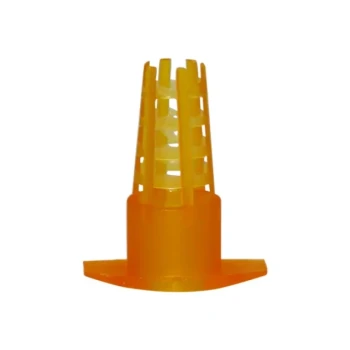
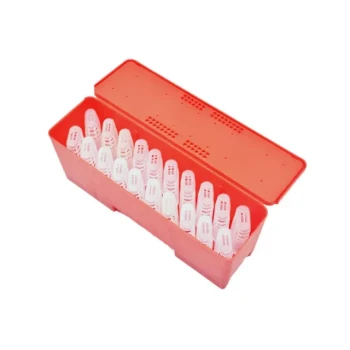
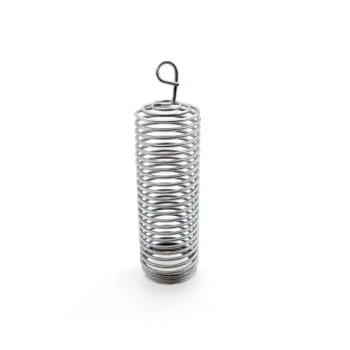
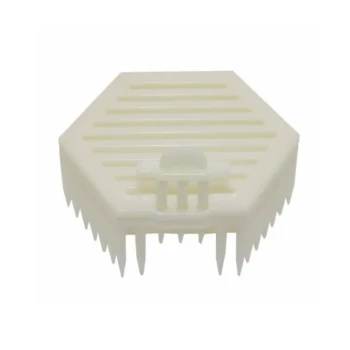
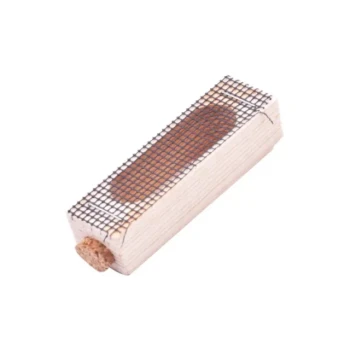
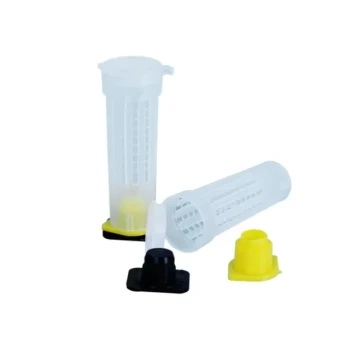
The final critical step in the queen rearing process is the physical relocation of the queen cells. Just as the new queens are on the verge of hatching, each individual cell must be carefully transferred from the cell-raising colony into a separate mating colony.
The process culminates in separation. Moving the cells to individual mating colonies is essential to allow each new queen to emerge, mate, and successfully establish her own independent colony.
Executing the Transfer
The Importance of Timing
The transfer must occur precisely when the new queens are on the verge of hatching. Moving them too early or too late can jeopardize the process.
Separation is Key
You must take each individual queen cell out of the collective cell-raising colony.
The Destination
Each cell is placed into a separate mating colony. This ensures that every new queen has her own designated space to begin her life cycle.
Why This Step is Necessary
Enabling Emergence
The primary goal of the transfer is to create the right conditions for birth. The mating colony provides a safe environment that allows the new queen to emerge from her cell without interference.
Facilitating the Mating Flight
Once emerged, the queen's biological priority is reproduction. The separate colony serves as a home base from which she can leave to mate and return safely.
Establishing Independence
The ultimate objective is colony growth. This separation allows the queen to begin her own colony, transitioning from a dependent cell to the egg-laying leader of a new hive.
Critical Considerations
Precision Handling
This process requires a gentle touch. The reference emphasizes that cells must be carefully moved, as the developing queens inside are vulnerable to physical shock.
Resource Preparation
You cannot leave this step until the last minute. You must have enough mating colonies prepared and ready to receive the exact number of queen cells you have raised.
Ensuring a Successful Transition
To maximize the success rate of your new queens, focus on the logistics of the move.
- If your primary focus is survival: Ensure the transfer is performed with extreme care to prevent physical damage to the developing wing or legs of the queen inside the cell.
- If your primary focus is colony establishment: Verify that every mating colony is fully prepared to support the new queen immediately upon her emergence.
Precision during this final transfer sets the foundation for a healthy, productive apiary.
Summary Table:
| Stage | Action | Purpose |
|---|---|---|
| Timing | On the verge of hatching | Prevent developmental damage |
| Action | Transfer to mating colony | Provide individual space for emergence |
| Goal | Facilitate mating flight | Ensure the queen returns to her own colony |
| Outcome | Colony establishment | Transition to an independent, egg-laying leader |
Scale Your Apiary with HONESTBEE Professional Solutions
Successful queen rearing is the backbone of a productive honey business. At HONESTBEE, we empower commercial apiaries and distributors with the high-precision tools needed for every stage of the process—from queen-rearing kits to professional-grade hive-making and honey-filling machinery.
Whether you are looking for specialized hardware or essential industry consumables, our comprehensive wholesale offering ensures your operations remain efficient and scalable. Contact us today to discuss your equipment needs and see how our expertise can help you establish stronger, more productive colonies.
Related Products
- Brown Nicot Queen Cell Cups for Breeding Queen Bees Beekeeping
- JZBZ Type Wide Base Plastic Queen Cell Cups for Base Mounting and Queen Rearing
- Clear Black Plain Polystyrene Queen Bee Grafting Cell Cups No Lug for Bee Queen Cup
- JZBZ Style Shipping Cell Protector for Queen Rearing Kit
- Premium Nicot Style Cell Bar Holder and Queen Cell Cup Holder System
People Also Ask
- What role do specialized queen rearing tools play in developing mite-resistant honeybee stock? Master Genetic Selection
- What materials are used to make artificial queen cell cups for grafting? Beeswax vs. Plastic Guide
- What roles do specialized queen cell cups play in royal jelly production? Optimize Your Hive's Secretion and Yield
- How does the standardized depth of queen cell cups affect larval acceptance? Boost Success with 6mm Precision
- Why is a diluted royal jelly solution applied to queen cell cups? Boost Acceptance in Artificial Grafting