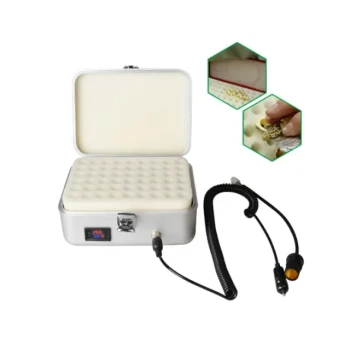
The honeybee instrumental insemination instrument is the primary catalyst for accelerated breeding, enabling the reduction of the generation interval from two years to one. By allowing breeders to bypass the seasonal constraints of natural mating and the requirement for drone production cycles, this equipment ensures a continuous, high-speed path toward genetic improvement.
This instrument functions as the core technical tool that transitions honeybee breeding from a seasonal, weather-dependent process into a controlled, laboratory-grade operation. It provides the precision necessary to consolidate desirable traits and maximize genetic gain within a significantly compressed timeframe.
Eliminating Temporal and Seasonal Constraints
Shortening the Generation Interval
The most critical function of this instrument is its ability to halve the traditional breeding cycle. While natural mating programs typically require two years to evaluate and progress a generation, instrumental insemination allows for a one-year interval, doubling the rate of potential genetic gain over time.
Bypassing Drone Production Windows
In natural cycles, breeders must wait for the peak drone production season, usually limited to spring or early summer. Instrumental insemination utilizes stored drone semen, allowing for the insemination of young virgin queens regardless of the current drone population or external weather conditions.
Ensuring Breeding Continuity
Professional breeding programs require consistent progress to remain competitive. This equipment provides a reliable technical prerequisite for year-round planning, ensuring that breeding schedules are not disrupted by unfavorable environmental factors or geographic limitations.
Precision Control for Targeted Genetic Gain
Manual Control Over Parental Matings
Unlike natural mating, which is highly unpredictable, instrumental insemination offers full manual control over genetic combinations. Breeders can selectively pair specific queens with drones possessing high-value traits such as Varroa mite resistance, high foraging activity, or low swarming tendencies.
Establishing High-Consistency Lines
The instrument facilitates single-drone insemination, a process vital for research and the establishment of colonies with extremely specific genetic backgrounds. This level of precision is necessary for studying the inheritance effects of specific traits and ensuring uniformity across commercial bee stocks.
Conservation and Purity
For programs focused on indigenous species restoration or biodiversity, this equipment prevents hybridization with non-native subspecies. It acts as a biological barrier, maintaining the genetic purity of lineages in regions where natural geographic isolation (like islands or mountains) is unavailable.
Technical Standards for Professional Operations
Microliter Precision and Success Rates
Modern instruments utilize high-precision micro-control systems to achieve standardized semen injection, often accurate to the microliter level. This quantitative approach significantly improves the survival and egg-laying success rates of virgin queens, ensuring that valuable genetic material is not wasted.
Laboratory-Grade Reliability
To meet the needs of professional distributors and large-scale operations, these instruments are designed for repeatable, standardized use. High-quality equipment minimizes physical trauma to the queen, which is essential for maintaining her long-term productivity and performance within a commercial colony.
One-Stop Sourcing and Expertise
For B2B resellers, offering a full-spectrum product portfolio—from the insemination instruments to the necessary microscopic accessories—is vital. Providing deep professional expertise alongside ultra-fast delivery ensures that breeding programs can maintain their accelerated pace without hardware-related downtime.
Understanding the Trade-offs and Operational Risks
The Technical Skill Gap
While the instrument provides the capability for accelerated gain, it requires a high degree of technical proficiency. Success rates are heavily dependent on the technician’s skill in microscopic manipulation and sterile technique.
Maintenance and Sterilization Requirements
The precision of these instruments makes them sensitive to environmental contaminants. Improper sterilization of hooks or syringes can lead to infection and high queen mortality, potentially offsetting the genetic gains achieved through the accelerated cycle.
Initial Investment vs. Long-term ROI
The high cost of laboratory-grade equipment and specialized training represents a significant initial investment. However, for large-scale operations, the economic value of shortening the breeding cycle and producing high-performance queens generally outweighs these upfront costs.
Selecting the Right Equipment for Your Client's Goals
As a distributor or wholesaler, your recommendations should align with the specific technical maturity and scale of your client's breeding program.
- If your primary focus is Commercial Queen Production: Prioritize instruments known for high-throughput efficiency and durability to maximize the volume of fertilized queens per season.
- If your primary focus is Genetic Research and Conservation: Select high-precision models with micro-control systems that allow for exact, microliter-level semen measurement and single-drone capability.
- If your primary focus is Remote or Island Breeding Programs: Emphasize portable, robust kits that provide geographic independence while maintaining laboratory-grade accuracy.
The strategic implementation of instrumental insemination is the most effective way to transform honeybee genetics and ensure long-term colony resilience and productivity.
Summary Table:
| Key Function | Benefit to Breeding Programs | Impact on Genetic Gain |
|---|---|---|
| Cycle Compression | Reduces generation interval from 2 years to 1 | Doubles the rate of genetic improvement |
| Seasonal Independence | Bypasses drone production windows & weather | Enables year-round breeding & planning |
| Manual Mating Control | Selective pairing for specific traits (e.g., Varroa resistance) | Ensures high-consistency commercial lines |
| Genetic Purity | Biological barrier against hybridization | Maintains indigenous species restoration |
| Micro-precision | Standardized microliter-level semen injection | Increases survival & egg-laying success |
Scale Your Breeding Business with HONESTBEE
As a leading global supplier, HONESTBEE empowers distributors and commercial apiaries with a one-stop sourcing solution for high-precision beekeeping technology. Our comprehensive portfolio ranges from laboratory-grade instrumental insemination kits and honey-filling machinery to essential industry consumables.
Why partner with HONESTBEE?
- Maximize Profit Margins: Premium wholesale pricing and reliable supply chains.
- Industry Expertise: Deep professional support to help your clients bridge the technical skill gap.
- Efficiency: Ultra-fast delivery and rapid response times to keep breeding programs on schedule.
- Full Spectrum: We provide everything from hardware to honey-themed cultural merchandise.
Ready to enhance your product offering and drive genetic progress? Contact our expert team today to discuss OEM/ODM support and wholesale opportunities!
References
- Tristan Kistler, Piter Bijma. How partial phenotyping to reduce generation intervals can help to increase annual genetic gain in selected honeybee populations. DOI: 10.1038/s41437-025-00768-8
This article is also based on technical information from HonestBee Knowledge Base .
Related Products
- Queen Bee Artificial Insemination Instrument Equipment for Instrumental Insemination
- Stainless Steel Beekeeping Queen Grafting Tool for Honey Bee Rearing
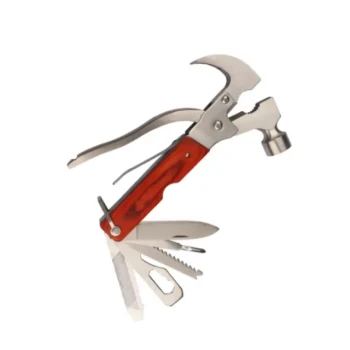
- HONESTBEE 15-in-1 Beekeeper Multi-Tool with Hammer and Pliers for Beekeeping
- Plastic Beekeeping Honey Bee Larvae Grafting Tools for Queen Rearing and Chinese Grafting
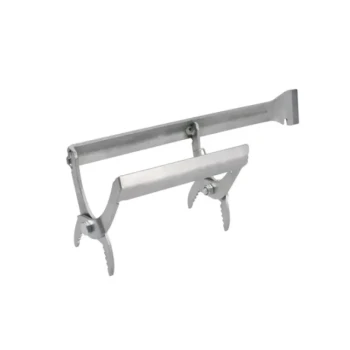
- Professional Stainless Steel Pry-Bar Hive Tool
People Also Ask
- Why is maintaining sanitary conditions important during artificial insemination? Protect Your Queen from Fatal Infections
- Why are artificial insemination instruments critical in bee hybridization? Master Genetic Control & Pure Breeding
- What is the core value of bee artificial insemination instruments in breed improvement? Achieve Precise Genetic Control
- Why is professional bee artificial insemination equipment considered a core tool for genetic control in honeybee breeding? Ensure 100% Purity
- Why is high-purity CO2 used for queen bee artificial insemination? Unlock Precision Breeding & Faster Egg-Laying