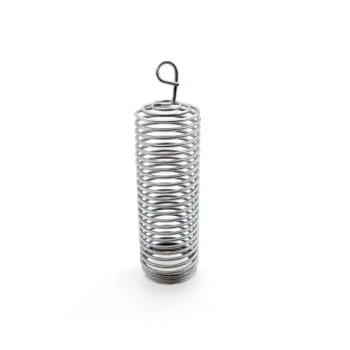
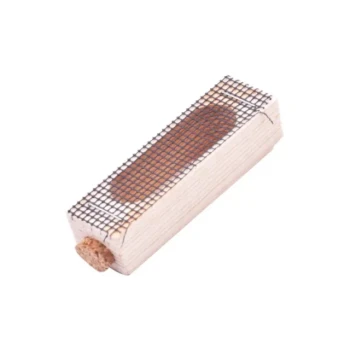
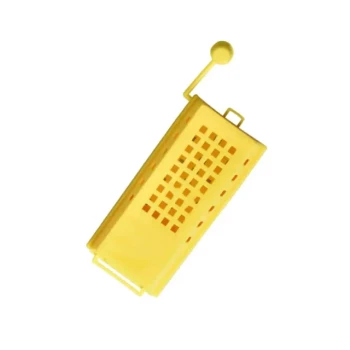
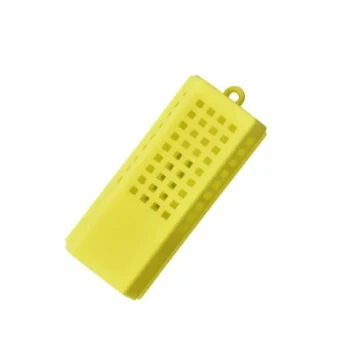
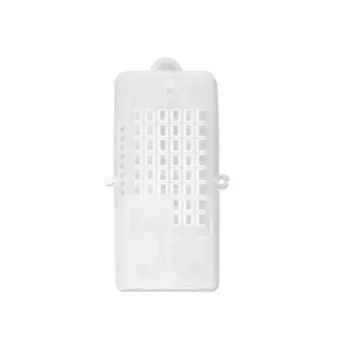
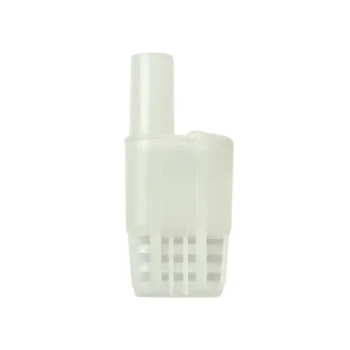
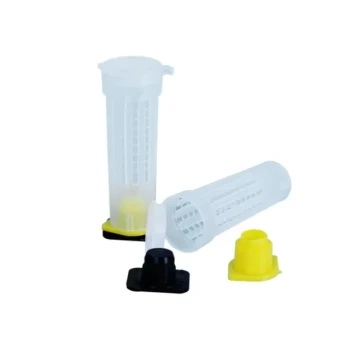
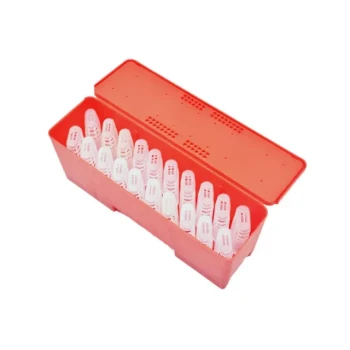
A queen cage is a protective enclosure primarily designed to safely transport a queen bee and introduce her into a new colony. It acts as a physical barrier that prevents direct contact between the queen and the worker bees, allowing the colony to acclimate to her presence without the risk of aggression or rejection.
The queen cage is more than a shipping container; it is a biological integration tool. Its fundamental purpose is to enforce a gradual "get-to-know-you" period, allowing the queen's pheromones to permeate the hive while protecting her from being killed by workers who do not yet recognize her.
The Mechanics of Safe Introduction
To understand the function of the cage, you must understand the biology of the hive. A colony relies on scent (pheromones) to identify friend from foe.
Pheromone Acclimation
When a new queen is introduced, she smells foreign to the existing colony. Without a barrier, the worker bees would view her as an intruder.
The cage, typically made of wire mesh or plastic with slits, allows air to flow freely. This circulates the queen's pheromones throughout the hive, slowly overwriting the colony's scent profile with her own.
Prevention of "Balling"
If a queen is released immediately, workers will often "ball" her—surrounding her in a tight cluster to overheat or sting her to death.
The cage creates a safe zone. It protects the queen from physical attacks while allowing workers to interact with her through the screen. This interaction is crucial for the transition from aggression to acceptance.
Sustenance During Transition
The queen cannot forage for herself. The cage is equipped with a food source, typically a sugar solution or candy, to sustain her.
This ensures she remains in a stable physiological state during transportation and the initial days of introduction before the workers begin feeding her directly.
Operational Uses in Beekeeping
While introduction is the primary function, the cage serves several specific operational roles depending on the beekeeper's immediate goal.
Transportation and Logistics
The cage serves as a secure travel unit for shipping queens from breeders to beekeepers.
It keeps the queen confined and safe from external disturbances. Inside the cage, she is often accompanied by a few "attendant" nurse bees who care for her during the journey.
Re-queening Failing Colonies
When an old queen is failing or a colony becomes queenless, a new queen must be installed.
The cage allows the beekeeper to place the new genetic line into the hive immediately, while mechanically delaying her release until the colony's mood shifts from defensive to accepting.
Temporary Isolation
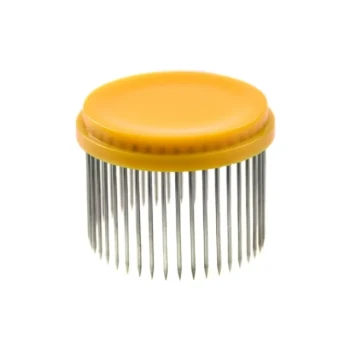
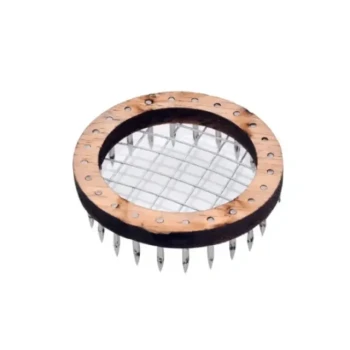
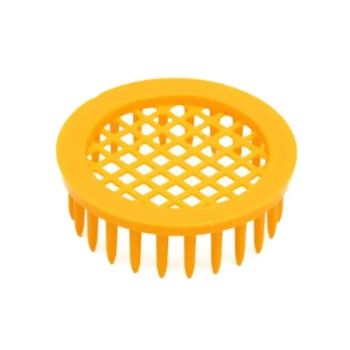
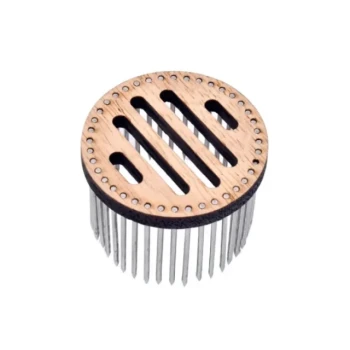
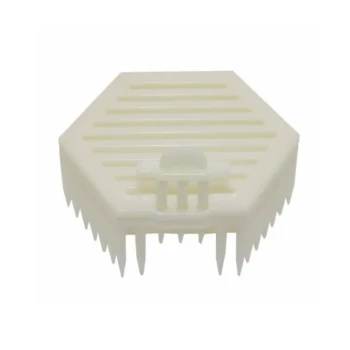
During complex hive inspections or manipulations, a beekeeper may use a cage (sometimes a "push-in" cage made of hardware cloth) to isolate the resident queen.
This prevents her from moving to frames that are being extracted or manipulated, ensuring she is not accidentally crushed or lost during the work.
Understanding the Trade-offs
While essential, the queen cage is not a guarantee of acceptance. Misuse can lead to failure.
The Risk of Premature Release
The cage usually relies on a candy plug that workers eat through to release the queen. If the candy is consumed too quickly (within hours), the queen may emerge before the colony has accepted her scent.
This almost always results in the colony killing the new queen.
Stress and Confinement
The cage restricts the queen's movement and prevents her from laying eggs.
Prolonged confinement in a cage can stress the queen. While necessary for introduction, the goal should always be to release her as soon as it is safe to do so to allow her to return to her biological function of egg-laying.
Making the Right Choice for Your Goal
How you utilize the queen cage depends on the specific status of your colony.
- If your primary focus is introducing a mailed queen: Ensure the candy plug is exposed but not completely removed; rely on the workers to release her over 2-3 days to ensure pheromone integration.
- If your primary focus is hive inspection: Use a simple clip or push-in cage to temporarily sequester the queen, preventing accidental injury while you manipulate frames.
- If your primary focus is creating a new split: Cage the new queen for at least 24 hours before allowing any release mechanism to begin, giving the queenless split time to realize they need a new leader.
The queen cage is the single most important tool for managing the delicate biological transition of power within a honey bee colony.
Summary Table:
| Feature | Primary Function | Key Benefit |
|---|---|---|
| Pheromone Barrier | Controls scent dispersal | Facilitates colony acceptance without aggression |
| Physical Protection | Prevents 'balling' | Protects the queen from physical attacks by workers |
| Candy Plug | Delayed release mechanism | Automates the introduction over a safe 2-3 day period |
| Transportation | Secure travel enclosure | Allows safe shipping of queens with attendant nurse bees |
| Isolation Tool | Temporary sequestration | Protects the queen during hive inspections or splits |
Secure Your Apiary's Future with HONESTBEE
Successful beekeeping starts with the right tools. At HONESTBEE, we specialize in supporting commercial apiaries and distributors with high-quality beekeeping equipment designed for efficiency and safety. From precision-engineered queen cages and hive-making machinery to professional honey-filling lines and essential consumables, our comprehensive wholesale portfolio covers every industry need.
Partner with us to streamline your operations and provide your customers with the best in honey-themed merchandise and specialized hardware.
Ready to scale your beekeeping business? Contact HONESTBEE Today
Related Products
- Durable Galvanized Steel Spring Queen Bee Cage
- Classic Wooden and Mesh California Queen Cage
- Professional Queen Bee Introduction and Transport Cage
- Professional Queen Cage with Sliding Gate and Feeder Plug
- Professional Multi-Compartment Queen Cage with Sliding Lid
People Also Ask
- Why are specialized queen bee cages used for the banking of mated queen bees? Maximize Commercial Apiary Storage Efficiency
- What is the mechanism of action for using temporary queen bee cages? Master Successful Queen Introduction
- What is the step-by-step process for installing a queen bee's cage onto a frame? Ensure Hive Acceptance Safely
- What is the optimal placement for a queen bee cage? Essential Strategies for Successful Re-queening
- What are the advantages and disadvantages of introducing a queen bee by embedding the cage? Boost Your Queen Acceptance