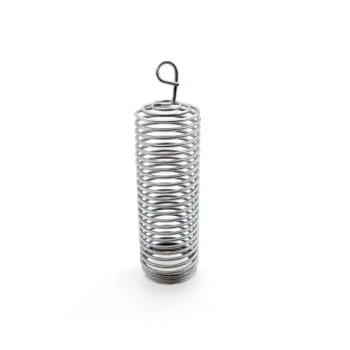
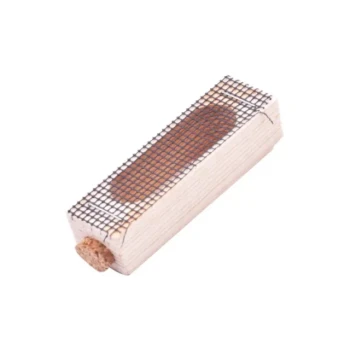
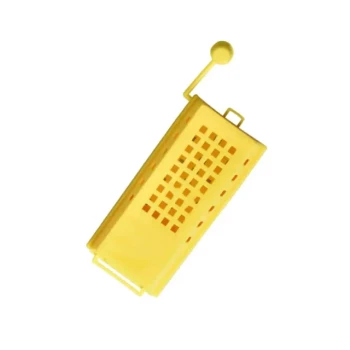
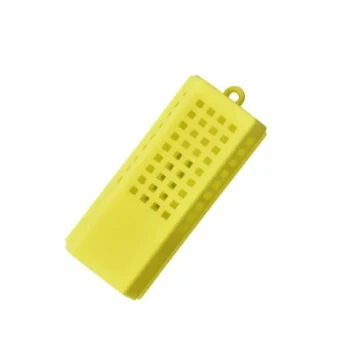
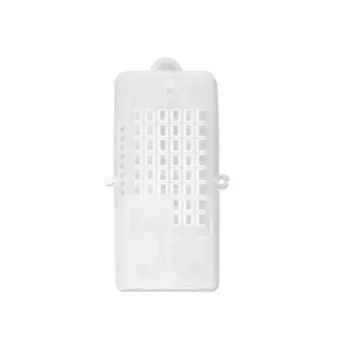
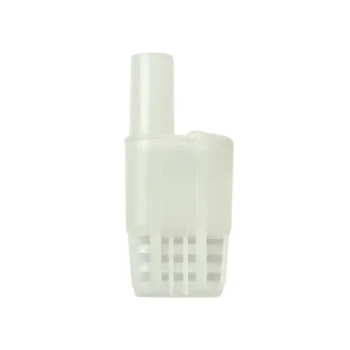
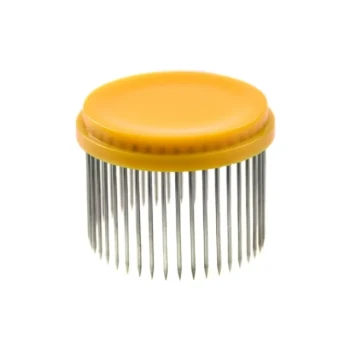
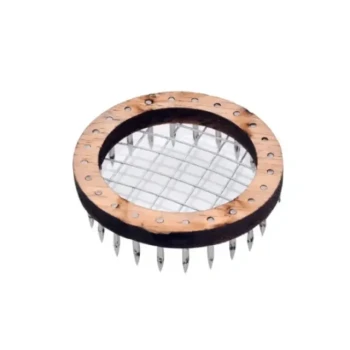
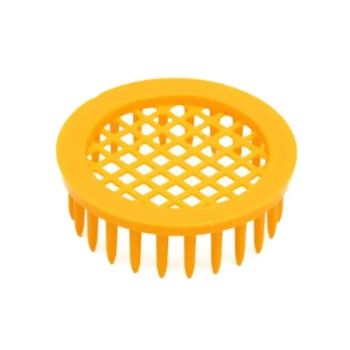
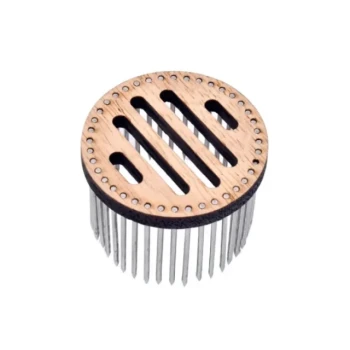
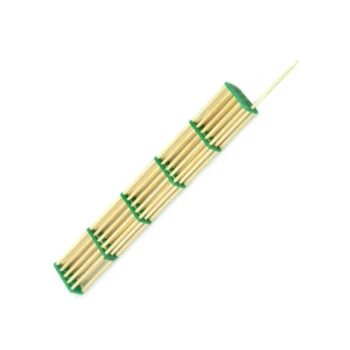
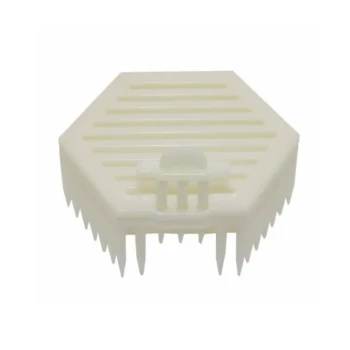
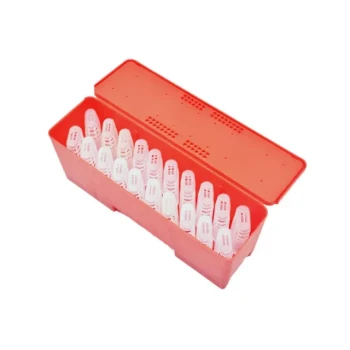
A queen cage functions as a critical isolation and protection tool used to safely manage the queen bee during high-risk transitions, such as introduction to a new hive, transport, or colony integration. By physically restricting the queen’s movement and shielding her from aggressive worker bees, the cage acts as a biological buffer that ensures her survival while the colony adjusts to her presence.
The queen cage is more than a container; it is a mechanism for controlled social integration. It balances physical safety with chemical communication, allowing the colony to accept the queen's pheromones before direct contact occurs, thereby securing the hive's reproductive future.
The Mechanics of Queen Protection
Isolation During Transition
The primary function of the queen cage is to provide a secure physical barrier. When a queen is introduced to a new colony, she is viewed as a foreign intruder.
Without the cage, the colony's defensive structure would trigger an immediate attack by worker bees, likely resulting in the queen's death. The cage prevents this direct physical contact.
Pheromone Diffusion and Acceptance
While the cage stops physical attacks, it allows for airflow and odor exchange. This is vital for optimizing the colony's social distribution.
The cage serves as a medium for the queen’s pheromones to diffuse slowly throughout the hive. This gradual exposure allows the worker bees to acclimate to her specific scent, shifting their behavior from aggression to acceptance.
Restoring Social Order
The colony relies on the queen for stability. By keeping the queen safe during this volatile period, the cage facilitates the restoration of the colony's normal social order.
This ensures that once released, the queen can immediately resume her role, maintaining the reproductive strength and genetic continuity of the hive.
The Role of Controlled Release
The Candy Plug Mechanism
To optimize the timing of the introduction, many professional queen cages utilize a "candy plug" at the entrance. This serves as an automated, slow-release timer.
Worker bees must eat through this candy barrier to release the queen, a process that typically takes 1 to 2 days.
Creating a Safety Buffer
This delay is intentional and critical. It creates a mandatory buffer period where physical interaction is impossible, but chemical communication is active.
By the time the workers chew through the candy, the queen’s pheromones have usually been accepted by the colony, significantly minimizing the risk of rejection or "balling" (killing) the queen upon exit.
Understanding the Trade-offs
While queen cages are essential for survival during transitions, they do impose temporary limitations on the colony.
Temporary Reproductive Halt
While confined in the cage, the queen cannot lay eggs. This creates a brief pause in brood production. While usually negligible, prolonged confinement can delay colony growth.
Risk of User Error
The cage is not a guarantee of acceptance. If the colony is not queenless, or if the cage is opened too early (before the 1-2 day buffer), the protection offered by the cage is nullified, and the queen remains at risk.
Implementing This in Your Apiary
To effectively use a queen cage for colony optimization, you must align your method with your specific management goal.
- If your primary focus is introducing a new genetic line: Rely on the candy plug mechanism to enforce a 1-2 day acclimatization period, ensuring the new genetics are not rejected.
- If your primary focus is merging two colonies: Cage the dominant queen you wish to keep to protect her during the chaotic reorganization of the combined workforce.
- If your primary focus is transport: Use the cage strictly for physical protection and ventilation to prevent injury during movement, without exposing the candy plug.
By controlling the pace of introduction, you transform a potentially fatal encounter into a successful biological integration.
Summary Table:
| Feature | Primary Function | Impact on Colony Optimization |
|---|---|---|
| Physical Barrier | Prevents worker aggression | Ensures queen survival during high-risk transitions |
| Pheromone Diffusion | Allows scent exchange | Facilitates gradual colony acceptance and social order |
| Candy Plug | Acts as a timed release | Creates a 1-2 day buffer for safe biological integration |
| Isolation | Restricts movement | Enables safe transport and introduction of new genetics |
Maximize Your Apiary's Success with HONESTBEE
At HONESTBEE, we understand that every queen is a vital investment in your colony's future. As a leading supplier for commercial apiaries and distributors, we provide the full spectrum of professional-grade beekeeping tools, from precision-engineered queen cages to advanced hive-making and honey-filling machinery.
Whether you are scaling your distribution or managing thousands of hives, our comprehensive wholesale offerings and essential industry consumables are designed to optimize your operations. Contact us today to explore our full portfolio and wholesale solutions—let’s build a more productive beekeeping future together.
References
- Yidiat O. Aderinto, T O Aliu. Optimization of Honey Bee Production. DOI: 10.46300/9101.2020.14.13
This article is also based on technical information from HonestBee Knowledge Base .
Related Products
- Durable Galvanized Steel Spring Queen Bee Cage
- Classic Wooden and Mesh California Queen Cage
- Professional Queen Bee Introduction and Transport Cage
- Professional Queen Cage with Sliding Gate and Feeder Plug
- Professional Multi-Compartment Queen Cage with Sliding Lid
People Also Ask
- Why are specialized queen bee cages used for the banking of mated queen bees? Maximize Commercial Apiary Storage Efficiency
- What is the mechanism of action for using temporary queen bee cages? Master Successful Queen Introduction
- What is the step-by-step process for installing a queen bee's cage onto a frame? Ensure Hive Acceptance Safely
- What is the optimal placement for a queen bee cage? Essential Strategies for Successful Re-queening
- What are the advantages and disadvantages of introducing a queen bee by embedding the cage? Boost Your Queen Acceptance