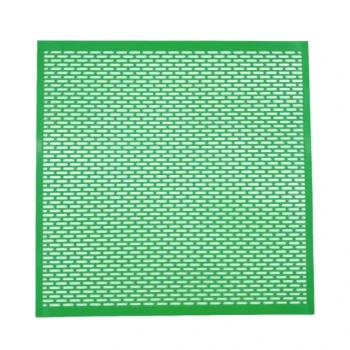
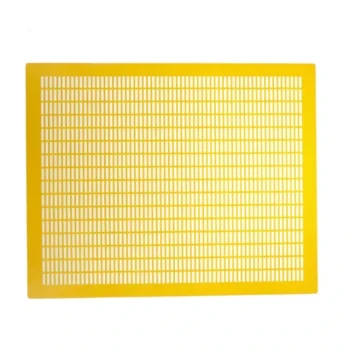
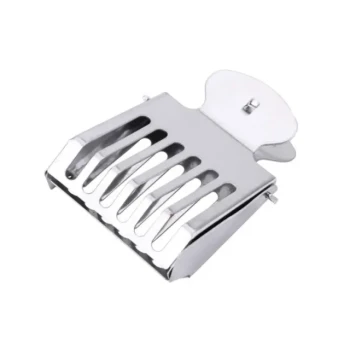
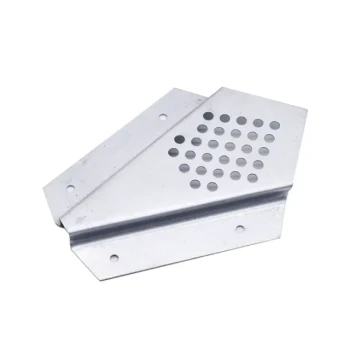
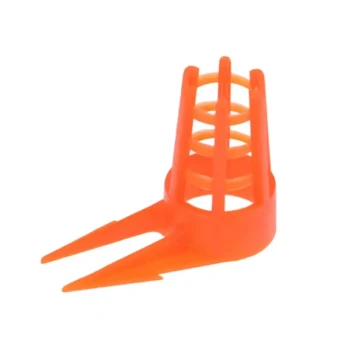
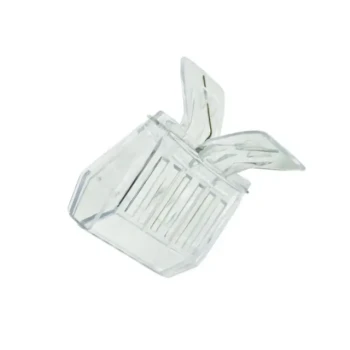
In the context of artificial queen bee rearing, the Queen Excluder functions as a critical zoning tool. It physically partitions the colony into two distinct environments: a queenless "nursing zone" and a queen-right "maintenance zone." This separation allows beekeepers to induce the intense feeding behavior required for raising new queens without disrupting the egg-laying productivity of the original queen.
The Queen Excluder enables a "dual-state" hive: it creates a localized queenless environment to trigger intensive royal jelly production for grafted larvae, while simultaneously preserving the colony’s overall stability and population growth.
The Mechanics of Colony Partitioning
Creating the Nursing Zone
The primary function of the excluder in this process is to establish a specific area within the hive that is physically inaccessible to the queen.
By placing grafted larvae into this separated zone, the nurse bees perceive a local absence of a queen. This triggers their instinct to rear new queens, resulting in the intensive feeding and care of the introduced larvae.
Preserving the Maintenance Zone
While one section rears new queens, the rest of the colony remains "queen-right" on the other side of the excluder.
Here, the original queen continues her egg-laying activities uninterrupted. This ensures the colony population remains stable and productive, providing a continuous supply of young bees to support the rearing process.
Why Zoning Matters for Larval Development
Intensifying Nurse Bee Activity
The excluder allows the beekeeper to crowd a high density of nurse bees into the queenless zone.
Because these workers can pass through the excluder freely, they move into the rearing frame area to tend to the larvae. This density ensures that the grafted cups receive a constant, abundant supply of royal jelly, which is essential for high-quality queen production.
preventing Queen Interference
Without an excluder, the original queen would view the developing queen cells as rivals.
The physical barrier prevents the reigning queen from entering the rearing zone to destroy the developing queen cells or attack the larvae. It essentially protects the investment of the artificial rearing process.
Understanding the Operational Constraints
The Risk of Barrier Failure
The effectiveness of this method relies entirely on the mechanical integrity of the excluder.
If the excluder is warped, damaged, or effectively bypassed by a small queen, she will enter the nursing zone. This almost invariably results in the destruction of the grafted queen cells and the failure of that rearing batch.
Resource Flow Limitations
While workers can pass through, the excluder does create a bottleneck for traffic within the hive.
If the excluder becomes clogged with burr comb or drones trying to force their way through, it can impede the movement of nurse bees and food resources. This can indirectly reduce the feeding rates of the developing larvae if not monitored.
Making the Right Choice for Your Goal
Whether you are running a small hobbyist operation or a commercial breeding program, the application of the excluder changes based on your objective.
- If your primary focus is Large-Scale Queen Production: Use the excluder to run "queen-right" finisher colonies, allowing you to raise continuous batches of cells without removing the old queen.
- If your primary focus is Honey Production: Utilize the excluder strictly to keep the queen out of honey supers, ensuring your final harvest is free of brood and larvae.
- If your primary focus is Colony Management: Use the excluder temporarily to confine the queen to a specific box, simplifying the search for eggs or the queen herself during inspections.
Success in artificial rearing comes from balancing the biological needs of the larvae with the structural management of the hive.
Summary Table:
| Feature | Role in Queen Rearing | Impact on Colony |
|---|---|---|
| Zoning | Creates a localized queenless nursing area | Maintains stable egg-laying in the main hive |
| Protection | Blocks the reigning queen from the rearing frame | Prevents the destruction of new grafted queen cells |
| Nutrient Flow | Concentrates nurse bees around larvae | Ensures an abundant supply of royal jelly for cells |
| Worker Mobility | Allows workers to pass through freely | Sustains resource sharing between zones |
Maximize Your Apiary's Potential with HONESTBEE
Successful queen rearing demands precision tools and reliable equipment. As a leading provider for commercial apiaries and distributors, HONESTBEE delivers the high-quality queen excluders and specialized beekeeping machinery you need to scale your operations. From hive-making machines to essential industry consumables, our comprehensive wholesale offering is designed to enhance your efficiency and productivity.
Ready to upgrade your queen rearing process? Contact HONESTBEE Today for Custom Wholesale Solutions
References
- Buajiram Ahmat, Cheng Zong. Increased Mass-Rearing of Queens in High Royal-Jelly-Producing Honey Bee Colonies (Apis mellifera ligustica) Generates Smaller Queens with Comparable Fecundity. DOI: 10.3390/agriculture14020264
This article is also based on technical information from HonestBee Knowledge Base .
Related Products
- High Performance Plastic Queen Excluder for Beekeeping and Apiary Management
- Professional Plastic Queen Excluder for Modern Beekeeping
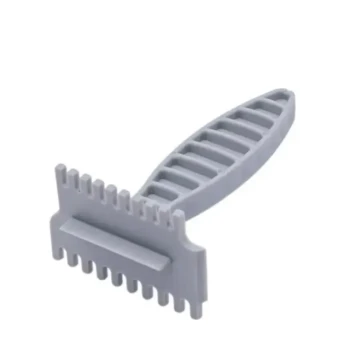
- Lightweight Durable Plastic Queen Excluder Scraper for Beekeeping
- Metal Queen Bee Excluder for Beekeeping
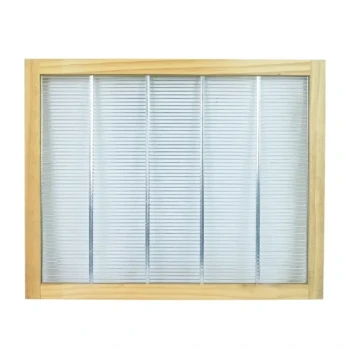
- Premium Wood Framed Metal Wire Queen Bee Excluder
People Also Ask
- What are the characteristics of a plastic queen excluder? Key Benefits for Cost-Effective Beekeeping
- What are the operational and cost advantages of using plastic queen excluders over metal or wire excluders in commercial hive management? Discover how they reduce labor, prevent wing damage, and lower total costs.
- What types of queen excluders are available for beekeepers? Choose the Right Tool for Your Hive
- Why are standardized hive frames and queen excluders essential for maintaining honey purity and quality? Scale Your Purity
- Do plastic queen excluders work? A Cost-Effective Solution for Modern Apiaries