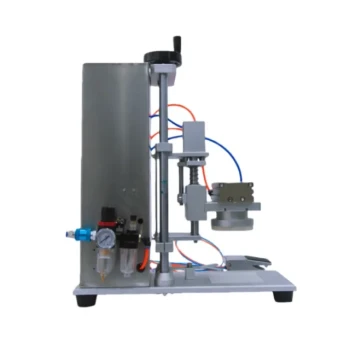
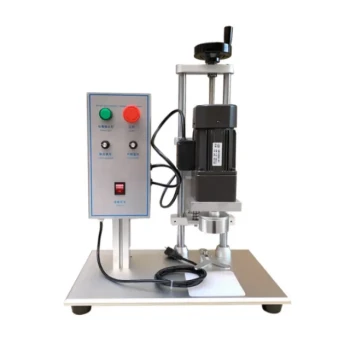
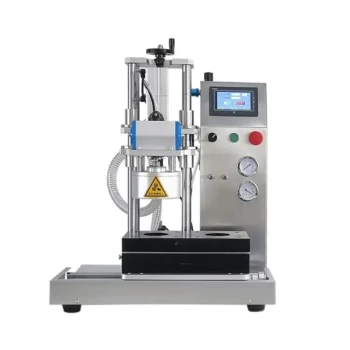
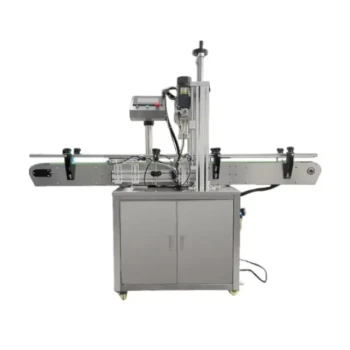
At its core, the function of a sealing machine is to apply a precise combination of heat and pressure to packaging materials. Its primary objective is to fuse materials together to create a secure, airtight closure that hermetically seals the container, effectively isolating the contents from the external environment.
The true value of a sealing machine extends beyond simple closure; it safeguards product integrity. By establishing a hermetic barrier, these machines are the critical link between manufacturing and consumption, ensuring freshness, safety, and stability.
The Mechanics of Protection
To understand the function of these machines, one must look at how they manipulate physical forces to create a barrier.
Applying Heat and Pressure
The fundamental operation involves thermal bonding. The machine applies controlled heat to the packaging material or a specific sealant layer.
Simultaneously, it exerts pressure to fuse the heated materials together. This combination creates a unified bond that is often stronger than the material itself.
Creating an Airtight Closure
The result of this process is an airtight seal. This is not merely about closing a lid; it is about eliminating gas exchange.
By preventing air from entering or escaping, the machine stabilizes the internal environment of the package.
Why the Seal Matters
The function of the machine serves several critical downstream needs, particularly in sensitive industries.
Maintaining Freshness
In the food industry, the sealing machine is the primary defense against spoilage.
By locking out moisture and oxygen, the seal significantly extends the shelf life of perishable goods. This ensures the product tastes as intended when it reaches the consumer.
Ensuring Safety and Hygiene
A secure seal creates a physical barrier against external contaminants.
This function is vital for preventing bacteria, dust, or chemicals from compromising the product. It guarantees that the contents remain pure and safe for consumption.
Advanced Functionality: Induction Sealing
While many machines use direct heat, specialized equipment known as induction sealing machines offers specific functional advantages for rigid containers.
Electromagnetic Bonding
Instead of hot plates, these machines use electromagnetic induction. This process heats a thin layer of foil or sealant material without direct contact.
This causes the foil to adhere securely to the rim of the container, creating a hermetic bond.
Tamper-Evidence and Leak Prevention
A key function of induction sealing is providing tamper-evidence. The foil seal acts as visible proof of the package's integrity.
Furthermore, this method is highly effective at preventing leakage, making it indispensable in the beverage and pharmaceutical industries where liquid containment is critical.
Understanding the Trade-offs
While sealing machines are essential, they are not universally interchangeable. Understanding their limitations is key to effective operation.
Parameter Precision
The "heat and pressure" function requires exact calibration. Too much heat can damage the packaging; too little results in a weak seal that compromises safety.
Material Compatibility
Machines are often designed for specific materials. An induction sealer requires a conductive foil liner, while a standard heat sealer requires thermoplastic materials. Using the wrong machine for a material will result in total functional failure.
Making the Right Choice for Your Goal
Selecting the right sealing functionality depends heavily on what you are trying to protect.
- If your primary focus is shelf-life extension: Prioritize machines that guarantee a hermetic, airtight seal to completely block oxygen and moisture transfer.
- If your primary focus is product security and transport: Utilize induction sealing technology to ensure leak-proof transport and provide visible tamper-evidence for the consumer.
The ultimate function of a sealing machine is to deliver peace of mind—assurance that the product inside the package is exactly as safe and fresh as the day it was made.
Summary Table:
| Feature | Functionality | Primary Benefit |
|---|---|---|
| Thermal Bonding | Applies controlled heat and pressure | Creates a permanent, airtight fuse |
| Gas Exchange Barrier | Eliminates oxygen and moisture transfer | Extends product shelf life significantly |
| Induction Sealing | Uses electromagnetic induction for foil seals | Provides leak prevention & tamper-evidence |
| Contaminant Shield | Forms a physical barrier against bacteria | Ensures high levels of hygiene and safety |
Elevate Your Packaging Standards with HONESTBEE
At HONESTBEE, we understand that for commercial apiaries and distributors, the integrity of your honey is your reputation. As a leading global supplier, we offer a comprehensive wholesale range of professional sealing machines and honey-filling machinery designed to deliver the perfect hermetic seal.
Whether you need robust industrial hardware or essential consumables, our solutions ensure your honey products remain fresh, leak-proof, and secure from hive to home.
Ready to optimize your production line?
Contact our expert team today to find the perfect equipment for your business!
Related Products
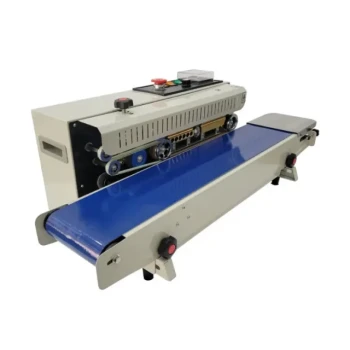
- Automatic Continuous Heat Sealing Machine
- Precision Automated Packaging Turntable Honey Spoon Filling Sealing Packing Machine
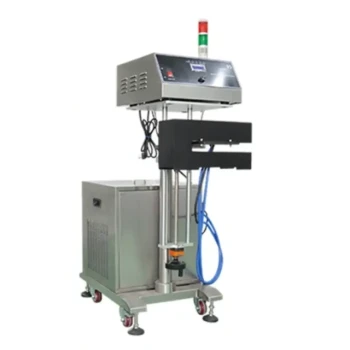
- Professional Water Cooled Induction Sealing Machine for Bottles and Containers
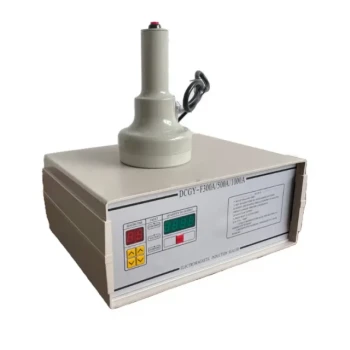
- Handheld Induction Sealing Machine for Tamper Evident Packaging
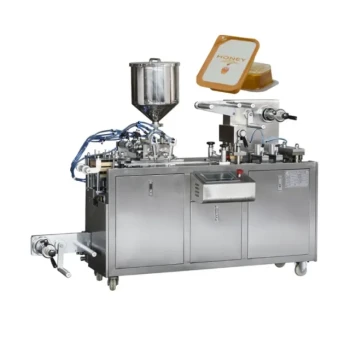
- Professional Durable Customizable Blister Packing Machine
People Also Ask
- How is a heat sealer used in the production of honey sticks? Master the Art of Leak-Proof Sealing
- What is a sealing machine called? Choose the Right Heat Sealer for Your Packaging
- How do I choose a heat sealer? A Guide to Matching the Right Machine to Your Needs
- What is the function of sealing machines? Ensure Product Integrity and Extend Shelf Life
- What is a sealing machine? Protect Your Product Quality and Brand Reputation