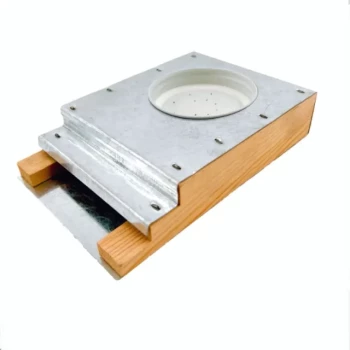
A specialized Bee Feeder functions as the metabolic engine for a colony during the delicate process of queen rearing. Its primary role is to provide a quantitative supply of artificial nutritional solutions, ensuring that the colony receives precise energy levels even when natural nectar sources are scarce. By design, these feeders prevent worker bees from drowning and protect the feed from external contaminants.
Core Takeaway: The specialized feeder is not just a container for syrup; it is a tool for physiological regulation. By guaranteeing a continuous energy supply, it directly stimulates nurse bees to secrete royal jelly, ensuring the uninterrupted and high-quality development of queen cells.
The Mechanics of Nutritional Continuity
Bridging the Gap During Scarcity
The success of queen rearing is heavily dependent on resource availability. A specialized feeder allows the beekeeper to intervene when natural nectar and pollen are insufficient.
It provides a steady, artificial source of nutrition, eliminating the "boom and bust" cycles of nature that can otherwise jeopardize the colony's focus on rearing a new queen.
Ensuring Safety and Sanitation
Standard containers can be death traps for bees. A specialized feeder is engineered specifically to prevent worker bees from drowning while they access the solution.
Furthermore, the design maintains the integrity of the feed. It keeps the solution clean and free from contaminants, which is essential for maintaining the overall health of the hive.
Impact on Colony Physiology
Fueling the Nurse Bees
The immediate beneficiaries of the feeder are the worker bees responsible for nursing. The nutritional solution provides the raw energy they need to maintain their nursing motivation.
Without this consistent energy source, the drive to care for the developing queen cells can diminish, leading to abandoned or poorly developed cells.
Stimulating Royal Jelly Production
The deeper biological function of the feeder is to drive glandular development. The continuous intake of syrup or supplements stimulates the hypopharyngeal and mandibular glands in nurse bees.
This physiological activation ensures the bees secrete sufficient quantities of royal jelly. This substance is the critical building block for larval development and directly dictates the quality of the resulting queen.
Common Pitfalls and Trade-offs
The Risk of Non-Specialized Equipment
Using generic feeding vessels rather than specialized feeders introduces significant risks. The primary trade-off is often bee mortality due to drowning, which depletes the workforce needed to care for the queen cells.
The Cost of Inconsistency
If the feeder is allowed to run dry or is not refilled quantitatively, the colony's rearing drive can plummet immediately.
The specialized feeder requires active management; it is a tool for continuous provision. Intermittent feeding fails to stimulate the necessary gland development, resulting in lower royal jelly volume and inferior queens.
Making the Right Choice for Your Goal
To maximize the effectiveness of your queen rearing program, consider your specific objectives when utilizing this equipment:
- If your primary focus is Colony Motivation: Ensure the feeder provides a continuous, uninterrupted supply to keep the nursing drive high, especially during nectar dearths.
- If your primary focus is Queen Quality: Prioritize the consistency of the nutritional mix to maximize the secretion of royal jelly, which directly correlates to the physical development of the queen.
- If your primary focus is Hive Health: Rely on the specialized design features to prevent contamination and minimize worker bee mortality caused by drowning.
Ultimately, the specialized bee feeder transforms nutrition from a variable environmental factor into a controlled variable that guarantees the continuity of queen development.
Summary Table:
| Feature | Function in Queen Rearing | Impact on Colony Health |
|---|---|---|
| Quantitative Supply | Bridges nectar gaps with precise energy | Maintains nursing motivation and drive |
| Anti-Drowning Design | Protects the workforce population | Minimizes bee mortality during feeding |
| Sanitation Shield | Prevents feed contamination | Ensures high-quality larval nutrition |
| Glandular Stimulation | Triggers hypopharyngeal glands | Maximizes secretion of premium royal jelly |
Elevate Your Queen Rearing Success with HONESTBEE
At HONESTBEE, we understand that precision is the difference between a failing colony and a thriving commercial apiary. Our specialized bee feeders are engineered to deliver the exact nutritional continuity required for high-volume royal jelly production and superior queen development.
Whether you are a professional distributor or managing a commercial-scale operation, we provide the full spectrum of beekeeping tools—from precision feeders and hive-making machinery to honey-filling systems. Empower your apiary with durable, industry-grade equipment designed for efficiency.
Contact HONESTBEE Today for Wholesale Solutions
References
- Joice J.I. Rompas, R. T.D. Maramis. PENGGUNAAN METODE QUEEN REARING TERHADAP PEMBENTUKAN SEL RATU APIS MELLIFERA UNTUK PENGEMBANGAN PERLEBAHAN. DOI: 10.35792/zot.35.2.2015.8347
This article is also based on technical information from HonestBee Knowledge Base .
Related Products
- Rapid Bee Feeder White Plastic 2L Round Top Feeder for 8 or 10-Frame Bee Hives
- HONESTBEE Entrance Bee Feeder Professional Hive Nutrition Solution for Beekeeping
- White Plastic 0.5L Beekeeping Entrance Feeder for Bees
- HONESTBEE Entrance Bee Feeder Efficient Hive Front Liquid Feeding Solution for Beekeeping
- HONESTBEE Professional Entrance Bee Feeder Hive Nutrition Solution
People Also Ask
- What should be done with feeders and equipment after feeding bees? Essential Steps for Apiary Health
- What should be done if feed in a feeder is not consumed by the bees? Prevent Hive Mold with Prompt Feed Management
- What is the necessity of specialized internal or entrance feeders? Secure Your Hive with Professional Feeding Tools
- How do bee feeders work to preserve colony health during nectar shortages? Essential Guide for Beekeepers
- How quickly does a medium to strong colony usually empty a feeder? A Beekeeper's Guide to Hive Health