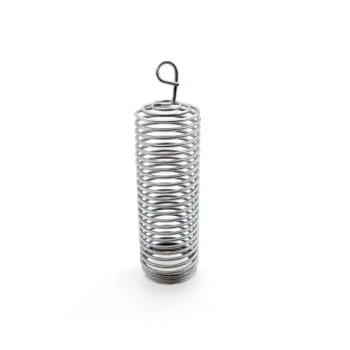
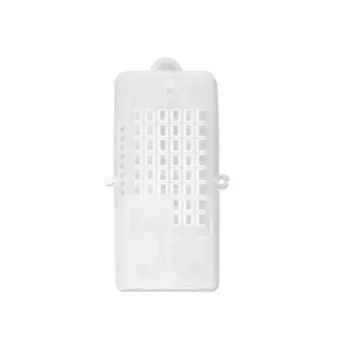
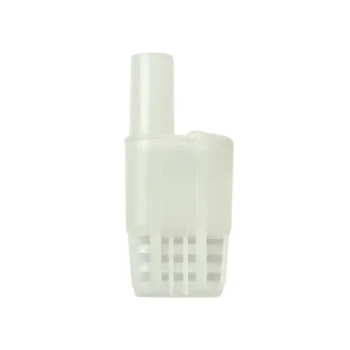
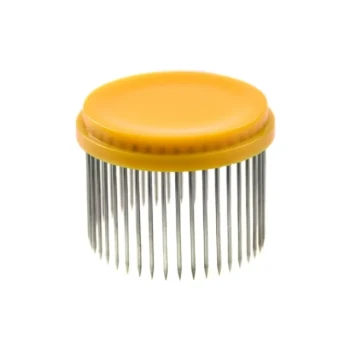
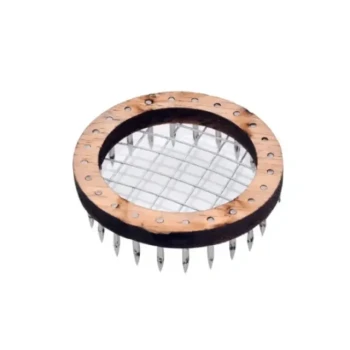
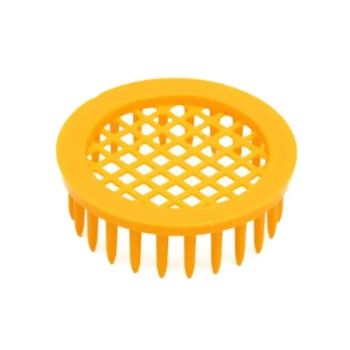
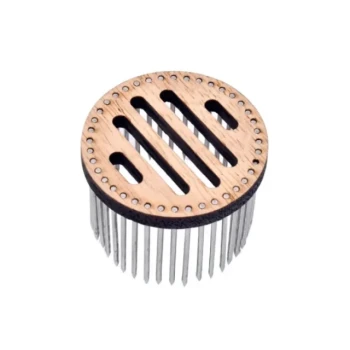
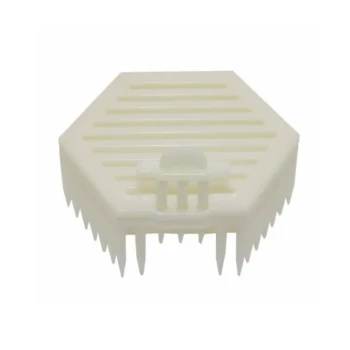
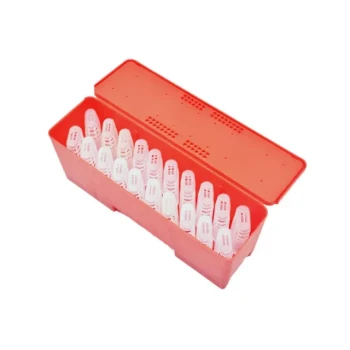
A specialized queen cage functions as a strategic control device designed to artificially induce a broodless period within a honeybee colony. By confining the queen and temporarily halting her egg-laying activity, the cage interrupts the reproductive cycle of the Varroa destructor mite, forcing the parasites out of sealed brood cells and onto adult bees where they are fully exposed to treatment.
Core Takeaway: Varroa mites are most difficult to kill when hidden inside capped brood cells. The queen cage solves this by creating a specific window of time where no brood exists, rendering 100% of the mite population vulnerable to subsequent organic or chemical treatments.
The Mechanics of Brood Interruption
Inducing a Broodless State
The primary function of the cage within Integrated Pest Management (IPM) is to restrict the queen's movement for a specific duration, often up to 25 days. While the queen remains safe within the cage, she is physically prevented from laying eggs in the comb.
Breaking the Mite Life Cycle
Varroa mites rely on sealed brood cells to reproduce. By halting egg-laying, the colony eventually enters a state where all existing brood has hatched, and no new brood has been capped. This eliminates the "safe harbor" mites use to breed and hide.
Forcing the Phoretic Stage
Without brood to inhabit, all mites in the colony are forced into the "phoretic" stage, meaning they must attach themselves to the bodies of adult bees. This transition is the critical turning point in this IPM strategy, as it moves the pest from a protected environment to an exposed one.
Enhancing Treatment Efficacy
Maximizing Chemical Impact
Once the mites are exposed on adult bees, the efficiency of miticides increases significantly. Treatments that might have only affected a small percentage of mites (those outside the cells) now target the entire population.
Facilitating Organic Controls
This technique is particularly valuable when using organic acids, such as oxalic or formic acid. By pairing a queen cage with these treatments, beekeepers can achieve high kill rates without relying on high-residue synthetic miticides.
Understanding the Trade-offs
Colony Population Impact
Restricting the queen means the colony will not produce new bees for the duration of the confinement. Beekeepers must time this process carefully to ensure the colony remains strong enough to forage or overwinter despite the temporary pause in population growth.
Management Intensity
Unlike passive chemical strips, this method requires active management. The beekeeper must locate the queen, safely cage her, and return on a precise schedule to release her and apply treatment, increasing the labor required per hive.
Making the Right Choice for Your Goal
When deciding whether to integrate queen caging into your IPM protocol, consider your specific management objectives:
- If your primary focus is maximizing organic treatment efficacy: Use the cage to force a broodless period before applying oxalic acid, ensuring near-total mite exposure.
- If your primary focus is reducing synthetic residues: Utilize this method to break the mite reproductive cycle mechanically, reducing the frequency and necessity of harsh chemical applications.
By manipulating the biological timeline of the colony, the queen cage transforms a defensive battle against pests into a controlled, highly effective elimination strategy.
Summary Table:
| IPM Component | Function in the Process | Impact on Varroa Destructor |
|---|---|---|
| Queen Confinement | Restricts egg-laying for up to 25 days | Halts the mite reproductive cycle |
| Brood Interruption | Eliminates sealed brood "safe harbors" | Forces mites into the phoretic stage on adult bees |
| Treatment Timing | Applied when the hive is broodless | Increases kill rate of organic/chemical miticides |
| Management Goal | Mechanical population control | Reduces reliance on high-residue synthetic chemicals |
Maximize Your Apiary Productivity with HONESTBEE
Elevate your Varroa management strategy with professional-grade tools designed for efficiency and results. HONESTBEE supports commercial apiaries and distributors with a complete wholesale catalog of beekeeping essentials. From specialized queen cages and hive hardware to advanced honey-filling machines and honey-themed cultural merchandise, we provide the specialized equipment you need to scale your operations.
Partner with the industry experts to secure high-quality consumables and machinery for your business.
Contact HONESTBEE Today for Wholesale Pricing
References
- Jernej Bubnič, Maja Ivana Smodiš Škerl. Integrated Pest Management Strategies to Control Varroa Mites and Their Effect on Viral Loads in Honey Bee Colonies. DOI: 10.3390/insects15020115
This article is also based on technical information from HonestBee Knowledge Base .
Related Products
- Durable Galvanized Steel Spring Queen Bee Cage
- Classic Wooden and Mesh California Queen Cage
- Professional Queen Bee Introduction and Transport Cage
- Professional Queen Cage with Sliding Gate and Feeder Plug
- Professional Multi-Compartment Queen Cage with Sliding Lid
People Also Ask
- Why are specialized queen bee cages used for the banking of mated queen bees? Maximize Commercial Apiary Storage Efficiency
- What is the mechanism of action for using temporary queen bee cages? Master Successful Queen Introduction
- What is the step-by-step process for installing a queen bee's cage onto a frame? Ensure Hive Acceptance Safely
- What is the optimal placement for a queen bee cage? Essential Strategies for Successful Re-queening
- What are the advantages and disadvantages of introducing a queen bee by embedding the cage? Boost Your Queen Acceptance