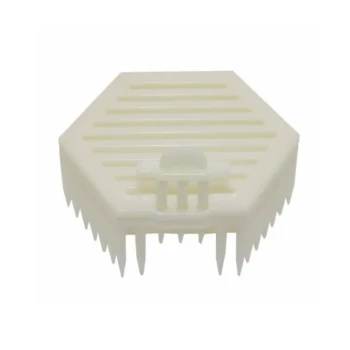
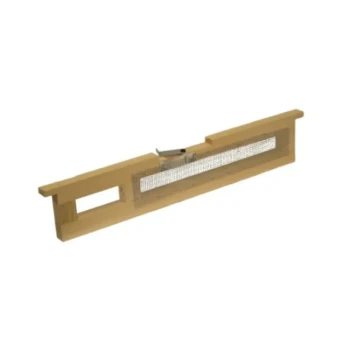
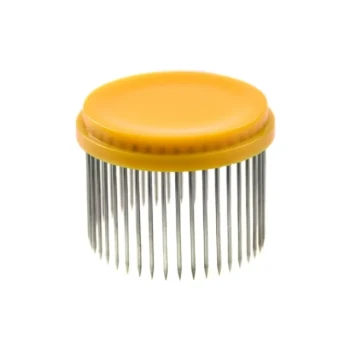
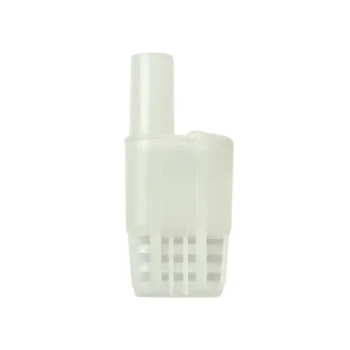
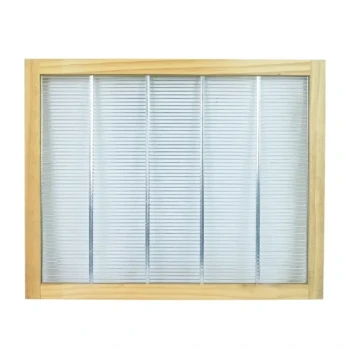
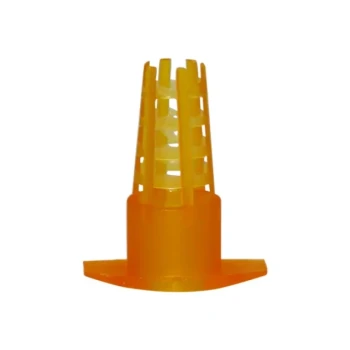
The standard wooden shipping cage functions as both a hardened transport vessel and a controlled socialization interface. It primarily shields the queen bee from mechanical injury during transit and serves as a temporary defensive barrier within the hive, protecting her from lethal worker aggression while permitting the essential pheromone exchange required for colony acceptance.
Core Insight: The cage is not merely a box; it is a biological filter. Its specific design creates a "safe zone" that forces the colony to interact with the queen chemically and socially (via scent and antennal touch) before they can interact with her physically, preventing the instinctive rejection that would otherwise lead to her death.
The Mechanics of Protection
Shielding from Physical Trauma
The primary function of the wooden cage during the logistical phase is to prevent mechanical damage. Whether in transit or being handled by a beekeeper, the rigid wooden structure ensures the queen is not crushed, compressed, or injured by external impacts.
The Aggression Barrier
When introduced to a new colony, a queen is viewed as a foreign invader. The cage acts as a physical wall that prevents "balling"—a behavior where worker bees swarm and overheat or sting a new queen to death. By isolating the queen, the cage ensures she survives the initial period of hostility.
Facilitating Colony Integration
Controlled Scent Exchange
The structure of the cage, particularly the screen or mesh components, facilitates the gradual release of the queen's pheromones into the hive. This "scent exchange" is the primary mechanism by which the colony's chemical signature aligns with the new queen, transitioning her status from intruder to resident.
Regulated Antennal Contact
The cage allows for limited physical interaction through the mesh or bars. Worker bees can perform antennal contact—a critical mode of bee communication—without having the physical access required to sting or harm the queen. This safe-distance socialization is essential for the colony to recognize and accept her.
Supporting Physiological Stability
Environmental Regulation via Attendants
While the cage limits the queen's movement, it often houses attendant bees alongside her. These attendants are crucial for maintaining the queen's physiological homeostasis during transport, performing tasks such as cleaning and thermal regulation that the queen cannot perform alone.
Sustenance and Ventilation
The cage design facilitates feeding interactions. During the introduction phase, hive workers can feed the queen through the cage bars or mesh. Additionally, the structure provides necessary ventilation to prevent suffocation and manage humidity levels within the micro-environment of the cage.
Understanding the Trade-offs
The Restriction of Movement
While necessary for protection, the cage severely restricts the queen's movement and stops egg-laying immediately. This interruption in reproductive activity is a calculated trade-off to ensure survival, but prolonged confinement can induce stress.
Dependence on External Acceptance
The cage provides safety, but it cannot force acceptance. It creates a delay that gives the colony time to acclimate. If the colony is aggressive or if the cage is released too early (before the scent exchange is complete), the protective function of the cage is nullified the moment the queen exits.
Making the Right Choice for Your Goal
When utilizing shipping cages, consider the specific phase of your operation:
- If your primary focus is Transport: Ensure the cage contains healthy attendant bees to manage the queen's temperature and nutrition during transit.
- If your primary focus is Introduction: Verify that the mesh or screen is intact to permit maximum scent exchange while strictly preventing direct physical access by the hive's workers.
The wooden shipping cage is the industry standard because it effectively balances the queen's immediate physical safety with the colony's need for gradual chemical acclimation.
Summary Table:
| Function | Description | Primary Benefit |
|---|---|---|
| Physical Shielding | Rigid wooden structure | Prevents crushing and mechanical injury during transit |
| Aggression Barrier | Mesh/Screen wall | Protects the queen from worker "balling" and lethal stings |
| Pheromone Exchange | Controlled scent release | Allows the colony to acclimate to the new queen's scent |
| Social Interaction | Restricted contact | Permits antennal communication and feeding without physical risk |
Scale Your Apiary Operations with HONESTBEE
Ensure the success of your queen introductions and maximize honey production with professional-grade equipment. HONESTBEE specializes in serving commercial apiaries and distributors with a full spectrum of wholesale solutions. From durable queen-rearing tools to advanced hive-making and honey-filling machines, we provide the hardware and consumables your business depends on.
Ready to elevate your beekeeping business? Contact us today to explore our comprehensive inventory and see how our tailored offerings can drive your growth.
References
- Gloria DeGrandi‐Hoffman, Judith Hooper. The influence of season and volatile compounds on the acceptance of introduced European honey bee (<i>Apis mellifera</i>) Queens into European and Africanized colonies. DOI: 10.1051/apido:2007003
This article is also based on technical information from HonestBee Knowledge Base .
Related Products
- Wood and Mesh Push-In Queen Cage
- Classic Wooden and Mesh California Queen Cage
- Premium Wood and Steel Push In Queen Cage
- Hexagonal Direct Comb Introduction Queen Bee Cage
- Professional Queen Bee Introduction and Transport Cage
People Also Ask
- When is a queen introduced with a push-in cage ready for full release? Key Signs for Maximum Colony Acceptance
- How are queen cages used to protect newly hatched queens? Secure Your Virgin Queens During Development
- Why are queen cages or grid cages used in bee studies? Achieve Precise Biological Data for Research
- What advantages do push-in queen cages offer? Boost Acceptance Rates for Artificially Inseminated Queens
- What is a push-in queen cage and how does it differ from a standard queen cage? Boosting Your Queen Acceptance Rates