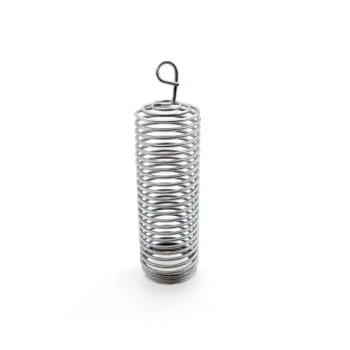
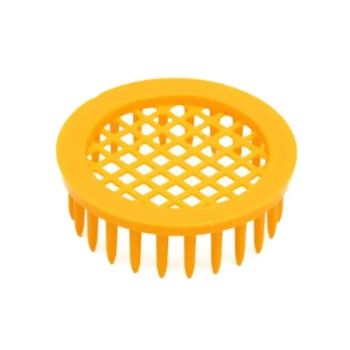
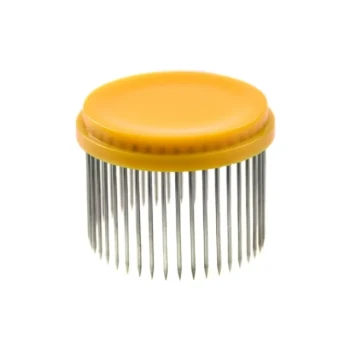
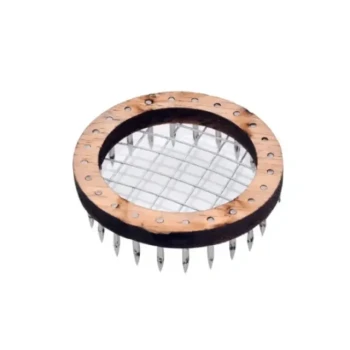
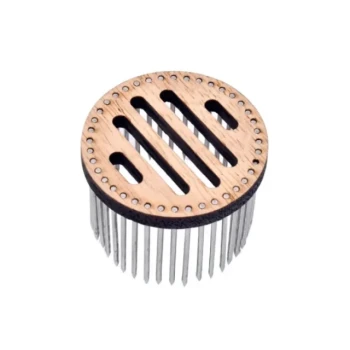
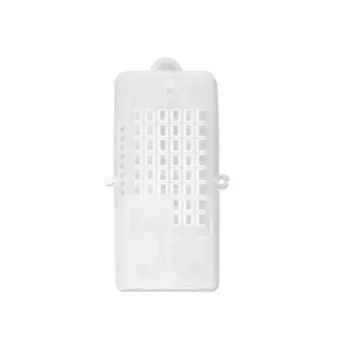
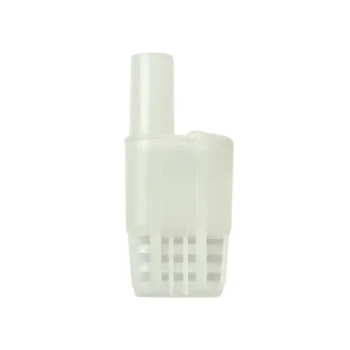
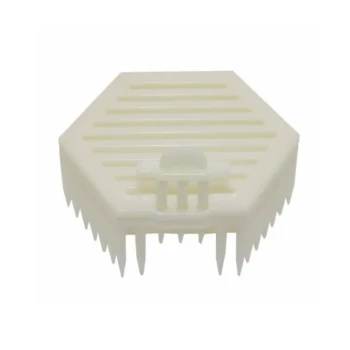
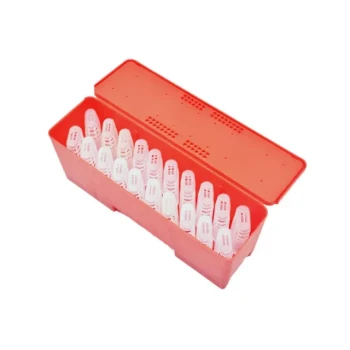
The primary function of a temporary queen cage during colony expansion is to serve as a protective isolation chamber for the queen bee. It physically detains the original queen to prevent accidental crushing, injury, or loss while the beekeeper moves frames, shakes off worker bees, or reconfigures the hive structure.
During the chaotic process of splitting a hive, the queen cage acts as an insurance policy for the colony's future. It safeguards the queen from physical harm during manipulation and helps stabilize the colony's social order by maintaining pheromone consistency without direct physical contact.
Protecting the Queen During Manipulation
Preventing Mechanical Injury
The process of expanding or splitting a colony requires significant physical intervention. Frames are often removed, inspected, and transferred between boxes. By isolating the queen in a cage, you eliminate the risk of accidentally crushing her between heavy frames or injuring her with hive tools.
Avoiding Accidental Loss
Splitting often involves shaking frames to dislodge worker bees. Without confinement, the queen could easily fall into tall grass or fly away in confusion. A temporary cage ensures she remains in a known, secure location throughout the operation, guaranteeing the continuity of the mother colony.
Ensuring Successful Colony Transition
Managing Worker Aggression
When a colony is split, the social dynamics shift abruptly. If you are introducing a new queen to a split rather than moving the old one, the cage serves as a critical buffer. It prevents the existing worker bees—who may perceive a new queen as an intruder—from "balling" (attacking and overheating) her immediately.
Facilitating Pheromone Acceptance
For both original and new queens, the cage allows for a controlled adjustment period. The mesh or openings allow the queen's pheromones to diffuse slowly through the hive. This gradual exposure signals her presence to the workers, helping to establish or restore the social hierarchy before she is fully released.
Controlled Release Mechanisms
Many queen cages utilize a "candy plug" as a timing device. Worker bees must eat through this sugar barrier to release the queen, a process that typically takes 1 to 2 days. This automatic delay ensures the queen is only released once the colony has had sufficient time to accept her scent and reduce aggression.
Understanding the Trade-offs
Disruption of Laying Patterns
While necessary for safety, caging the queen temporarily halts egg production. In a rapid expansion phase, even a short pause in laying can have a marginal impact on population momentum. Efficiency is key; the queen should not be caged longer than necessary for the specific operation.
Potential for Stress
Confinement is unnatural for a queen used to roaming the brood nest. If the cage is placed improperly—such as away from nurse bees or in direct sunlight—the queen can suffer from temperature stress or dehydration. Proper placement within the cluster of worker bees is vital for her survival during confinement.
Making the Right Choice for Your Goal
To maximize the effectiveness of your colony management, apply the tool according to your specific objective:
- If your primary focus is preserving the original queen: Use the cage strictly for detention during physical manipulation (moving frames/shaking bees) and release her immediately once the hive is reassembled to minimize stress.
- If your primary focus is introducing a new queen: Utilize a cage with a candy plug to enforce a 1-2 day buffer period, allowing pheromones to stabilize and preventing rejection by the workers.
By viewing the temporary queen cage as a precision tool for risk management rather than just a container, you ensure the stability and long-term reproductive success of your apiary.
Summary Table:
| Feature | Function in Colony Expansion | Key Benefit |
|---|---|---|
| Physical Isolation | Prevents crushing during frame manipulation | Ensures queen's physical safety |
| Secure Containment | Keeps queen in a known location while shaking bees | Prevents accidental loss or flight |
| Pheromone Buffer | Gradual diffusion of queen's scent through mesh | Facilitates worker acceptance |
| Timed Release | Uses candy plugs for delayed entry | Reduces risk of worker aggression |
| Stress Management | Proper placement within the bee cluster | Maintains queen health during transition |
Scale Your Apiary Operations with HONESTBEE
Managing hive splits and colony expansion requires precision tools that guarantee the safety of your queens and the productivity of your workers. HONESTBEE specializes in supporting commercial apiaries and distributors with a comprehensive wholesale range of professional-grade beekeeping equipment.
From durable queen cages and hive-making machinery to advanced honey-filling systems and essential consumables, we provide everything you need to optimize your operation. Whether you are expanding your own colonies or supplying the industry with premium hardware and cultural merchandise, we deliver the quality you deserve.
Ready to upgrade your equipment? Contact us today to explore our wholesale catalog!
References
- Ségolène Maucourt, Pierre Giovenazzo. Comparison of three methods to multiply honey bee (Apis mellifera) colonies. DOI: 10.1007/s13592-017-0556-9
This article is also based on technical information from HonestBee Knowledge Base .
Related Products
- Professional Queen Bee Introduction and Transport Cage
- Durable Galvanized Steel Spring Queen Bee Cage
- Professional Queen Cage with Sliding Gate and Feeder Plug
- Durable Plastic Push In Queen Bee Cage
- Professional Multi-Compartment Queen Cage with Sliding Lid
People Also Ask
- Why are specialized queen bee cages used for the banking of mated queen bees? Maximize Commercial Apiary Storage Efficiency
- What is the mechanism of action for using temporary queen bee cages? Master Successful Queen Introduction
- How is a queen bee released from a queen cage? Ensure Safe Colony Integration & Hive Success
- What materials are required to install a queen bee's cage into a hive? Essential Tools for Successful Queen Integration
- How long should a queen bee stay in the cage before being released? Ensure a Successful Introduction