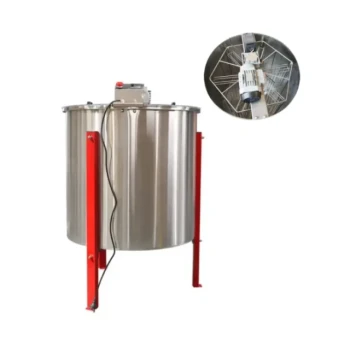
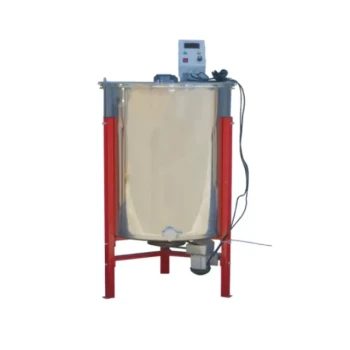
An industrial electric grinder functions as the primary mechanical processing agent in the production of botanical beekeeping treatments. Its specific role is to macerate and pulverize raw plant materials, such as Neem and Jatropha leaves, to prepare them for the extraction of medicinal compounds.
The core purpose of this equipment is to apply mechanical shear force to break down plant tissues. By destroying cell walls and increasing surface area, the grinder ensures the efficient release of bioactive antimicrobial compounds during subsequent fermentation or aqueous extraction processes.
The Mechanics of Extraction
Applying Mechanical Shear Force
The grinder utilizes high-speed mechanical action to apply shear force to raw botanical materials.
This force is necessary to physically disrupt the structural integrity of tough plant tissues, such as leaves and rhizomes.
Increasing Surface Area
The primary physical outcome of this pulverization is a massive increase in the surface area of the raw material.
By reducing leaves and stems to fine particles, the grinder exposes more of the plant's internal structure to the solvent or fermentation medium.
This exposure is the fundamental requirement for an efficient extraction process, allowing chemical reactions to occur more rapidly and completely.
Biological Impact on Raw Materials
Breaking Down Cellular Barriers
To access the medicinal properties of plants like Neem, processing must go beyond simple chopping.
High-speed grinding destroys the cell walls of the plant material.
This destruction is critical because the active antimicrobial components are often trapped inside the cells; breaking the walls releases them into the mixture.
Releasing Active Ingredients
Once the cellular structure is compromised, bioactive compounds are fully released into the aqueous phase (water) or fermentation mix.
This results in a solution with a high concentration of active ingredients, rather than a mixture where the medicine remains locked inside the plant fiber.
Understanding Process Dependencies
The Necessity of Uniformity
Using an industrial grinder creates a homogenized, uniform solution rather than a mixture of liquid and large chunks.
A uniform suspension ensures that the concentration of active ingredients is consistent throughout the entire batch.
This consistency allows for precise dosing when treating hive diseases, ensuring every application has the intended potency.
Risks of Insufficient Processing
If the raw material is not sufficiently pulverized, the solvent cannot penetrate the plant tissue effectively.
This leads to "blind spots" in the extraction where bioactive compounds remain trapped and wasted.
Consequently, the final treatment may lack the potency required to manage pests or diseases effectively, regardless of the quality of the raw leaves.
Making the Right Choice for Your Goal
To maximize the efficacy of your botanical extracts, consider how the physical processing aligns with your biological targets:
- If your primary focus is maximum potency: Prioritize equipment that delivers high shear force to ensure the complete destruction of cell walls and total release of antimicrobials.
- If your primary focus is process efficiency: Ensure the grinder sufficiently pulverizes material to maximize surface area, which directly accelerates the fermentation or extraction timeline.
The success of a botanical treatment is determined not just by the plant species selected, but by how effectively you can mechanically unlock its chemical properties.
Summary Table:
| Process Phase | Function of Industrial Grinder | Outcome for Botanical Treatment |
|---|---|---|
| Mechanical Processing | Applies high-speed shear force | Physical disruption of tough plant tissues and rhizomes |
| Surface Area Optimization | Pulverizes material into fine particles | Maximum exposure to solvents for faster extraction |
| Cellular Breakdown | Destroys plant cell walls | Release of trapped antimicrobial and bioactive compounds |
| Homogenization | Creates a uniform suspension | Consistent concentration for precise disease dosing |
| Extraction Efficiency | Eliminates "blind spots" in tissue | Total recovery of medicinal properties from raw leaves |
Maximize Your Apiary’s Health with HONESTBEE Professional Solutions
At HONESTBEE, we understand that effective disease management starts with precision processing. We specialize in supporting commercial apiaries and distributors with a comprehensive wholesale range of high-performance beekeeping machinery, honey-filling equipment, and specialized hive-making tools.
Whether you are producing botanical treatments at scale or seeking the latest in honey-themed cultural merchandise, our portfolio is designed to enhance your operational efficiency and product potency. Unlock the full potential of your botanical extractions and streamline your beekeeping operations—contact our expert team today to discuss our wholesale machinery and supply solutions!
References
- Ruchira Tiwari, Brijesh Bisht. Efficacy of animal origin products and ajwain powder against honey bee diseases in Apis mellifera (Linnaeus) colonies in Uttarakhand-A novel eco-friendly approach. DOI: 10.31018/jans.v6i1.377
This article is also based on technical information from HonestBee Knowledge Base .
Related Products
- Electric Commercial Beeswax Melter for Factory Use
- Electric Beeswax Flat Sheet Machine with Operating Tray for Wax Processing
- HONESTBEE professional Efficient Beekeeping Tool: Electric Spur Wheel Wire Embedder
- High Performance Cordless Electric Bee Shaker for Beekeeping
- Commercial Electric 12 Frame Honey Extractor Spinner Motorized Honey Extractor
People Also Ask
- Why might a commercial beekeeper prefer an electric beeswax melter? Maximize Profit with Speed & Scale
- What safety precautions should be taken when melting beeswax? A Guide to Flammable Wax Handling
- What types of beeswax melters are available for different scales of beekeeping? Solar vs. Electric Melters Compared
- What are the three popular methods for melting beeswax? Safely Process Your Wax with Ease
- How do you melt beeswax without making a mess? Master Safe & Clean Techniques