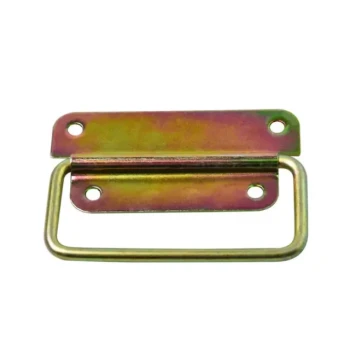
Customized hive mats function as a primary regulatory mechanism for the hive's internal environment. Placed directly above the frames, these mats serve a dual purpose: they retain essential heat within the brood chamber and physically prevent the colony from constructing unwanted burr comb between the frames and the hive lid.
Core Takeaway While migratory beekeeping exposes colonies to fluctuating climates and stress, customized hive mats stabilize the thermal microclimate necessary for brood rearing. Simultaneously, they reduce structural maintenance issues, allowing for faster, less invasive inspections.
Regulating the Brood Microclimate
Thermal Retention
The primary biological function of the hive mat is heat conservation.
Migratory colonies are frequently moved across different climatic zones.
The mat acts as an insulation layer, trapping heat generated by the bees within the brood chamber to ensure the stable temperatures required for successful brood rearing.
Buffering Environmental Stress
Migratory beekeeping involves exposing hives to rapidly changing external environments.
By maintaining a constant internal thermal environment, the mat helps the colony adapt to these shifts without suspending brood production.
This thermal consistency is a prerequisite for maintaining colony population levels during long nectar collection periods.
Enhancing Operational Efficiency
Prevention of Burr Comb
Without a mat, bees often bridge the gap between the top of the frames and the hive lid with excess wax, known as burr comb.
The mat occupies this void, physically blocking the bees from building these structures.
Reducing Inspection Disturbance
Burr comb connects frames to the lid, requiring force to break the seal during inspections.
By eliminating this wax buildup, beekeepers can open hives with minimal vibration and noise.
This reduction in physical disturbance lowers the stress levels of the colony, which is critical for maintaining health during high-tempo migratory operations.
Understanding the Trade-offs
Heat Retention vs. Ventilation Risks
While hive mats are excellent for retaining heat, migratory operations often face the opposite problem: heat stress during transport.
Supplementary equipment like ventilated hive covers is specifically designed to reduce mortality caused by overheating.
Therefore, the use of heat-retaining mats must be balanced against the need for airflow; using a mat during high-heat transport legs without adequate ventilation could counter the benefits of specialized transport covers.
Making the Right Choice for Your Goal
To maximize the utility of customized hive mats in your migratory operation, consider the following:
- If your primary focus is brood stability: Prioritize the use of mats during cooler climate transitions to prevent thermal shock and maintain rearing consistency.
- If your primary focus is operational speed: Utilize mats to eliminate burr comb, ensuring that routine inspections are fast, clean, and less disruptive to the colony.
Strategic use of hive mats turns the variable chaos of migration into a controlled, stable environment for your bees.
Summary Table:
| Feature | Biological/Operational Function | Impact on Colony Health |
|---|---|---|
| Thermal Insulation | Retains heat within the brood chamber | Stabilizes brood rearing during climate shifts |
| Space Management | Physically blocks construction of burr comb | Reduces stress and physical disturbance during inspections |
| Environmental Buffer | Mitigates external temperature fluctuations | Prevents population loss during migratory transport |
| Operational Speed | Eliminates wax bridges between lid and frames | Enables faster, cleaner, and less invasive hive management |
Scale Your Apiary with Professional-Grade Solutions
Maximize your colony productivity and streamline your operations with HONESTBEE. As a premier partner for commercial apiaries and distributors, we provide a comprehensive wholesale catalog designed to meet the rigorous demands of large-scale beekeeping.
From customized hive mats and essential industry consumables to advanced hive-making and honey-filling machinery, our portfolio offers the tools you need to succeed. Whether you are looking for specialized hardware or honey-themed cultural merchandise to expand your brand, we deliver the quality and reliability your business deserves.
Contact HONESTBEE today to optimize your wholesale supply chain!
References
- Daniel Leonard Rankin Cook, Caroline Hauxwell. Perspectives on Pollination. DOI: 10.2139/ssrn.3964582
This article is also based on technical information from HonestBee Knowledge Base .
Related Products
- Langstroth Solid Bottom Board for Beekeeping
- Professional Galvanized Steel Frame Rest for Beehives
- Solid Bottom Board Australian Pine Wood Langstroth Bottom Board for Wholesale
- Wooden Bee Hive Frames for Beekeeping and Wholesale
- Plastic Bee Frame Beekeeping Hive Frames for Wholesale
People Also Ask
- What are the functions of solid bottom boards for a beehive? Essential Thermal Protection and Winter Survival Tips
- What is the purpose of a solid bottom board for bee hives? Enhance Hive Health and Winter Survival
- How does climate influence the choice between a solid and screened bottom board? Optimize Your Hive for Local Weather
- What is the primary function of a bottom board in a modern modified beehive system? Essential Foundation Guide
- What are the characteristics of a solid bottom board for a beehive? Boost Colony Health and Thermal Insulation