The primary function of a frame in a Langstroth hive is to act as a modular skeleton that dictates where and how bees build their honeycomb. These rectangular structures, typically fitted with a wax or plastic foundation, guide the bees to build comb within the frame's boundaries rather than filling the open hive cavity with random, immovable structures. This containment is the key mechanism that allows a beekeeper to interact with the colony without destroying it.
By imposing order on natural comb construction, frames convert the hive into a "filing cabinet" system, allowing individual sheets of comb to be inspected, moved, or harvested independently.
The Principle of Guided Construction
The Role of Foundation
Bees have a natural instinct to fill available space with honeycomb. In a Langstroth frame, a foundation (usually wax or plastic) is inserted to hijack this instinct.
This foundation provides a template that compels the bees to build their cells within the wooden or plastic borders of the frame.
Preventing "Burr Comb"
Without the guidance of the frame and its foundation, bees would build "burr comb." This is irregular honeycomb that bridges gaps between hive bodies or connects walls together.
By forcing bees to build inside the frame, you prevent the colony from fusing the hive components into a single, unmanageable block.
Facilitating Hive Management
Non-Destructive Inspection
The most critical advantage of the frame system is the ability to remove individual components. Beekeepers can lift a single frame to inspect brood patterns, check for the queen, or assess honey stores.
This allows for detailed health checks without cutting through comb or severely disrupting the colony structure.
Volume and Resource Control
Frames allow the hive to be scalable. Beekeepers can add frames to provide additional building space when the colony grows or when nectar flow is high.
Conversely, frames can be removed. As noted in standard management practices, removing specific frames can open up space to significantly improve airflow and ventilation within the hive.
Frame Anatomy and Standardization
Standardized Components
A typical frame is a rectangle composed of a top bar, a bottom bar, and two end bars. This assembly is designed to hold the foundation secure and maintain the correct "bee space" between adjacent frames.
Zoning the Hive
Frames come in different depths—deep, medium, and shallow—to serve specific functions. Deep frames are generally used in the lower boxes for brood rearing, while shallower frames are used in upper "supers" for honey storage, managing the weight the beekeeper must lift.
Understanding the Trade-offs
Dependence on Foundation Quality
While frames provide structure, they rely heavily on the bees accepting the foundation. If the foundation is old, contaminated, or improperly waxed, bees may build erratic comb off the face of the foundation, defeating the purpose of the frame.
Maintenance Requirements
Frames are not maintenance-free tools. Wooden frames require assembly and can degrade over time, while the comb within them eventually darkens with use and may absorb environmental toxins, requiring rotation or replacement to maintain colony health.
Making the Right Choice for Your Goal
To effectively utilize frames in your apiary management, consider these operational priorities:
- If your primary focus is Colony Health: Regularly inspect individual frames to monitor the brood pattern and queen activity without dismantling the entire nest.
- If your primary focus is Honey Production: Utilize medium or shallow frames in your upper supers to maximize honey storage while keeping the boxes light enough to lift.
- If your primary focus is Environmental Control: Don't hesitate to remove excess frames to reduce congestion and increase airflow during periods of high heat or humidity.
Frames are the interface between the wild nature of the bee and the stewardship of the beekeeper.
Summary Table:
| Feature | Primary Function | Benefit to Beekeeper |
|---|---|---|
| Guided Foundation | Directs bees to build within frame borders | Prevents unmanageable "burr comb" and hive fusion |
| Modular Design | Acts like a "filing cabinet" for comb sheets | Allows individual inspection of brood and honey stores |
| Standardized Sizes | Zoning for deep, medium, or shallow boxes | Optimizes weight for lifting and separates brood from honey |
| Scalability | Add or remove frames based on colony growth | Facilitates volume control and improves hive ventilation |
Elevate Your Apiary with HONESTBEE Precision Equipment
At HONESTBEE, we understand that high-quality frames are the backbone of a successful commercial operation. We cater to commercial apiaries and distributors by providing a comprehensive wholesale range of beekeeping essentials.
From durable frames and foundations to advanced hive-making and honey-filling machinery, our portfolio is designed to maximize your efficiency and output. Whether you are scaling your honey production or stocking specialized hardware and cultural merchandise, our team is ready to support your business growth.
Ready to optimize your wholesale supply chain?
Contact HONESTBEE Today to discuss how our professional-grade tools and consumables can benefit your apiary.
Related Products
- JZBZ Langstroth Queen Rearing Frame for Beekeeping
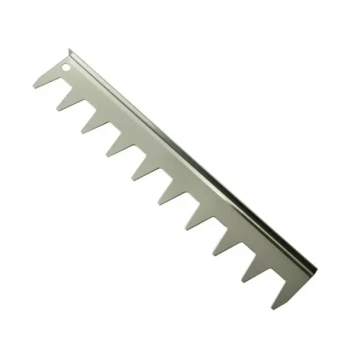
- Stainless Steel 9 Frame Hive Spacer Durable Precise for Commercial Beekeeping
- Wooden Bee Hive Frames for Beekeeping and Wholesale
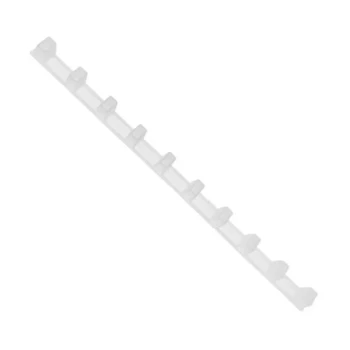
- Durable Plastic Frame Spacer
- Langstroth Honey Bee Box Hive Boxes for Different Depths
People Also Ask
- Why use finishing colonies for queen cell capping? Secrets to Superior Queen Quality and Performance
- How do queen rearing frames and grafting needles function together? Master the Doolittle Method for High-Quality Queens
- What is the purpose of queen rearing frames? Master Controlled Queen Production for Your Apiary
- What are the functions of queen rearing frames and artificial queen cells? Master Bee Genetic Improvement
- What roles do professional queen rearing frames and artificial queen cells play? Scaling Your Queen Bee Production